wall cross-section
the most common
«The sweating house»
Condensation
Black mould spots in the upper corners and behind furniture. Droplets on the windows in the morning. Worse in winter and at night.
Airing: €20–300Learn more →
You cleaned it with bleach. Painted over it. Bought moisture absorbers. If you don't know which kind of damp you have, you're treating the symptom — and the stain always comes back. Find the cause in 3 minutes, before someone sells you thousands of euros of building work.
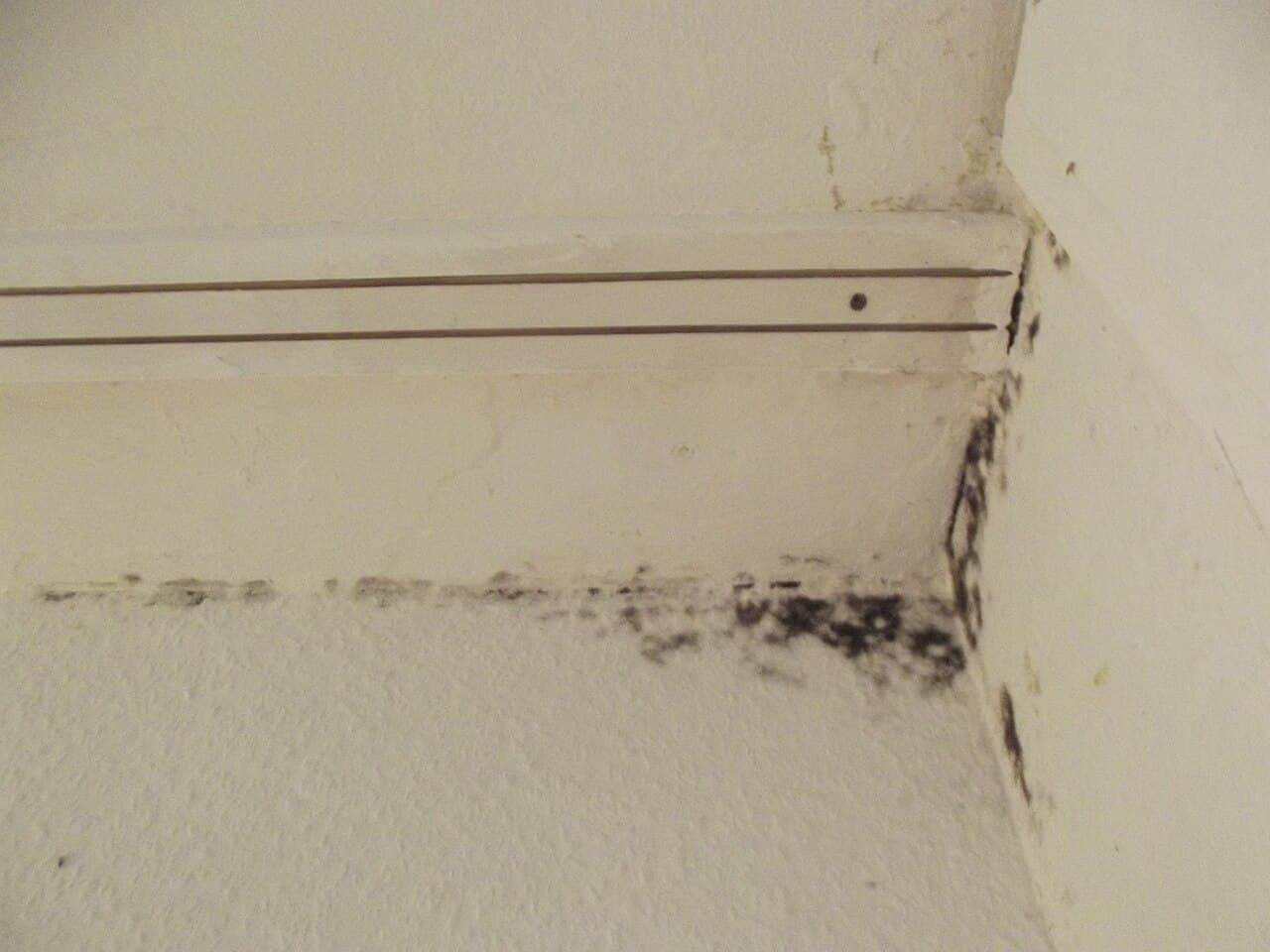 Foto: NordhornerII · Wikimedia Commons
Tap the ones that apply to your home. (be honest…)
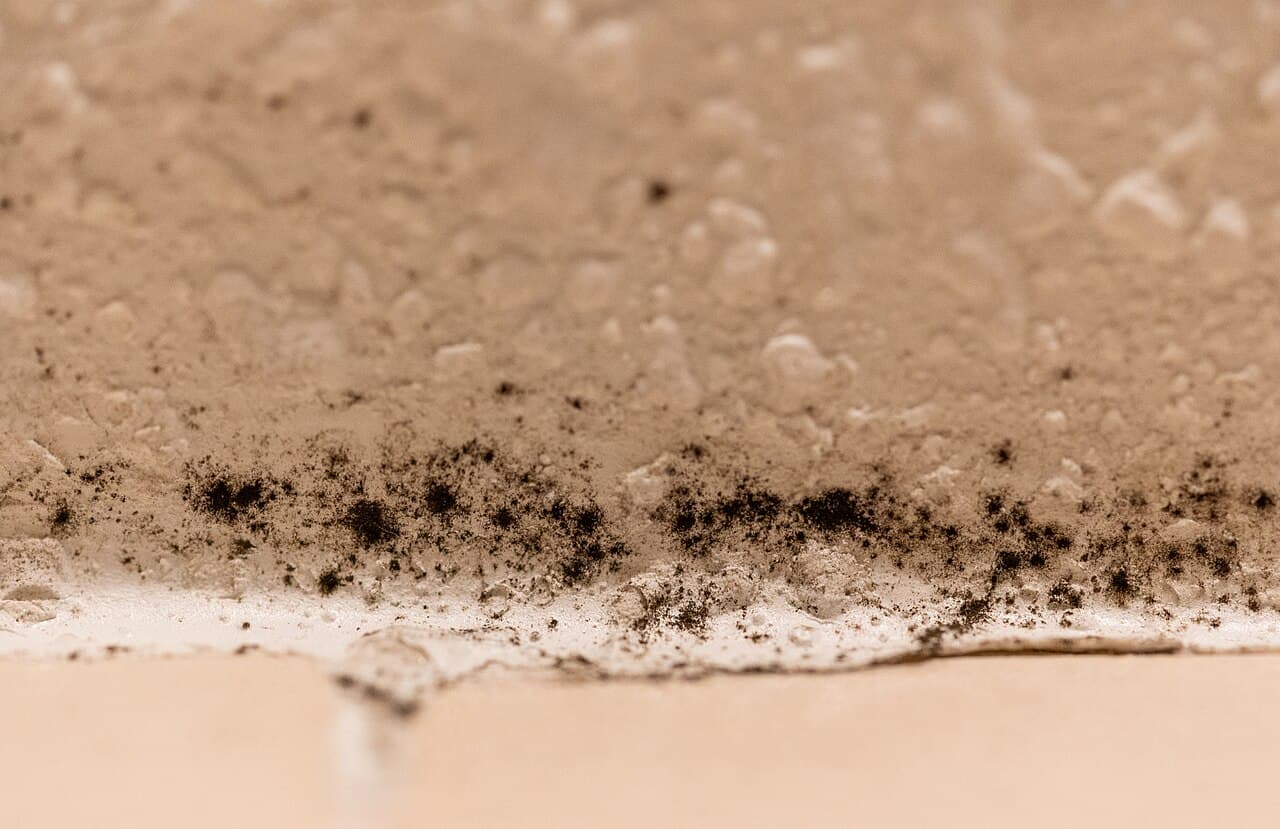 Foto: Tony Webster · Wikimedia Commons
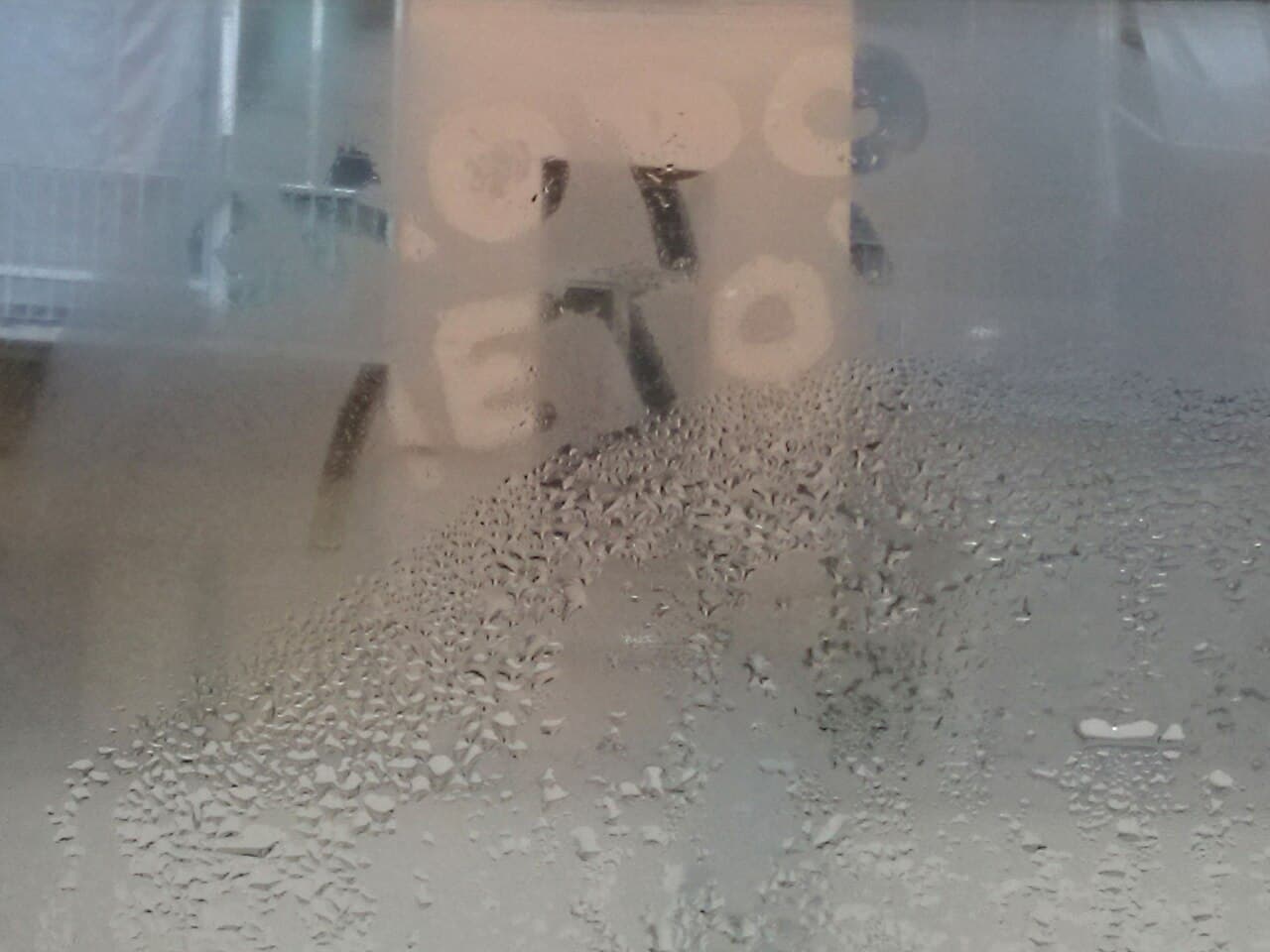 Foto: Mia Primavera · Wikimedia Commons
 Foto: Doggo19292 · Wikimedia Commons
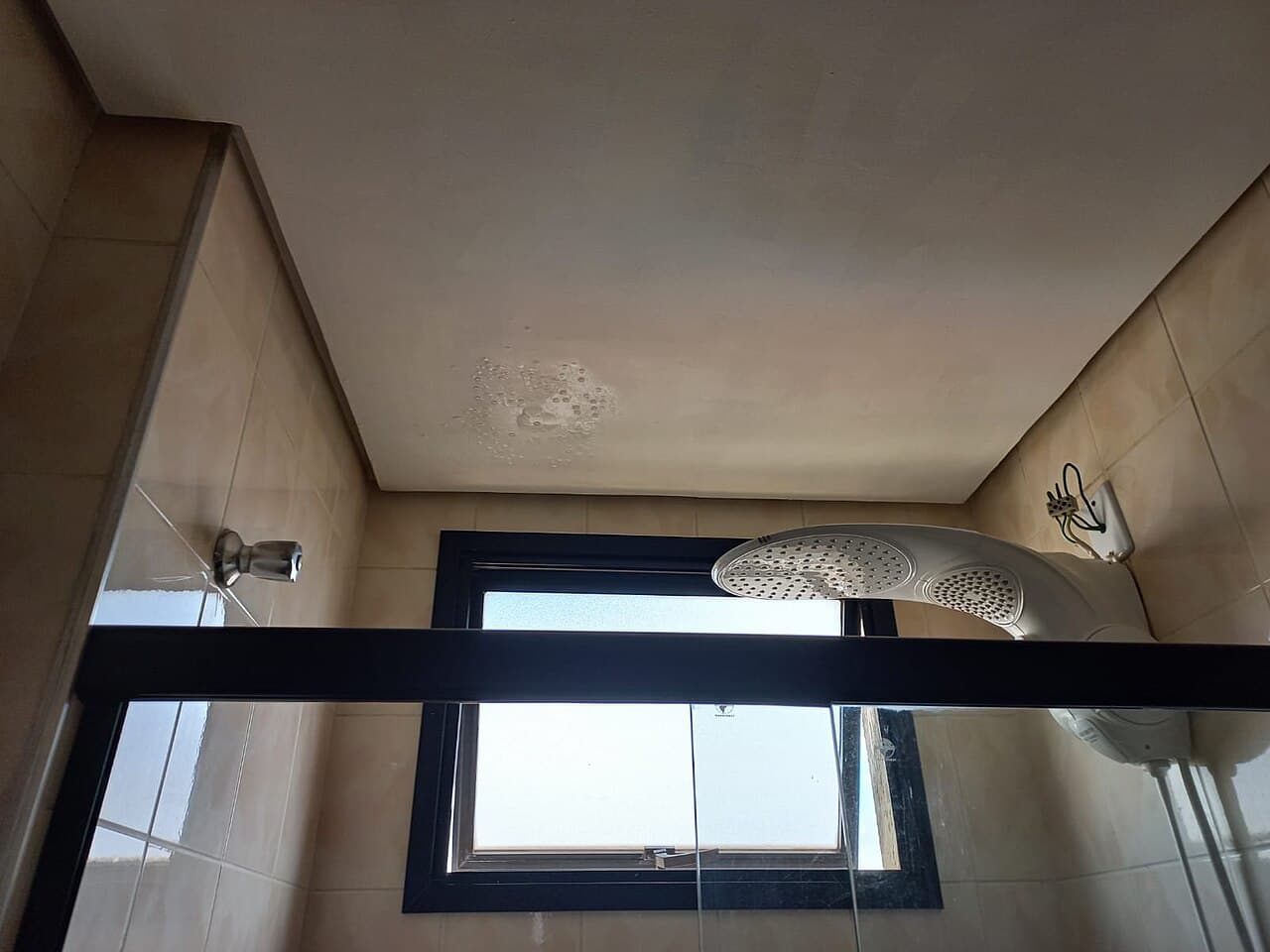 Foto: Sintegrity · Wikimedia Commons
Treating the wrong cause is the most expensive mistake: a €4,500 injection won't fix condensation, and a dehumidifier won't stop a leak.
Black mould spots in the upper corners and behind furniture. Droplets on the windows in the morning. Worse in winter and at night.
Damp band up to ~1 m from the floor. White powder and salts (efflorescence). Crumbling plaster, blistered paint.
Yellow-brown patch with a sharp edge. Worse 1–3 days after rain. On the ceiling, near windows or under the terrace.
With pictures instead of jargon. If you have a hygrometer, measurements make the result more precise.
Probabilities for each type, the three signs that weighed most and how confident we are. If we're not sure, we say so.
Fix it yourself, ask 1–2 verified companies for quotes or, if you rent, send your landlord a letter with the PDF report.
High confidence · medium severity
We also earn money from companies. The difference is that the rules are public:
The diagnosis isn't made by a partner. There are no paid spots in the result.
Even when we earn nothing from it.
Your details are only shared with your explicit consent — and never with 10 companies.
Companies badly rated by our users are excluded.
Tell us the type of damp, the method and the price. We tell you whether the method treats the cause and whether the price per m² is within what the market charges.
Check a quoteFind the cause, document it with numbers and send your landlord a ready-made letter, created in 2 minutes in your browser.
Tenant's guideWith a €20 thermometer you can tell whether your wall will grow mould. At 18 °C and 75% humidity, any surface below 13.5 °C gets wet.
Open the calculatorType of damp, area, location and timeline — before the first phone call. Each request goes to at most 2 companies. The first 5 are free.
See the terms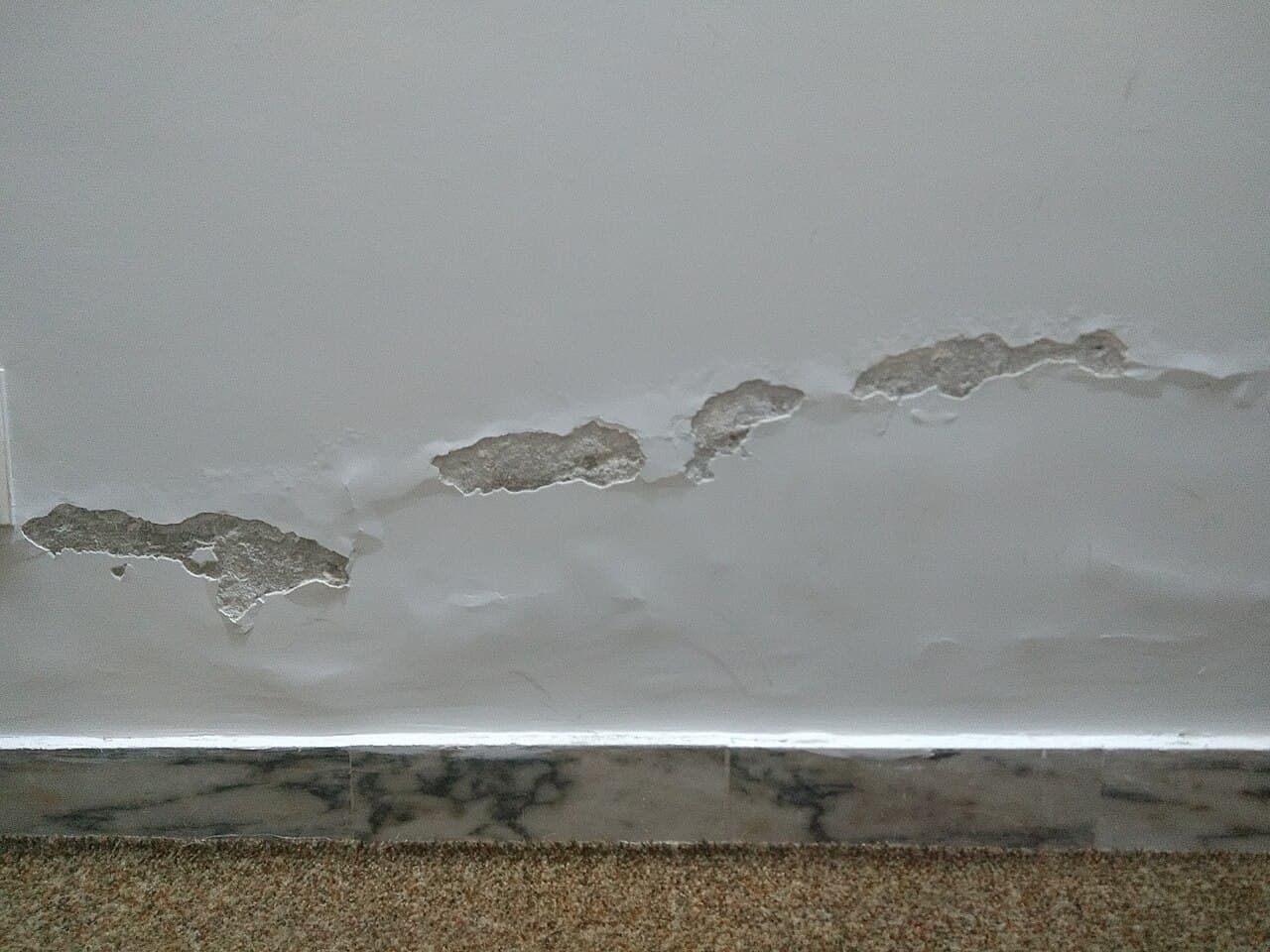
Injections, electro-osmosis and salt-retardant plasters: prices per m², a worked example, red flags and what to ask before you sign.
Full guide →The bedroom is where mould appears most — and there is a physical reason for it. The plan to get rid of it, in most cases without building work.
Full guide →As a rule, maintenance work is the landlord's job. But the cause matters: how to document, notify, what deadlines to ask for and what not to do.
Full guide →Condensation, rising damp, water ingress or a plumbing leak: four signs that tell them apart, a comparison table and observed prices for each fix.
Full guide →Anyone who has had mould at home knows the pattern: each company concludes you need exactly the product it sells. Injections for one, ventilation for another, special paint for the rest.
We built humidade.pt so you know the answer before the first visit — with numbers, sources and the model's rules in plain sight. If the result looks wrong to you, write to us: we read everything and use every case to calibrate the model.
Yes. We don't ask for contact details to show the result — only if you want quotes from companies or the PDF by email.
A public scoring model: each answer adds or removes points from three hypotheses. The weights are on the methodology page.
It depends on the cause. We create a letter to your landlord with the report; each party's obligations should be confirmed with a lawyer.
No. It is indicative. When confidence is low, we say so and recommend a visit.