Mould at home: why it appears and how to get rid of it
Mould is a symptom, not the cause. It grows when the humidity at the surface stays above ~80% for days. Cleaning without fixing the cause only delays its return.
Signs
- Black or green spots
- Musty smell
- Cold corners, behind wardrobes, bathrooms
- Comes back weeks after cleaning
Most common causes
Almost always condensation. Sometimes an old leak that keeps the wall damp.
How to get rid of mould: treatments and prices
- Cleaning with diluted bleach (do it yourself)€15–40
- Professional mould cleaningfrom €48
- Anti-mould paint€25–60/tin
Sources: Habitissimo, Zaask, cume.pt, customer reports. Collected on 02.10.2026.
Detailed prices: Mould cleaning · Dehumidifier · PIV ventilation · all prices
Why mould appears
Mould (bolor or mofo in Portuguese) is a fungus. Its spores are always in the air, indoors and out, and there is no way to get rid of them. They only turn into stains when they find three things at once:
- moisture at the surface above ~80% for several days in a row — you don't need to see droplets;
- food — dust, paint, wallpaper, plaster, wood, silicone, soap residue;
- a mild temperature, the kind found in any lived-in home.
Of the three, humidity is the only one you can control. That is why mould is always a symptom: it tells you that surface is wet for too many hours a day. Cleaning without dealing with the cause only delays its return, usually by a few weeks.
The problem is common in Portugal: according to INE, the national statistics institute (2025), 32.1% of residents live in homes with damp or leaks.
Is black mould dangerous?
In 2009, the World Health Organization (WHO) concluded that there is sufficient evidence of an association between persistent damp and mould at home and respiratory symptoms, as well as asthma. A black patch in a corner is no reason to panic, but it isn't something to leave to grow either, especially in a child's bedroom or where someone with asthma sleeps.
The colour doesn't tell you whether a mould is «toxic»: there are many dark species, and the same fungus changes colour depending on the surface. Having it tested is rarely worth it, because the result doesn't change what you need to do — clean it safely and fix the damp. The evidence, without scaremongering, is in is black mould dangerous? and damp and health.
How to clean mould safely
Small patches, up to about 1 m² in total, can be cleaned at home:
- Protect yourself: gloves, a well-fitted FFP2 mask and goggles if you are cleaning the ceiling. People with asthma or respiratory allergies, children and older people should stay out of the room.
- Window open and door closed to the rest of the home.
- Dampen before scrubbing. Never brush or vacuum mould dry: it spreads the spores.
- Choose the product by surface: diluted bleach (1 part to 4 of water) on tiles and washable paint; vinegar or 3% hydrogen peroxide on wood; anti-mould gel on grout and silicone.
- Rinse and dry thoroughly. A clean but wet wall will grow mould again.
- Throw away cloths and sponges in a sealed bag.
The full table by surface — paint, tiles, silicone, wood, wallpaper, plasterboard — is in how to remove mould from walls.
Call a professional when the area is larger than ~1 m², when the mould is behind tiles, built-in wardrobes or false ceilings, when there is a musty smell with no visible stains, after a flood, or when someone at home has a respiratory illness. Professional cleaning costs from €48, but it only lasts if the cause is fixed — see how much mould cleaning costs.
Finding the cause: where the damp comes from
The shape and location of the stain say a lot about its source:
| What you see | Probable cause | What to do |
|---|---|---|
| Black spots in the upper corners, behind furniture, around windows; worse on winter mornings | Condensation — the most common cause | Condensation damp |
| Stain with an outline and tide marks that grows 1–3 days after rain | Water ingress | Water ingress |
| Band near the floor with efflorescence, crumbling plaster, little mould | Rising damp | Rising damp |
| Stain at one spot that grows with no link to rain | Plumbing leak | Water ingress |
If the stain doesn't clearly fit one row, the free diagnosis asks 12 questions and gives a probability for each cause.
How to stop mould coming back
Almost always, stopping it coming back means lowering the humidity in the air or warming the cold surfaces:
- Measure. A ~€10 hygrometer read at 7 am. The aim is to stay between 40% and 60%; above 70% in the morning, several days in a row, the mould comes back. See ideal humidity at home and hygrometers: which one to buy.
- Air for 5–10 minutes with windows open on opposite sides, in the morning and after showers and meals, even when it's raining. See how to air your home in winter.
- Remove the vapour where it starts: cooker hood, bathroom extractor fan, laundry drying outside. See drying laundry indoors.
- Move furniture 5–10 cm away from outside walls and don't overfill wardrobes that stand against cold walls.
- Heat steadily, without letting the home cool down much overnight.
- Dehumidifier when, after two weeks, the morning humidity is still above 70%. See which one to buy.
Anti-mould products: what helps and what hides the problem
| Product | Helps when | Doesn't fix | Guide |
|---|---|---|---|
| Anti-mould paint | After cleaning and lowering the humidity, to delay the stains coming back | Water ingress, rising damp, morning humidity above 70% | Anti-mould paint |
| Moisture absorbers | In a wardrobe or a small storeroom | A whole room | Do absorbers work? |
| Dehumidifier | Condensation in a room or flat | Water coming from outside or from the ground | How much it costs and uses |
| Anti-mould sprays | Cleaning small stains | The cause, whatever it is | How to remove mould |
«Waterproofing» paints on an interior wall do the opposite of what they promise: water can no longer evaporate and the mould appears next to the paint or underneath it.
Mould in a flat: what changes with the floor and the façade
In a flat, where mould appears depends a lot on the floor and the orientation. In uninsulated buildings from the 1960s–80s, the pattern is usually this:
- Top floor: the roof slab gets cold and mould appears on the ceiling, along the outside walls; the roof can also let water in. See mould on the ceiling.
- Middle floor: mould sits in the corners of the outside walls and around the columns and beams in the façade; a stain with an edge on the ceiling points to the neighbour upstairs. See water coming through the ceiling.
- Ground floor: besides condensation, it is the only floor where moisture rising from the ground is likely. See rising damp.
- North-facing façade: it gets little sun, the walls are colder and the bedrooms on that side are usually the worst affected.
Two identical flats in the same building can fare very differently: the number of people, laundry drying indoors, heating and windows all count. If mould appears in several flats on the same façade or stacked one above the other, the cause is probably the building and the matter is for the condomínio.
Mould room by room
| Where | Guide |
|---|---|
| Bedroom: upper corners, behind the bed and the wardrobe | Mould in the bedroom |
| Ceiling: corners, top floor, under balconies | Mould on the ceiling |
| Windows, frames and rubber seals | Mould on windows |
| Wardrobes and clothes | Mould in the wardrobe |
| Kitchen | Damp in the kitchen |
| Bathroom, grout and silicone | Bathroom without a window |
| Musty smell with no visible stains | Musty smell at home |
Mould in a rented home or a home you are about to buy
In a rented home, condensation mould is the most frequent cause of disputes between landlord and tenant. A two-week log of the humidity at 7 am, dated photos and a note of what you did to air the home show which side the problem is on. See damp in a rented home: who pays and the page for tenants.
Before buying or renting, be wary of walls freshly painted in just a few corners, a musty smell masked with air fresheners, and furniture that can't be moved away from the walls. What to check is in buying a home with damp and checking for damp before renting.
Frequently asked questions
Yes. In Portugal people tend to say «bolor» for the stains and «mofo» for the smell, but both are fungi that grow on damp surfaces — in English, simply mould. The causes and the way to fix them are the same.
Because the surface is still damp. Mould grows when the humidity next to the wall stays above ~80% for days, and cleaning doesn't change that. If it comes back within a few weeks, the cleaning went fine — what is left is to fix the cause, which is almost always condensation.
It depends on the surface. Diluted bleach (1 part to 4 of water) works well on tiles and washable paint; on wood, vinegar or 3% hydrogen peroxide; on grout and silicone, anti-mould gel. Never mix bleach with ammonia, vinegar or limescale removers.
The World Health Organization (WHO) associates persistent damp and mould with respiratory symptoms and asthma. A small patch is no reason to panic, but it should be cleaned carefully and the cause fixed, especially in homes with children, older people or people with asthma.
Between 40% and 60% relative humidity. The number that matters is the one at 7 am: above 70% several days in a row, mould on cold surfaces is only a matter of time.
It delays the stains coming back, because it contains biocides, but it doesn't dry a wall that is taking on water. Use it after cleaning off the mould and lowering the humidity. Over water ingress or rising damp, the paint blisters and the mould comes back underneath.
When the area is larger than about 1 m², when the mould is behind tiles, built-in wardrobes or false ceilings, when there is a musty smell with no visible stains, after a flood, or when someone at home has a respiratory illness.
Cleaning it yourself costs €15–40 in products. Professional cleaning costs from €48. Anti-mould paint costs €25–60 a tin. What really adds up is the cause: a dehumidifier costs €90–300; PIV (VMI), €2,000–5,000; repairing water ingress depends on the source.
Read next
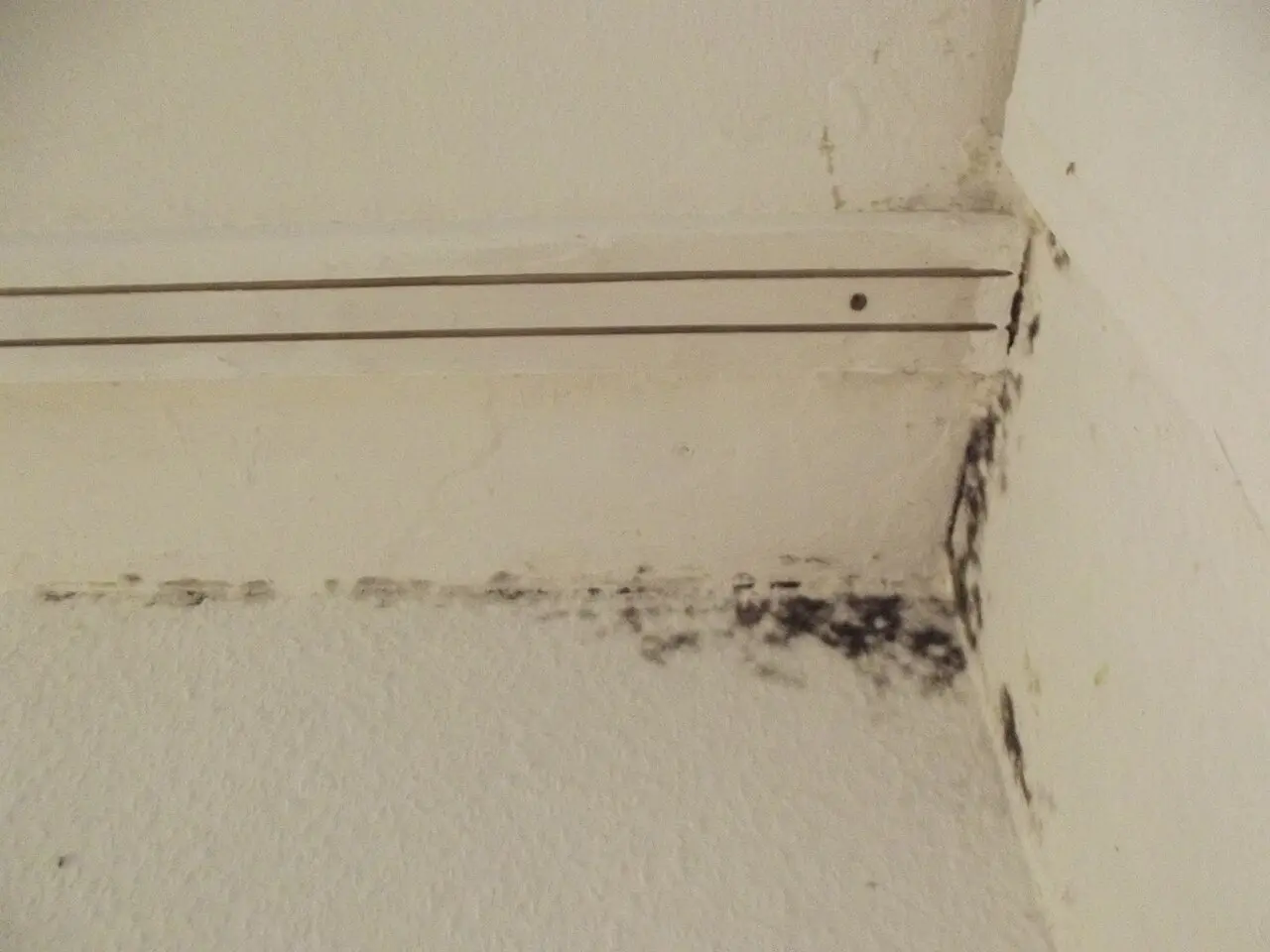 Mould in the bedroom: why it appears and how to get rid of it
- Damp and health: what the evidence says (without scaremongering)
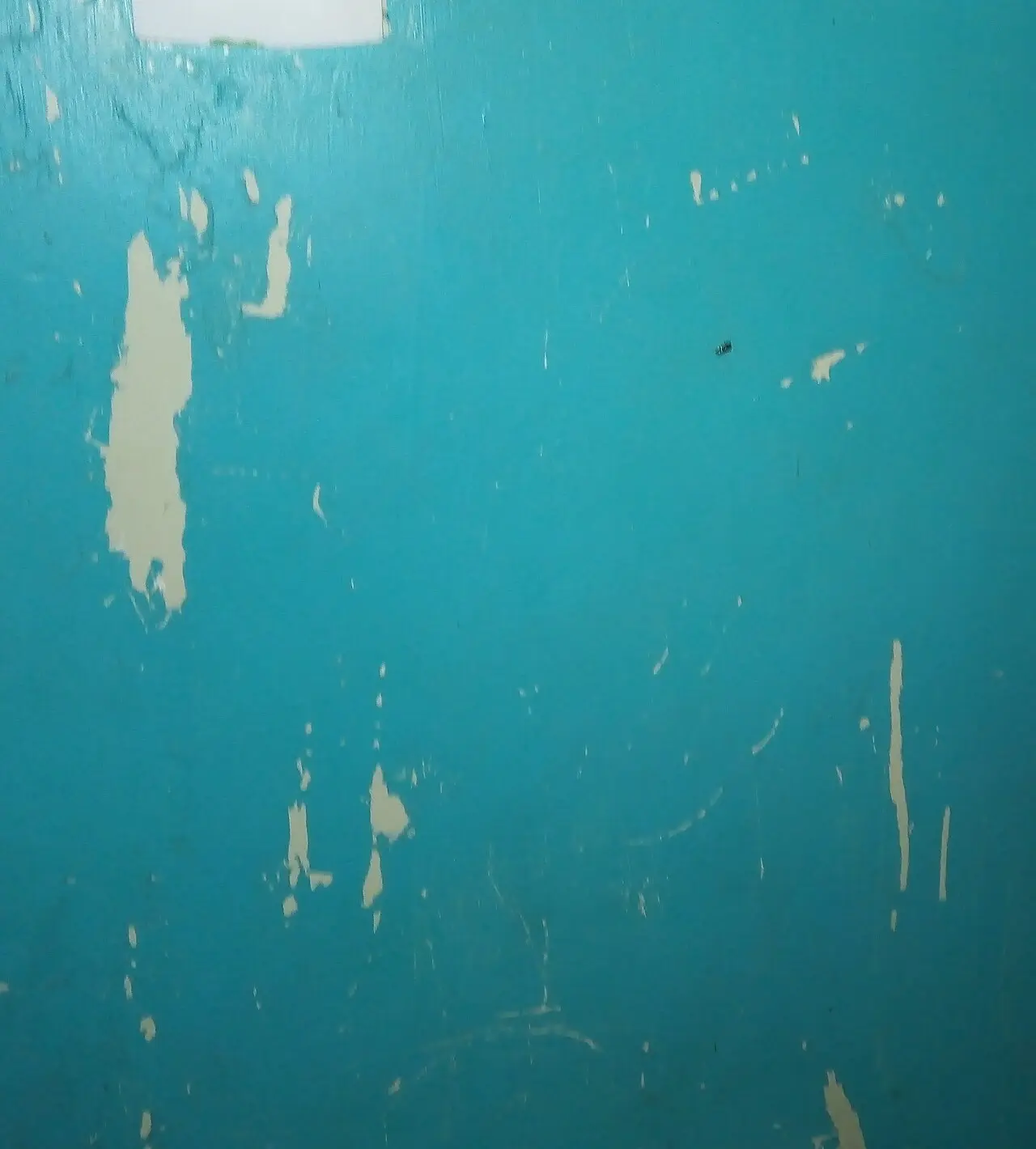 Anti-mould paint: when it helps and when it hides the problem
- Mould in the wardrobe and on clothes: why it appears and how to prevent it
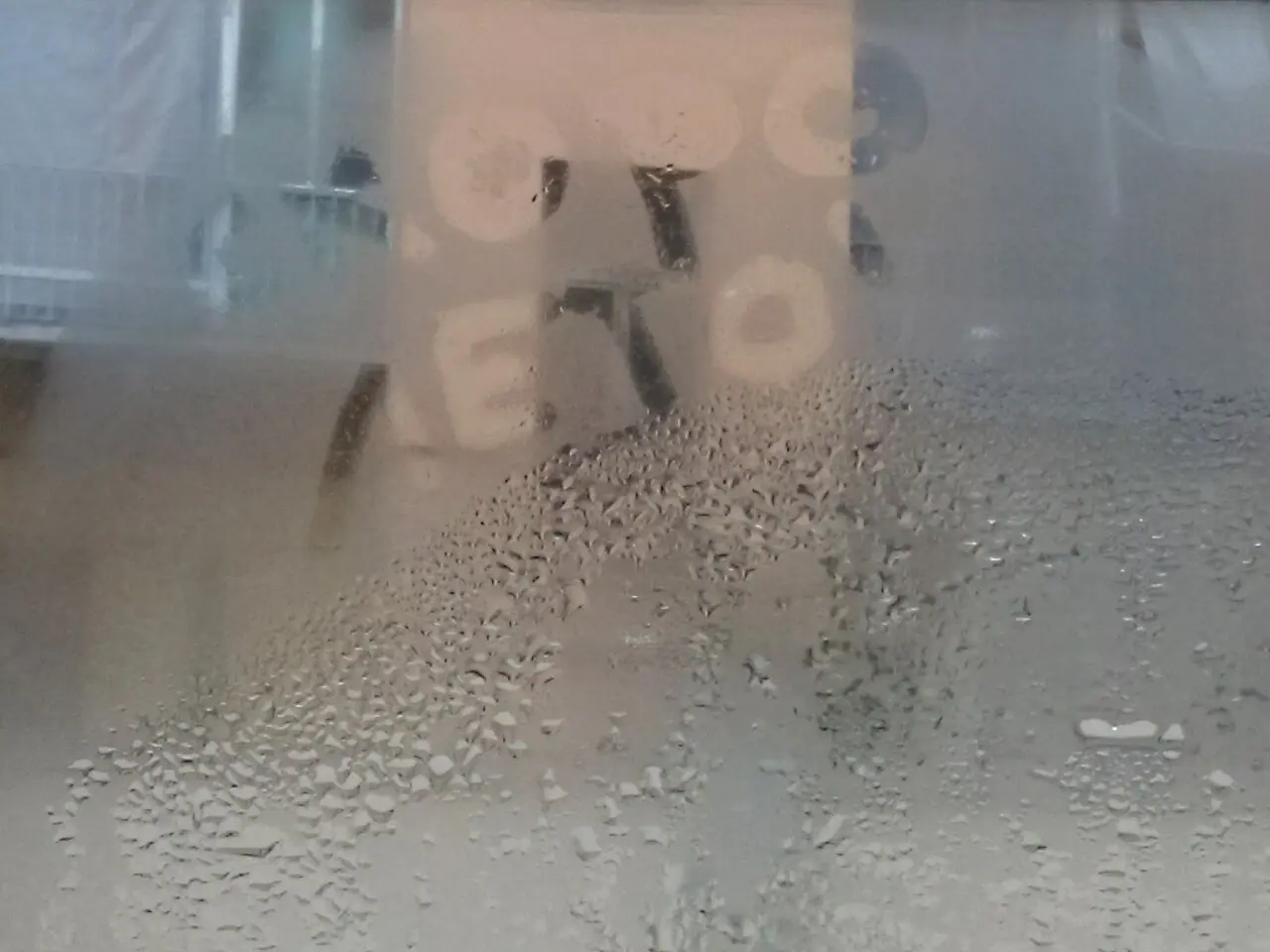 Mould on windows and window frames: why it appears and how to get rid of it
- How to remove mould from walls: what works on each surface