Guides to damp, written with nothing to sell
Diagnosis, real prices, tenants’ rights and what to buy (and what not to). Every guide ends with the diagnosis, already filled in with your case.
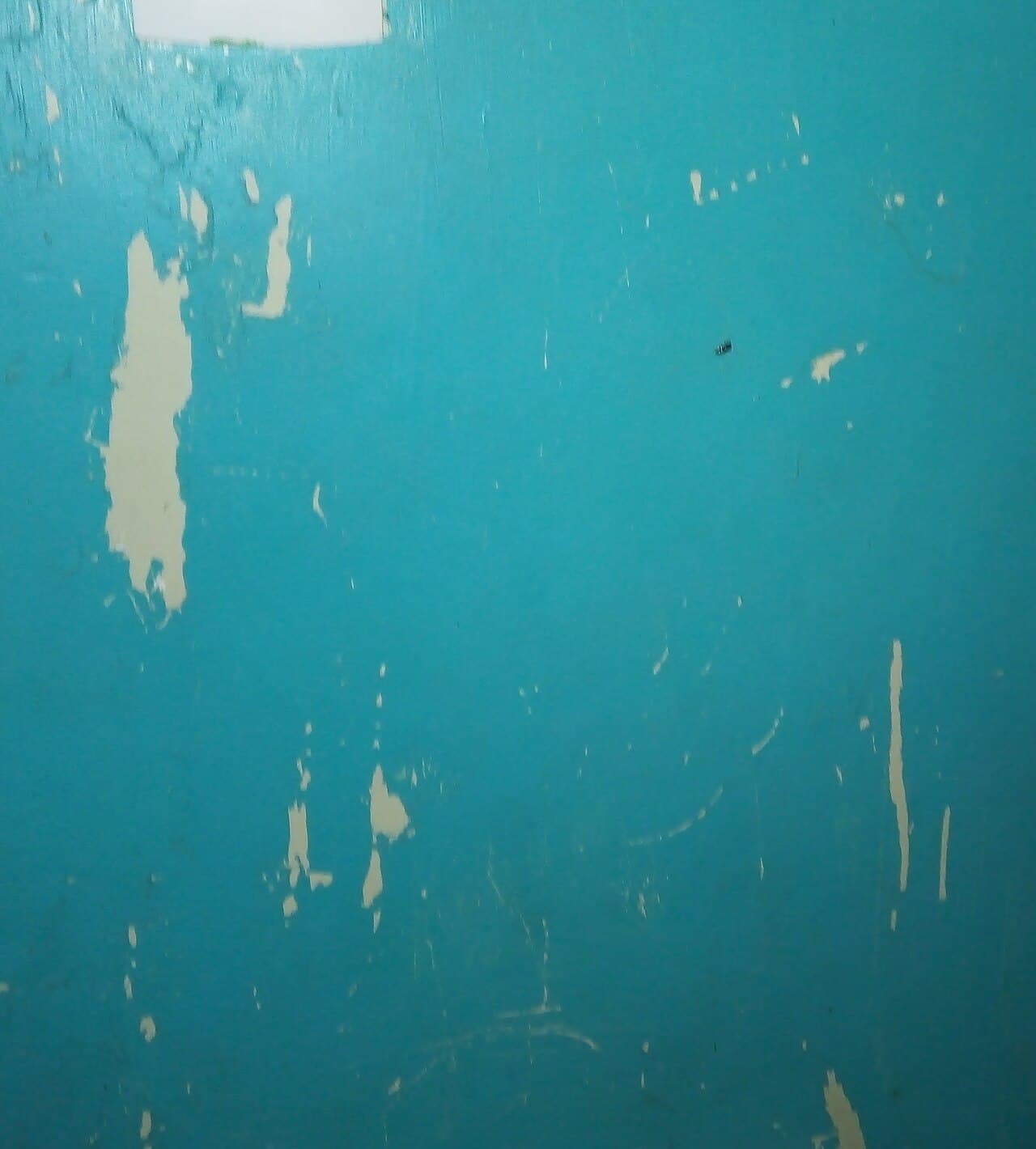
Damp walls: how to find the cause in 10 minutes and what it costs to fix
Condensation, rising damp, water ingress or a plumbing leak: four signs that tell them apart, a comparison table and observed prices for each fix.
most read in October →49 guides
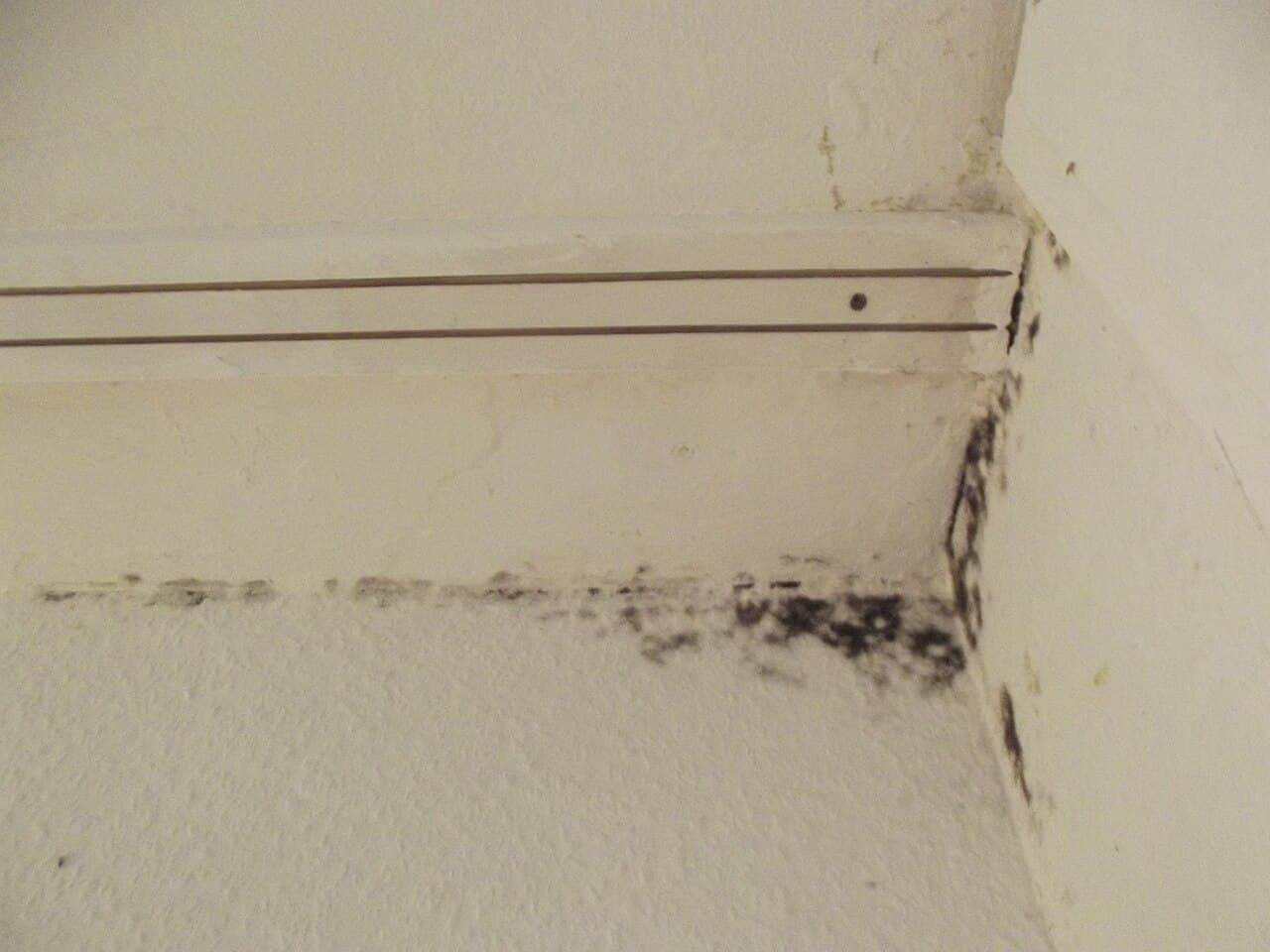
What kind of damp does your home have? Free diagnosis in 3 minutes
The starting point: 12 questions, a probability for each cause and an action plan.
Open tool →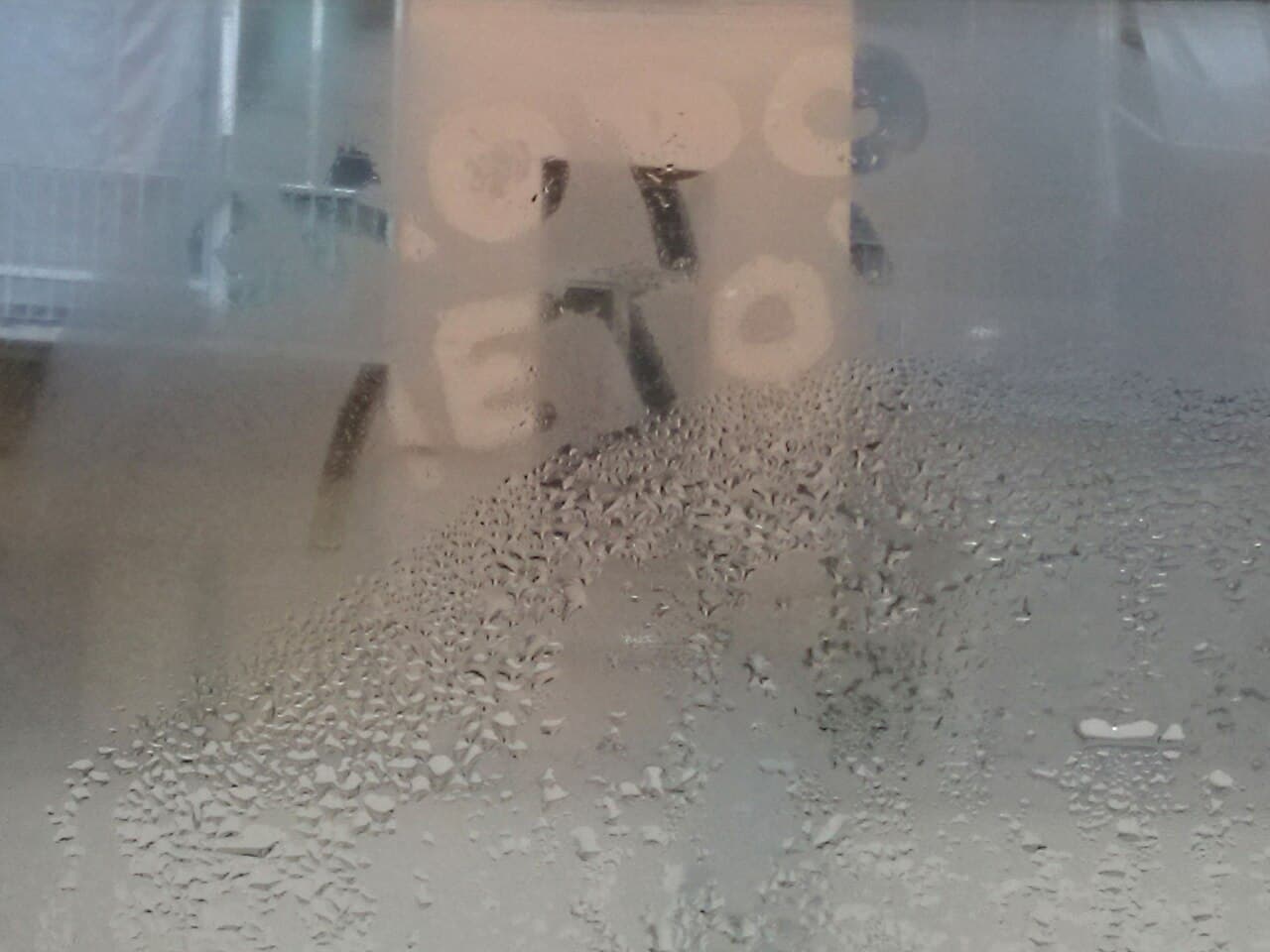
Condensation damp: how to identify and fix it
The most common cause in Portugal — and the one most often fixed without building work.
Open tool →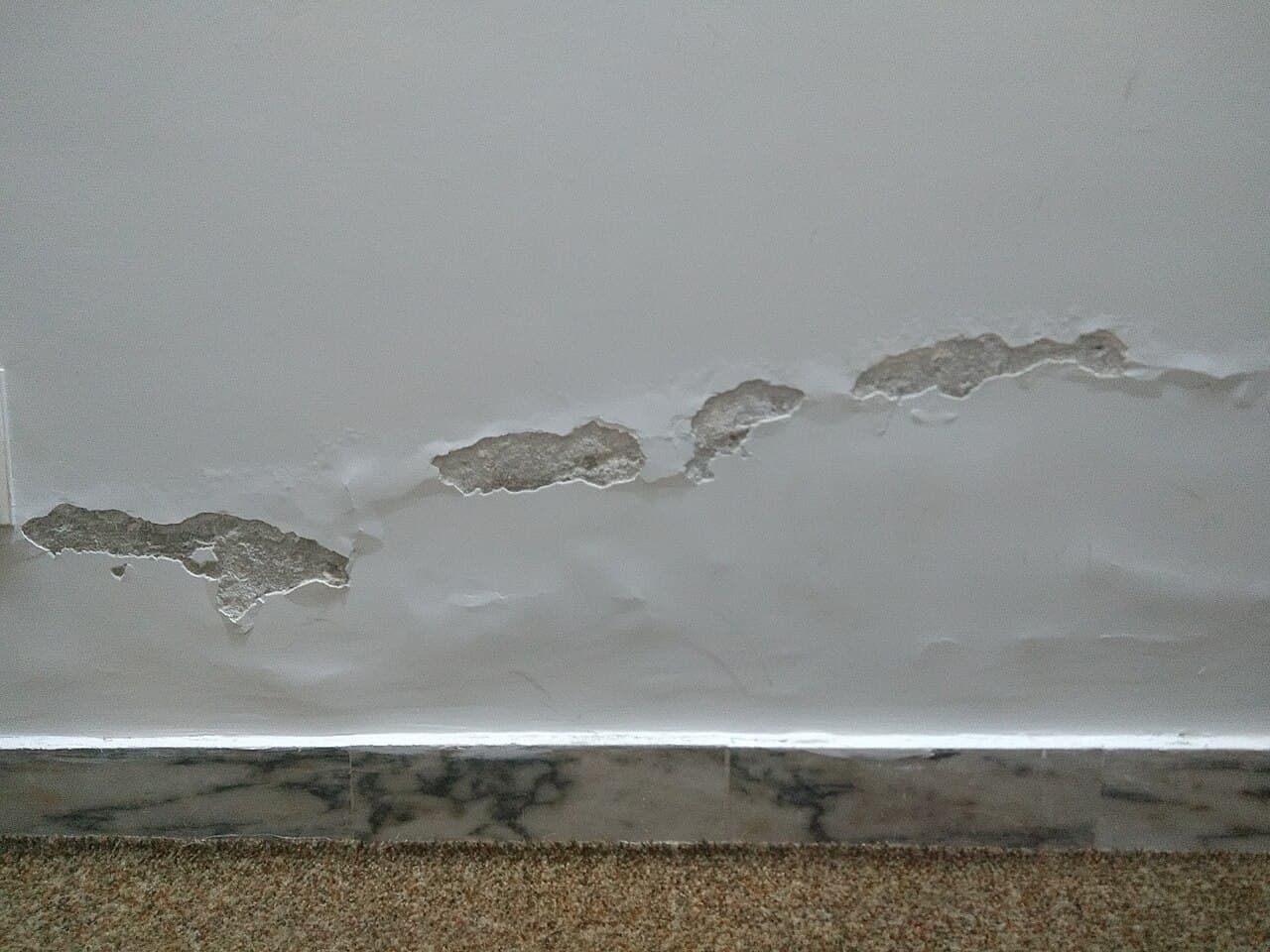
Rising damp: signs, causes and treatments
A band up to 1 metre, efflorescence and falling plaster. How to confirm it before paying thousands.
Open tool →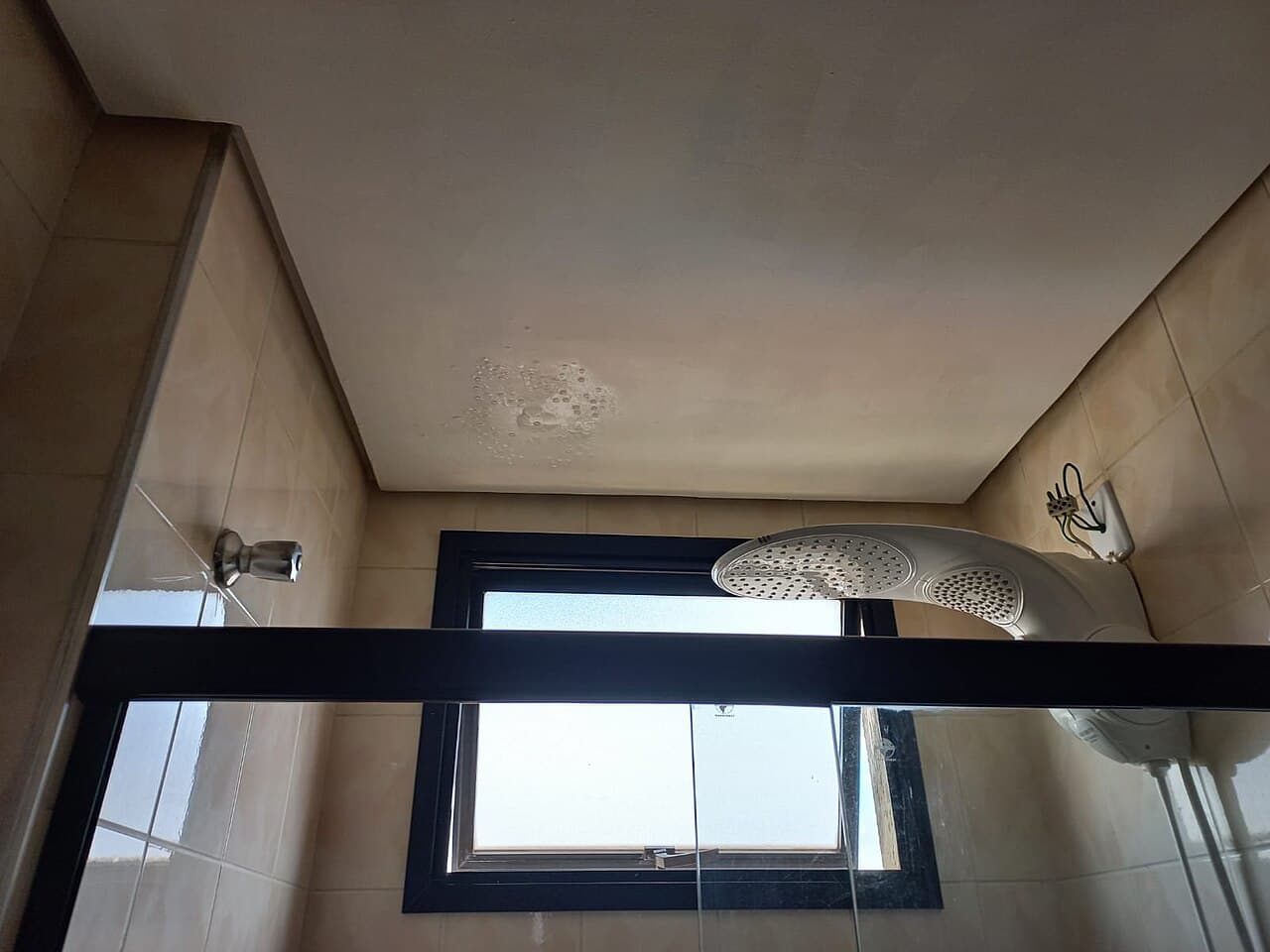
Water ingress: how to find out where the water comes from
Roof, terrace, window frames, pipes or the upstairs neighbour — a method of elimination.
Open tool →Dew point and mould risk calculator
Enter the temperature and humidity and see at what temperature your walls get wet.
Open tool →How much does rising damp treatment cost? (2026 prices)
Injections, electro-osmosis and salt-retardant plasters: prices per m², a worked example, red flags and what to ask before you sign.
Full guide →How much does positive input ventilation (PIV / VMI) cost, and when is it worth it?
Positive input ventilation in an apartment: €800–2 500, and when it replaces a dehumidifier.
Open tool →How much does mechanical ventilation (MVHR / VMC) cost in an apartment?
About €2 500 installed. How it differs from PIV and what building work it needs.
Open tool →Injections vs electro-osmosis vs plaster: an independent comparison
Three approaches to rising damp side by side: how they work, when they make sense, drying time, salts, guarantees and price.
Full guide →How to choose a damp-proofing company: 12 questions, warning signs and documents
The 12 questions to ask at the visit, the warning signs, the documents to check and how to compare two quotes before you sign.
Full guide →Mould in the bedroom: why it appears and how to get rid of it
The bedroom is where mould appears most — and there is a physical reason for it. The plan to get rid of it, in most cases without building work.
Full guide →Mould on the ceiling: condensation or water ingress?
On the ceiling, the two causes overlap. How to tell them apart by shape, colour, floor and timing — and where to start.
Full guide →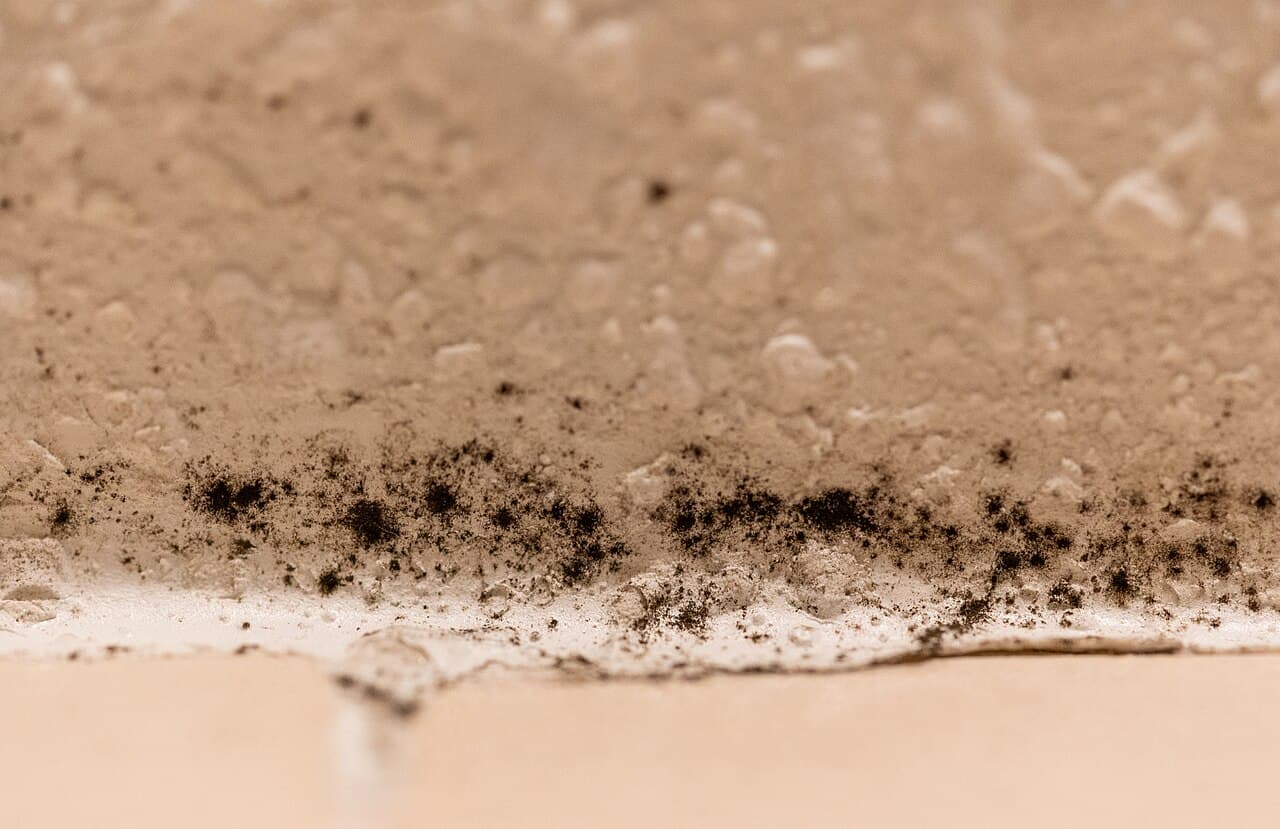
Damp in a bathroom without a window: extractor fan, door and routine
Extractor fan, timer and a gap under the door: what works when shower steam has nowhere to go — and how to test your fan with a sheet of paper.
Full guide →Damp in basements and ground floors: rising damp, condensation or the ground?
Where rising damp, groundwater and condensation meet — including summer condensation in cool basements. What to expect and where to start.
Full guide →Dehumidifiers: which one to buy and how many litres you need
Compressor or desiccant, 10 or 20 litres, how much electricity it uses and when it won't help at all. A guide with no paid brands.
Full guide →Hygrometers: which one to buy and how to measure correctly
The €10 instrument that tells you more about your home than many technical visits — if you know where and when to measure.
Full guide →Do moisture absorbers work? Test and limits
Where they help (wardrobes, pantries) and where they're money down the drain (whole rooms). Simple maths and the precautions to take.
Full guide →Drying laundry indoors without causing mould
One wash load releases about 2 litres of water into the air. How to dry it without soaking the walls.
Full guide →Gas heaters and damp: the hidden problem
They give out heat, but also water vapour — and can give off carbon monoxide. Why they make condensation worse and what to use instead.
Full guide →Aluminium windows without a thermal break and condensation
One of the most common window frames in Portuguese homes is also the coldest. Why water runs down it, what to do now and what to ask before replacing.
Full guide →Damp in a rented home: who pays, the landlord or the tenant?
As a rule, maintenance work is the landlord's job. But the cause matters: how to document, notify, what deadlines to ask for and what not to do.
Full guide →Damp coming from the upstairs neighbour: what to do
A patch on your ceiling under the neighbour's bathroom? How to confirm the source, talk, notify in writing and claim on insurance.
Full guide →Damp in the common parts of a condominium: who pays and what to do
Façade, roof, terrace or stacks: when the condominium pays, how to get it onto the meeting agenda and what to do if it is urgent.
Full guide →Damp and health: what the evidence says (without scaremongering)
What the WHO guidelines say about damp, mould and health, what's exaggerated, who is more sensitive and when to talk to a doctor.
Full guide →Ideal humidity at home: levels by room and season
Between 40% and 60% for most of the year. Why the 7am reading is the one that matters, and what to do above 70% or below 35%.
Full guide →Anti-mould paint: when it helps and when it hides the problem
Useful once the cause is fixed. Before that, it's make-up — and on walls with salt deposits, not even that.
Full guide →Damp in older homes (built before 1990): what to expect
Around 70% of Portugal's housing stock was built before insulation rules. What's normal, what's a warning sign and where to start on a tight budget.
Full guide →Damp-proofing companies in Lisbon: what to check before you hire
No paid rankings: when you really need a company in Lisbon, what to check for each type of building and what the most common jobs cost.
Full guide →Damp-proofing companies in Porto: what to check before you hire
Granite houses, «ilhas» and rainy winters: how to tell water ingress from rising damp in Porto and what to ask a company.
Full guide →Methodology: how our diagnosis works
The model's weights, formulas and limits, published in full.
Open tool →Damp and mould in the kitchen: causes and solutions
Steam from pans, recirculating hoods, gas cookers, tumble dryers and leaks under the sink: where kitchen damp comes from and how to stop it.
Full guide →Buying a home with damp: what to check before you sign
Smell, fresh paint in corners, furniture against walls: the checklist to take to the viewing and how to use damp in the negotiation.
Full guide →Damp treatment quote: how to tell if it's fair (and if the method is right)
Five checks to audit a damp treatment quote before you sign: diagnosis, method, m², price per m² and guarantee.
Full guide →Damp-proofing companies in Braga: what to check before you hire
Wind-driven rain, houses with basements and granite homes: what to check in a damp-proofing company in Braga and the Minho before you sign.
Full guide →Does home insurance cover damp and water ingress?
A burst pipe is usually covered; a slow leak or condensation often isn't. What to check, document and who to report it to.
Full guide →Musty smell at home: where damp smells come from and how to get rid of them
A musty smell is almost always mould you can't see yet. Where to look, how to tell it apart from a drain smell and what fixes it for good.
Full guide →How to measure damp in a wall (and what the numbers actually mean)
Hygrometer, pin meter, carbide test or thermal camera: what each instrument really measures and how not to be fooled by a single number.
Full guide →Condensation or rising damp? 5 simple tests you can do at home
Stain height, season, floor, aluminium foil and a 7 am hygrometer reading: five tests that cost almost nothing and stop you paying for the wrong treatment.
Full guide →Efflorescence (salitre) on walls: what it is, where it comes from and how to treat it
The white powder that blisters paint and crumbles plaster is a sign of water passing through the wall. Find out where it comes from and why painting over it fails.
Full guide →Is black mould at home dangerous? What the evidence says
Colour doesn't tell you whether a mould is «toxic», and testing it at home rarely changes what you should do. What matters: clean carefully and fix the damp.
Full guide →Mould in the wardrobe and on clothes: why it appears and how to prevent it
A wardrobe against an outside wall, still air and clothes put away damp: the three causes of mould in wardrobes, and what to do with clothes and shoes.
Full guide →Infrared thermometers: how to use one to find cold walls
A €15–20 instrument shows where your home is cold enough for condensation and mould — if you get the emissivity, the distance and the time of day right.
Full guide →VMI or VMC: which to choose to stop condensation in a flat
How VMI (positive input ventilation) and VMC (mechanical extract or heat recovery) work, when each fits a rented flat or a renovation, noise, filters and prices.
Full guide →How to air your home in winter without losing heat
Airing for 5–10 minutes with a through-draught removes moisture without cooling walls and furniture. When to open up, why a window left ajar is worse, and a simple routine.
Full guide →Dehumidifier or VMI: which works better against condensation
A dehumidifier dries one room; a VMI renews the air in the whole flat. Compare reach, running costs, noise, landlord consent and when to combine both.
Full guide →How much does it cost to find a water leak (and when is it urgent)
Professional leak detection costs from a few hundred euros. The meter test you can do now, the methods used, who pays and what to do while you wait.
Full guide →Cold home and damp: insulation, windows and heating
Cold walls are where moisture condenses. Thermal bridges, single glazing, external or internal insulation, how to heat and what to do first on each budget.
Full guide →20- or 30-year guarantees on damp treatment: what to check
A long guarantee is only as good as its terms. What it should cover, common exclusions, whether it passes to a buyer, who honours it if the company closes and what to keep.
Full guide →