Damp treatment quote: how to tell if it's fair (and if the method is right)
Five checks to audit a damp treatment quote before you sign: diagnosis, method, m², price per m² and guarantee.
- A fair quote states the cause and how it was measured, uses a suitable method and gives the area in m² and the price per m².
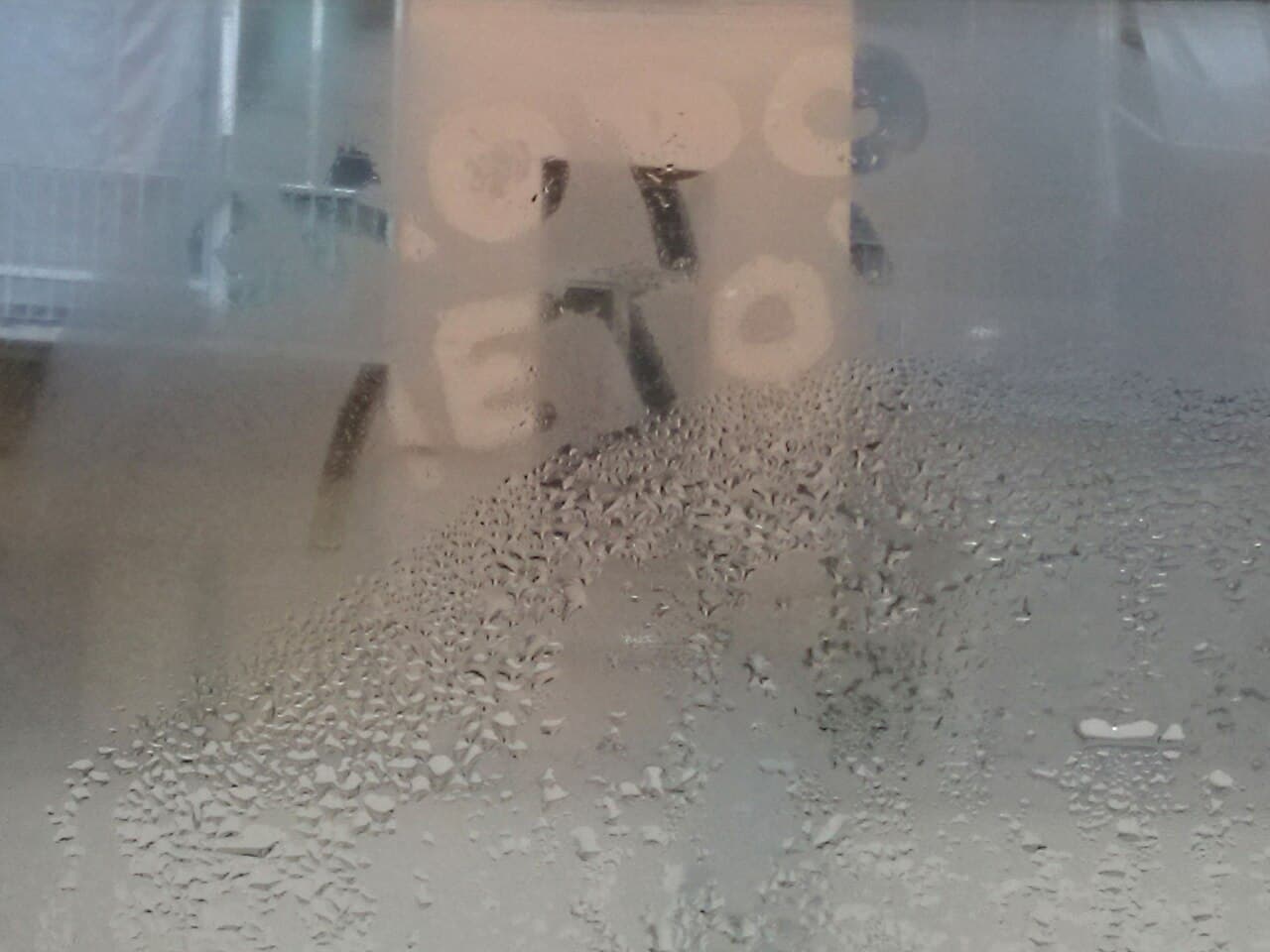
- Injections or electro-osmosis for condensation are money wasted: the water comes from the indoor air, not the ground.
- Compare with observed ranges (€35–60/m² for rising damp) and get in writing what is and isn't included.
IN THIS GUIDE
How can you tell if a damp treatment quote is fair?
A fair quote is not just a low price. It is a proposal where the diagnosis is written down and measured, the method suits that type of damp, the area and price per m² add up and the guarantee says what it covers.
In Portugal, 32.1% of people live in homes with damp or leaks (INE 2025), and published prices contradict each other: Zaask quotes €4–50/m², Habitissimo an average of €157.50/m². With that much opacity, the best defence is a checklist. Use these five questions with every quote you receive:
- Is the diagnosis written down, and was it measured?
- Does the method match the type of damp?
- Are the area and the price per m² within what the market shows?
- What is included — and what is left out?
- Do the guarantee and the company give you real protection?
1. Is the diagnosis written down — and how was it measured?
The first line of any quote should be the cause: condensation, rising damp, water ingress or a plumbing leak. If the document only says «damp treatment», you have no way of checking whether the work makes sense.
- What device was used: contact moisture meter, carbide method, thermal imaging, or measuring wall temperature and the air's relative humidity.
- Where and when it was measured: which walls, at what height, morning or afternoon.
- What readings were obtained — numbers, not just «high moisture».
Compare with what you know about your home. Our free diagnosis asks 12 questions and gives a probability for each hypothesis; when confidence is low, it recommends a technical visit. You can see exactly how it works in the methodology.
2. Does the proposed method suit your type of damp?
This is where the costliest mistakes are. An excellent method applied to the wrong problem is money wasted, however well it is carried out.
| Type of damp | Methods that make sense | Red flag in the quote |
|---|---|---|
| Condensation | Airing, dehumidifier, PIV (VMI) or MVHR (VMC), less vapour indoors | Injections or electro-osmosis |
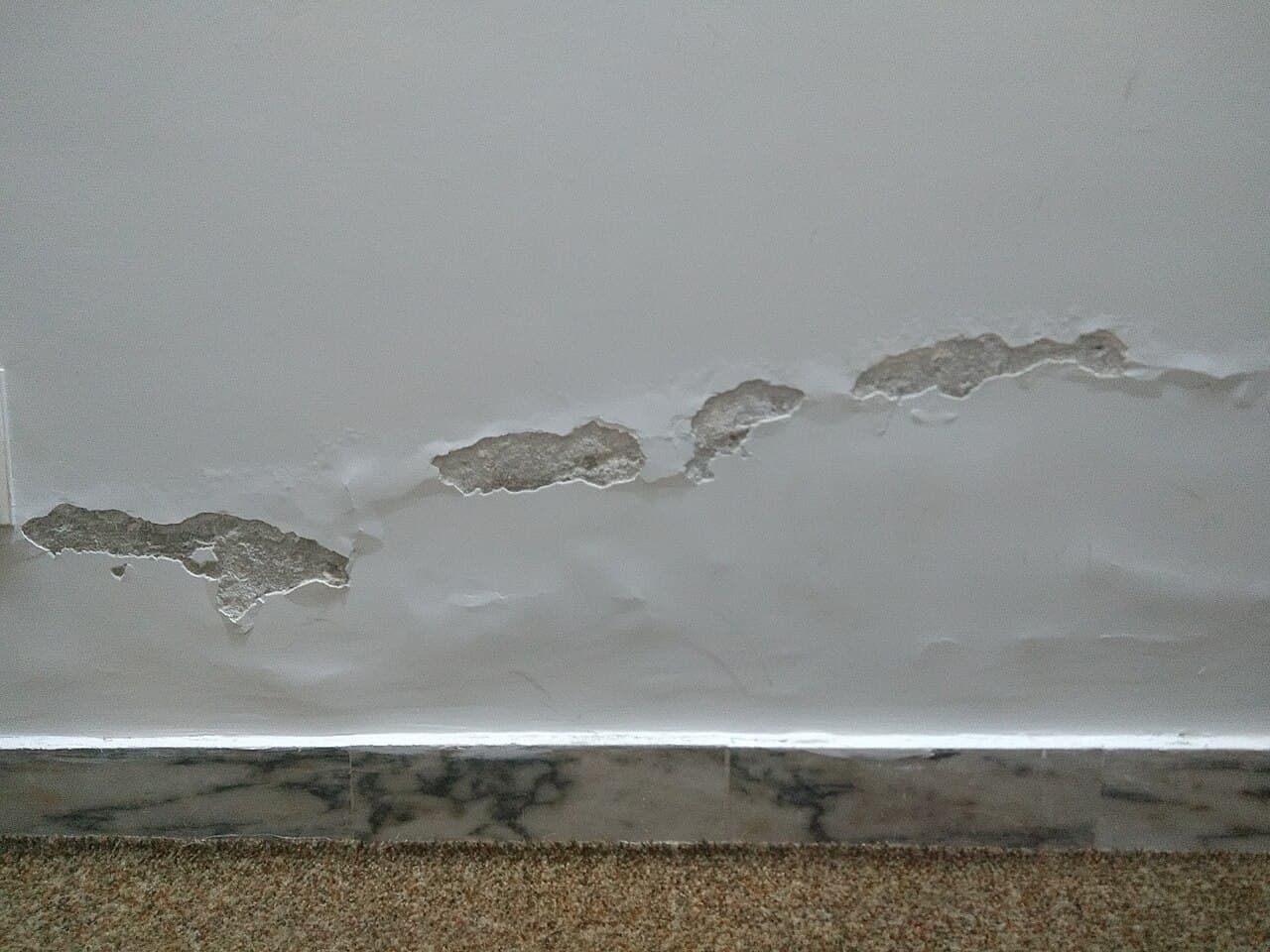
| Rising damp (ground floor or basement) | Injections, electro-osmosis, salt-retardant plaster, outside drainage | Diagnosis on a 2nd floor; «anti-damp» paint over the top |
| Water ingress | Fix the source: roof, terrace, window frames, façade | Treating only the inside of the wall |
| Plumbing leak | Find and repair the leak | Treating the wall before finding the leak |
A typical case: a flat on the 3rd floor of a 1970s building, mould in the bedroom corners next to the façade, worse in January and February. The quote received: injections around the whole bedroom. It fails on two counts — rising damp practically never happens above the ground floor, and the signs (upper corners, winter, mornings) are those of condensation. A hygrometer in the bedroom reading 70% or more at 7 am strengthens that clue.
To compare approaches to rising damp, see injections vs electro-osmosis vs plaster. For persistent condensation, reference prices are in how much PIV costs.
3. Are the area and price per m² within the normal range?
Always ask for the area in m² and the unit price. With those two numbers you can compare quotes from different companies and check the arithmetic. These are the ranges we observed:
| Work | Observed range (Oct 2026) |
|---|---|
| Injections or electro-osmosis | €35–60/m² |
| «Whole-house» systems | €4 500–20 000 (customer reports) |
| Terrace waterproofing | €28–45/m² |
| Leak detection | from a few hundred € |
| PIV in a flat | ≈ €800–2 500 (estimate) |
| MVHR | ≈ €2 500 or more |
| Professional mould cleaning | from €48 |
Example: a band 1 m high along 6 m of wall is 6 m²; at €35–60/m², the barrier comes to €210–360. A figure well above that isn't necessarily excessive — it may include plaster, both faces of the wall or thick stone — but it should be explained. More arithmetic in how much rising damp treatment costs.
4. What is included and what is left out?
Two quotes with the same total can describe very different jobs. Check, item by item, whether these appear:
- Hacking off and removing old salty plaster.
- New plaster (salt-retardant where there are salts) and painting with breathable paint.
- Protecting furniture and floors, cleaning and rubble removal.
- Travel, VAT (IVA) and any permits.
- Follow-up readings after the work, with dates.
A quote that only includes «application of the system» may leave you with a drilled wall and damaged plaster. Ask for everything not included to be written down as «not included», so there are no surprises at the end.
Take particular care with «whole-house» packages, which customer reports put at €4 500 to €20 000. They may include useful work, but ask for them to be broken down into lines: m² treated, plaster, ventilation, equipment and labour. If the company won't break the price down, you have no way of comparing it with another quote.
5. Do the guarantee and the company protect you?
- A written guarantee stating its length, what it covers (product, work or measured result) and what voids it.
- An alvará or certificado de empreiteiro (contractor licence issued by IMPIC) suited to the type and value of the work.
- Public liability insurance.
- A Livro de Reclamações (official complaints book), also available online.
- Staged payments tied to stages of the work, rather than a large deposit.
Guarantees of 20–30 years are common for rising damp treatments, but they are only as good as their conditions. Ask who honours it if the company closes and whether it passes to a new owner.
Many companies do the visit for free and sell their own system — the diagnosis and the works come from the same source. That doesn't make the quote bad, but it justifies an independent check. See also how to choose a damp-proofing company.
Getting a second opinion on your quote
You can use our free, automatic second opinion: you enter the type of damp, the proposed method, the area and the price, and get a consistency check — whether the method suits that type of damp and whether the price per m² is within the observed ranges. A review by a technician is also planned.
An automatic check has limits: it doesn't see your wall or measure anything. It can tell you that a method doesn't match the signs described or that a price per m² is outside the ranges, but it doesn't replace a technical visit when the case is ambiguous.
We don't recommend or rank companies in our guides. If you want to know how the site is funded, it is all explained in how we make money.
Frequently asked questions
Some companies charge for the call-out and others visit for free. The free visit is often made by whoever sells their own system, so the diagnosis may not be neutral. A paid assessment by a technician who won't carry out the work can pay off when the quote is large. Either way, ask for the readings to be put in writing.
You can, and should, if you have doubts. Ask the company to explain in writing why it chose that method for that type of damp and which alternatives it considered. A serious company can justify its choice with the readings it took. If the only answer is «it's our system», that is a sign it is worth asking for another quote.
A deposit to book the job is common, but avoid large advance payments. Prefer staged payments tied to completed stages — for example, after the barrier and after the plaster — and keep invoices and receipts. Before paying, check the company's details, including its alvará or certificado de empreiteiro (contractor licence) with IMPIC.
Record it with dated photos and, if possible, readings. Contact the company in writing under the guarantee and keep its replies. If there is no solution, you can use the Livro de Reclamações (complaints book), also available online, and ask DECO, the consumer association, for help. Before claiming, make sure you haven't done anything that voids the guarantee, such as using impermeable paint.
Not necessarily. A higher price may reflect more work included — plaster, painting, both faces of the wall — or simply margin and marketing. The only way to compare is to put the quotes side by side with the same area in m² and the same list of work. What matters first is whether the method suits the type of damp.
SOURCES
- Prices observed on Google.pt, cume.pt, Zaask and Habitissimo, Oct 2026
- INE — Survey on Income and Living Conditions, 2025
- IMPIC — contractor licences and certificates
- Customer reports on forums and in public reviews (Oct 2026)