How much does it cost to find a water leak (and when is it urgent)
Professional leak detection costs from a few hundred euros. The meter test you can do now, the methods used, who pays and what to do while you wait.
- Professional leak detection costs from a few hundred euros; the price depends on method, access and whether a report or repair is included.
- Before calling anyone, do the meter test: everything off for 30–60 minutes. If the meter moves, there is a leak after it.
- Who pays depends on the source: pipes in your unit, your neighbour's, or the building's shared pipes. Check your policy's water-damage cover.
IN THIS GUIDE
How much does it cost to find a water leak?
Prices observed in October 2026 for leak detection start at a few hundred euros. There is no single price list: the cost rises with the number of methods used, how hard access is, time on site, travel distance and whether a written report and the repair are included.
Marketplaces show very different figures for similar services, and many adverts promise "detection without building work" without saying what is included. That lack of transparency is itself a fact: compare proposals by what they do, not just the final number.
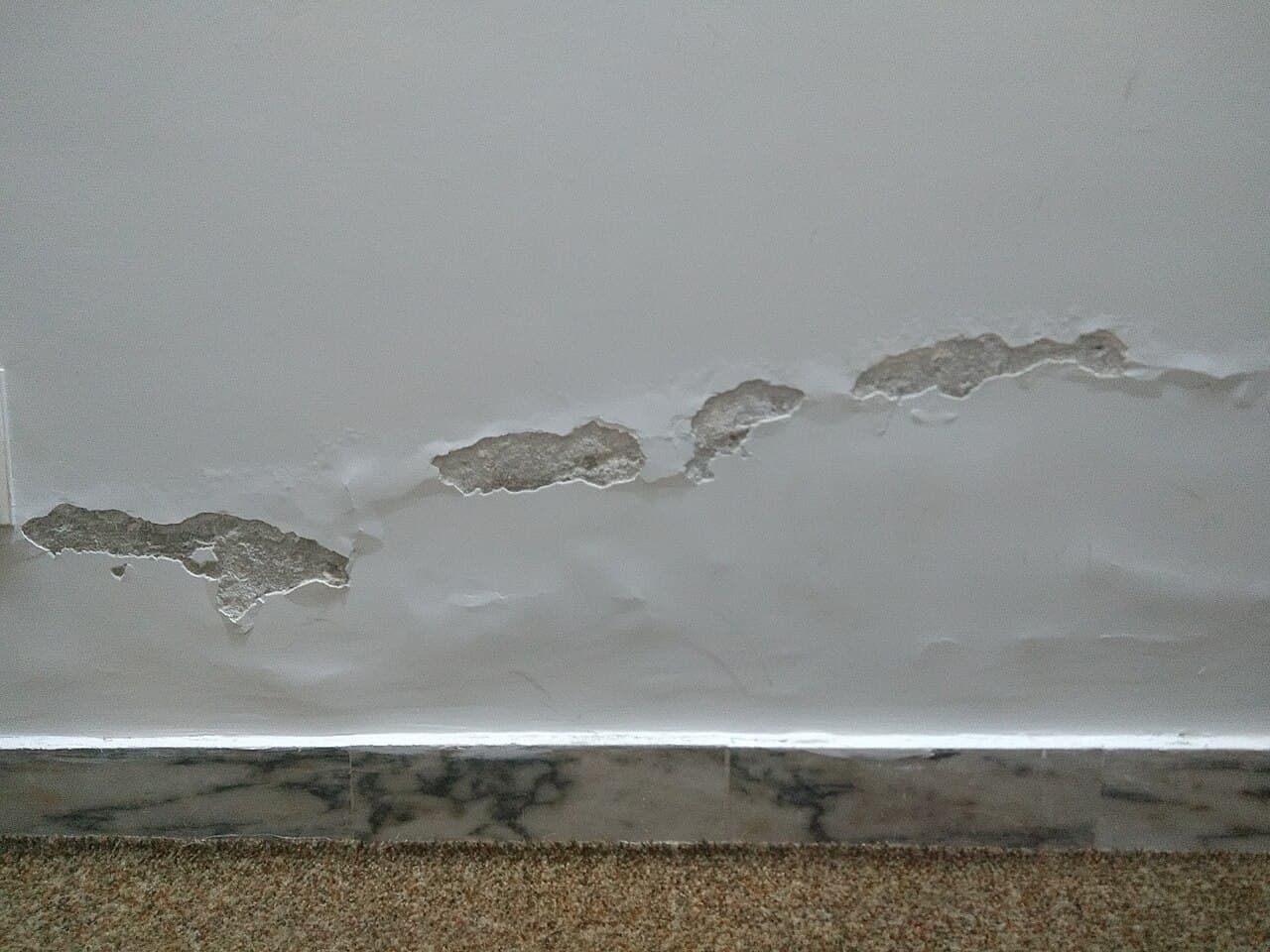
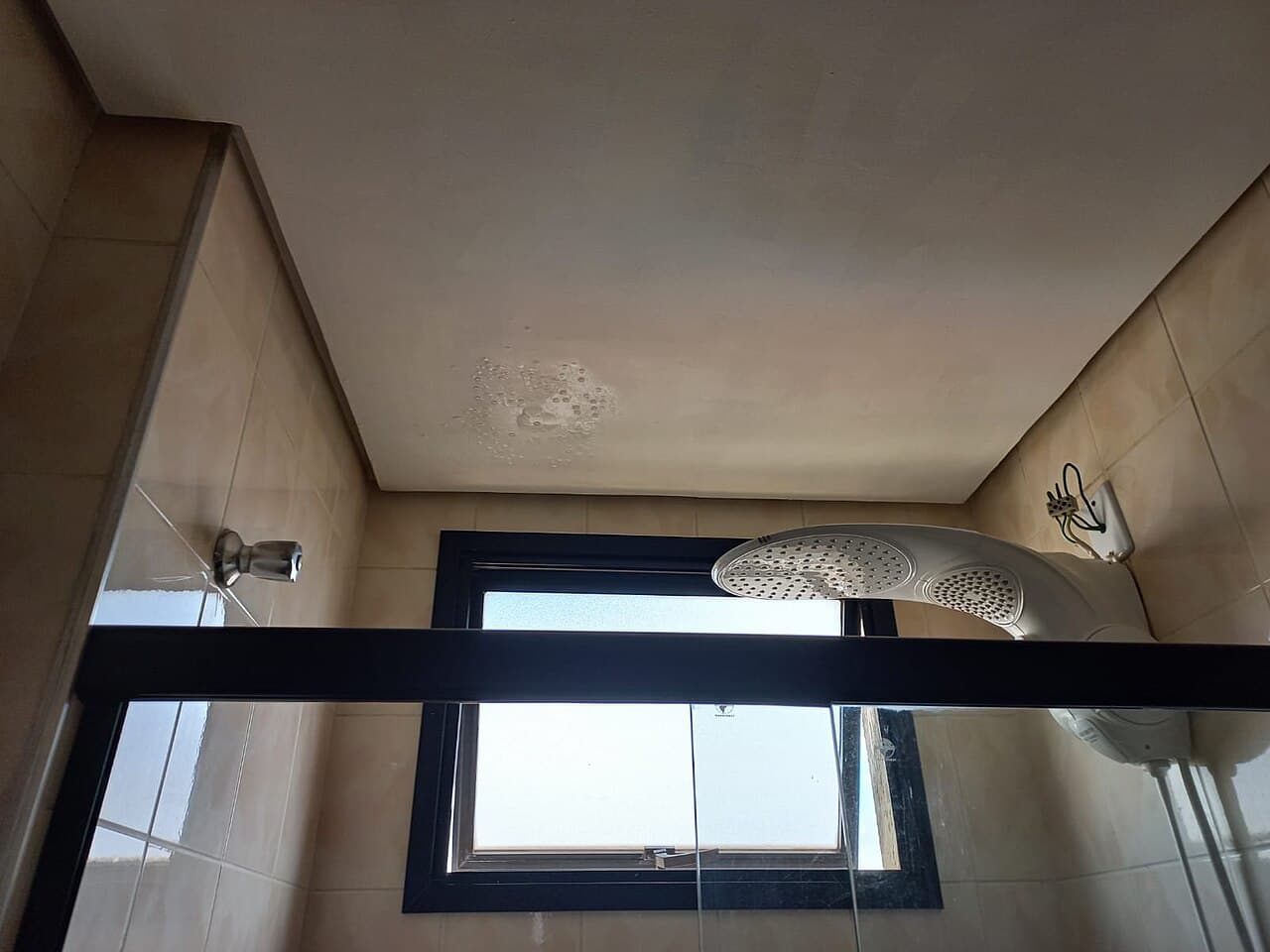
Before paying for any detection, it is worth confirming that it really is a leak. A ring-shaped stain on the ceiling that grows without rain points to plumbing; a stain that only appears after rain points to water getting in through the façade or roof. The free diagnosis helps separate the hypotheses and flags when a leak is likely.
| What affects the price | Why |
|---|---|
| Method (acoustic, thermal imaging, tracer gas, pressure) | Different equipment and time; sometimes several are needed |
| Access | Pipes buried in walls, false ceilings, underfloor heating or shared risers take longer |
| Written report | Useful for insurance and the owners' association, not always included |
| Repair | Opening up, replacing and making good is a separate job, often quoted separately |
| Urgency and timing | Weekends and nights usually cost extra |
The meter test: the first, free step
In 30–60 minutes you can confirm whether water is flowing while nobody is using it. It is the first test a technician would do, and the result helps you explain the problem on the phone.
- Turn off every tap, let the toilet cistern refill, and switch off the washing machine and the gas water heater or electric water heater. Nobody uses water during the test.
- Go to the meter and note the numbers or take a photo. Many meters have a small dial or star that turns even with tiny flows.
- Wait 30 to 60 minutes and look again. If the numbers or the dial have moved, water is passing after the meter.
- Close the home's main stopcock (usually near the entrance or in the kitchen) and repeat. If the meter still moves with the stopcock closed, the leak is between the meter and that valve.
- Test the cistern: put a few drops of food colouring in the tank and don't flush for 30 minutes. If colour appears in the bowl, the cistern is leaking.
What methods do companies use to find leaks?
Good leak detection tries to pinpoint the leak before breaking into walls. The most common methods complement each other:
| Method | How it works | When it's used | Limits |
|---|---|---|---|
| Acoustic detection | Sensitive microphones pick up the sound of water escaping under pressure | Pressurised supply pipes buried in floors or walls | Background noise and unpressurised waste pipes make it harder |
| Thermal imaging camera | Shows surface temperature differences caused by cold or hot water | Hot-water pipes, underfloor heating, recent stains | Shows the area, not the exact point; depends on conditions |
| Tracer gas | A harmless gas is injected into the pipe and detected where it reaches the surface | Small, hard-to-find leaks, pipes under floors | Requires draining the section and specialist kit |
| Pressure test | A section is isolated and checked for pressure loss over time | Confirming whether a network or section leaks | Tells you there's a leak, not where |
| Endoscope and moisture meter | Camera through small holes; reading moisture in materials | False ceilings, inspection chambers, mapping the stain | Add-ons, they don't locate a leak on their own |
In practice a technician combines two or three of these methods: the pressure test confirms the section is losing water, thermal imaging or acoustic detection narrow down the area, and tracer gas or the endoscope pinpoint the spot. The more precise the location, the smaller the area to break open and the cheaper the repair.
Be wary of anyone who proposes breaking open a whole wall without measuring anything, or who guarantees a result before seeing the home. Ask for the report to state the method used, the readings and the likely location, with photos.
When is it urgent? Signs you can't wait
- Water dripping from the ceiling or running down the wall.
- A plasterboard or plaster ceiling that is sagging or has new cracks.
- Water near sockets, switches, the fuse box or light fittings.
- The meter turning quickly with everything off.
- A wet floor with no visible cause, or flooring lifting.
In other cases — a ring stain that grows slowly, a damp smell, a higher water bill — it isn't an emergency, but it shouldn't be left for months either. The water keeps wetting walls and ceilings, and damage and mould increase over time.
Who pays for finding the leak: you, your neighbour or the condomínio?
As a rule, whoever is responsible for the leaking pipe pays, which often only becomes clear after detection. So it is common for someone to pay up front and then claim the cost from whoever is responsible. Keep the invoice and report.
- Pipes in your unit: plumbing inside your home, after the meter, is as a rule the owner's responsibility.
- Rented home: maintenance repairs as a rule fall to the senhorio (landlord) (Código Civil (Civil Code), art. 1074). For urgent repairs, the tenant may go ahead after notifying the landlord (art. 1036). See our page for tenants.
- Leak in the neighbour's home: the neighbour has to repair it, usually through their insurance. The guide damp coming from the flat above explains the steps.
- Shared pipes (risers, main stacks, common drains): these are common parts (art. 1421) and maintenance costs are shared among owners in proportion to their permilagem (share of the building) (art. 1424). Essential and urgent repairs are covered by art. 1427. See damp in common areas.
Home multi-risk policies usually include danos por água (water damage) cover for sudden events, such as a burst pipe. Gradual leaks, condensation and lack of maintenance are often excluded. Also check whether your policy mentions finding and repairing faults, and confirm the specific terms of your policy. More in the guide does home insurance cover damp?.
This is general information. If there is disagreement about who pays, check with a lawyer or with DECO, the consumer association.
What to do while you wait for the technician
- Close the main stopcock if the meter is moving and only open it when you need water.
- Photograph the stain, the meter and the damage with the date. Mark the stain's outline in pencil to see whether it grows.
- Notify the upstairs neighbour, the landlord or the building management in writing, as appropriate.
- Report to your insurer early, even before you know the source; policies set deadlines.
- Move furniture and rugs away from the wet area and air the room to help it dry.
- Don't paint or re-plaster over it until the source is fixed.
Once the leak is repaired, the wall or ceiling may take weeks to dry. Only then does it make sense to treat stains and mould; if needed, see how much mould cleaning costs.
How to request and compare leak-detection quotes
Ask for at least two proposals and make sure they compare the same job. A clear proposal should say:
- Which methods will be used and why.
- Whether the price includes travel, time on site and a written report with photos and location.
- Whether opening up and repair are included or quoted afterwards.
- What happens if the leak isn't found: do you still pay, pay less, or get a return visit?
- Whether the company holds an alvará or contractor's certificate (IMPIC, the construction regulator) for the repair and has liability insurance.
If you already have a proposal and aren't sure the method and price make sense, you can ask for a free second opinion. To understand the other possible sources of water, read the guide to water ingress.
Frequently asked questions
As a rule, no. The water utility is responsible for the network up to the meter; plumbing after the meter, inside your unit, is the owner's responsibility. You can still contact them if you suspect a problem with the meter or before it, and ask what procedure they have for abnormal consumption on your bill.
You can do the meter test, the food-colouring cistern test and watch whether the stain worsens when certain taps or the bathroom are used. A moisture meter and an infrared thermometer help map the wet area. Pinpointing a buried pipe precisely, however, usually needs professional equipment.
Yes. A slow leak keeps material damp for weeks, and mould grows when humidity at the surface stays above ~80% for several days, even with no visible water. It often appears first behind furniture, in false ceilings or at the base of kitchen and bathroom cupboards.
It depends on the policy. Water-damage cover usually includes the damage from a sudden event, such as a burst pipe; some policies also mention finding and repairing the fault, others don't. Read the specific terms, report early and keep invoices and reports before any work.
SOURCES
- Prices observed on Google.pt, cume.pt, Zaask and Habitissimo, Oct 2026
- Código Civil (Portuguese Civil Code), arts. 1036, 1074, 1421, 1424 and 1427
- General terms of home multi-risk insurance: water-damage (danos por água) cover