Does home insurance cover damp and water ingress?
A burst pipe is usually covered; a slow leak or condensation often isn't. What to check, document and who to report it to.
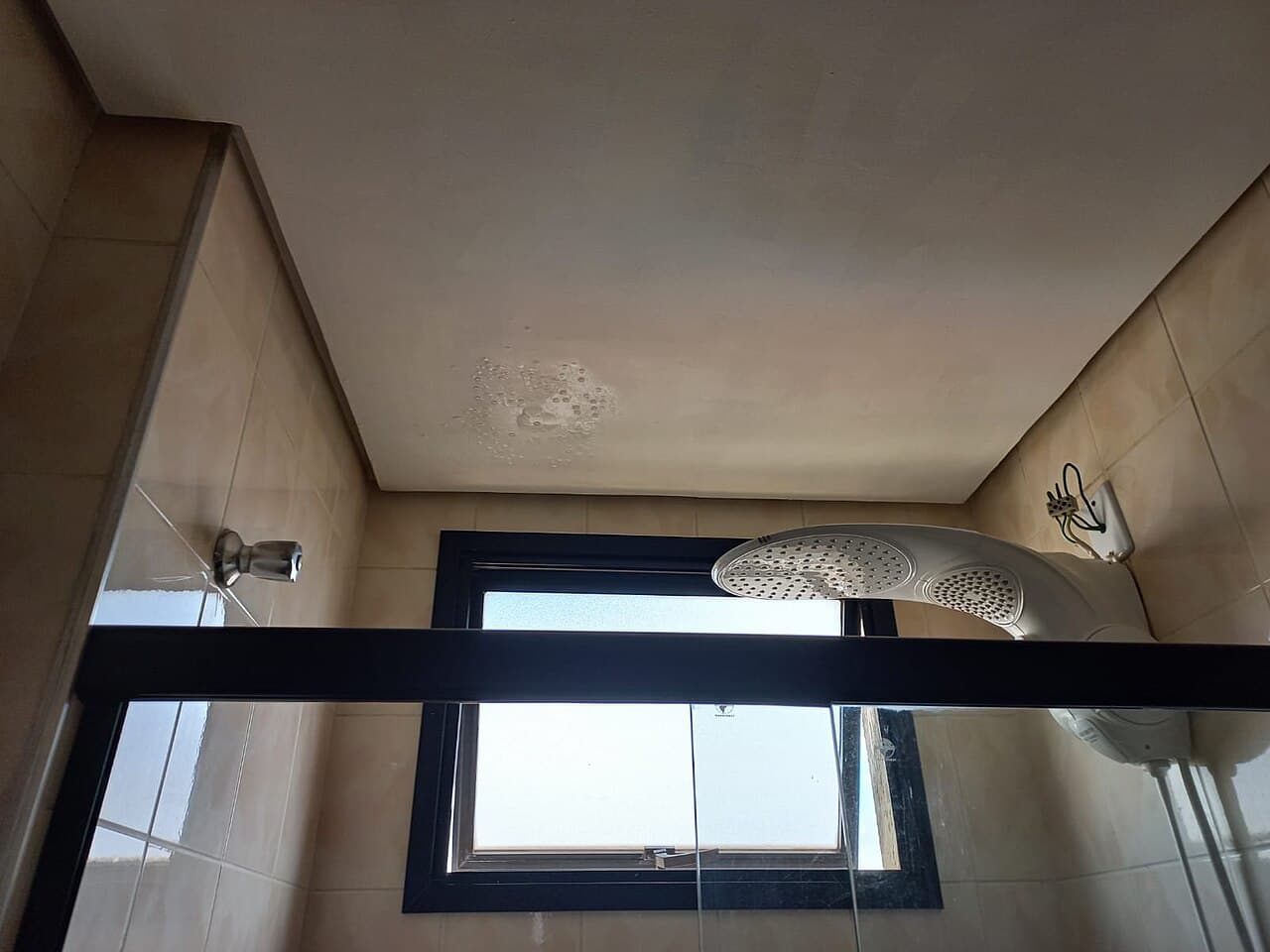
- Water damage cover (danos por água) is mainly for sudden events like a burst pipe; gradual damp, condensation and poor upkeep are common exclusions.
- Photograph, contain the damage and report early: policies set short deadlines and, if the contract sets none, the law points to 8 days.
- The claim may go to your policy, the neighbour's or the condomínio's, depending on where the water came from. Always check the policy terms.
IN THIS GUIDE
Does multi-risk home insurance cover damp?
It depends on how the water got there. Most Portuguese home multi-risk policies (seguro multirriscos habitação) include water damage cover (danos por água), designed for sudden, accidental events: a pipe that bursts, a water heater that leaks, a washing machine that overflows. In those cases, damage to plaster, paint, flooring and, if insured, contents is usually covered.
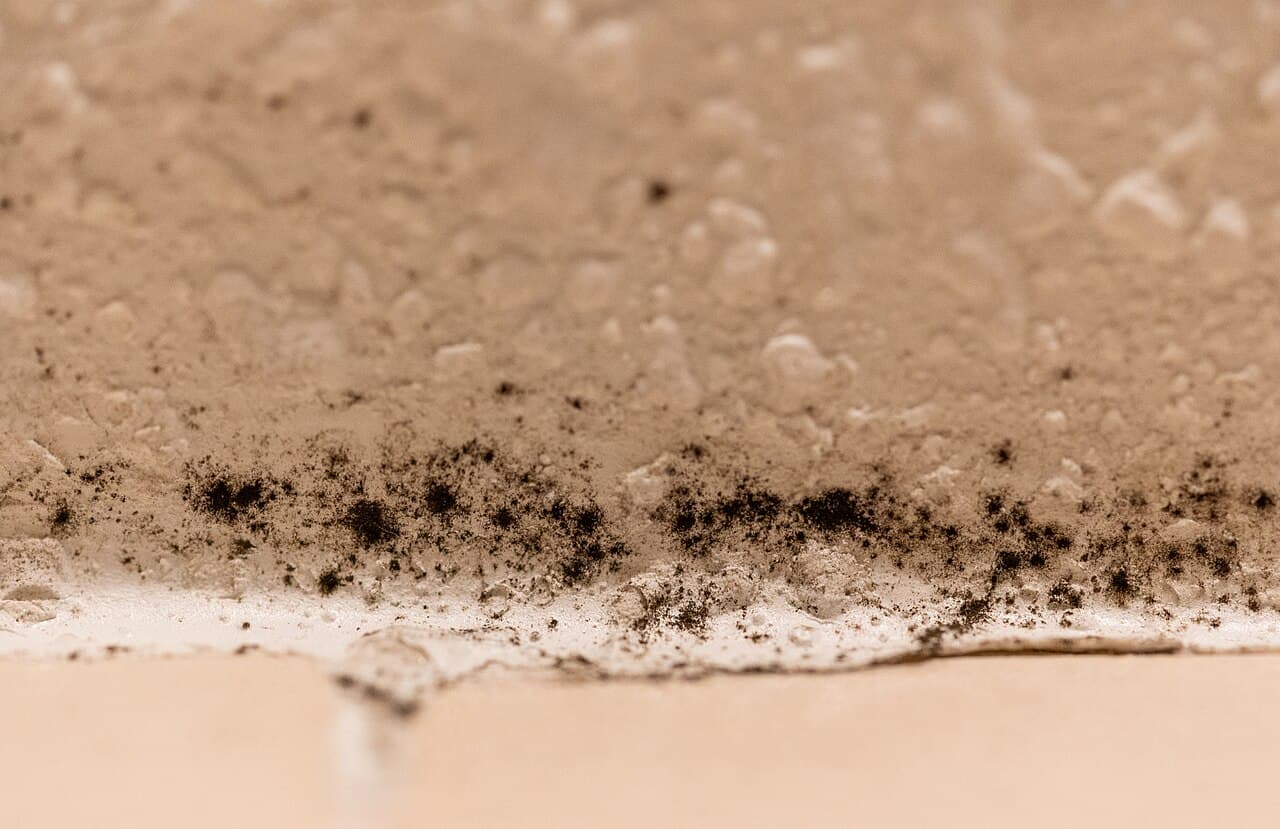
Damp that builds up slowly is another story. Condensation, rising damp, leaks that drag on for months and problems caused by lack of maintenance often appear among the exclusions. The answer for your case is in the policy's general, special and specific conditions — check the specific conditions (condições particulares) before assuming you are, or are not, covered.
Two examples. A hot-water pipe bursts inside the kitchen wall of a 1980s block and soaks the living room floor: the textbook water damage case. Mould in the corners of a north-facing bedroom, which comes back every winter with 75% humidity at 7 am, is condensation — and is almost never treated as a claim.
Water damage or gradual damp: the difference that decides
Insurance is meant to cover the unexpected, not wear and tear. So the question the loss adjuster asks is simple: did this happen suddenly, or did it build up over time?
| Situation | Tends to be covered? | Why |
|---|---|---|
| Burst pipe inside the wall | Often yes | Sudden, accidental event |
| Washing machine or toilet cistern overflowing | Often yes | Sudden event |
| Leak upstairs wetting your ceiling | Often yes (via your policy or the neighbour's) | Accidental source in another unit |
| Mould from condensation | Rarely | Gradual, linked to use and the building |
| Rising damp (band up to 1 m on the ground floor) | Rarely | Gradual construction problem |
| Water ingress through the façade or roof for years | Often excluded | Gradual or lack of maintenance |
| Worn grout and silicone on the shower tray | Often excluded | Wear and maintenance |
| Water coming in during a storm | It depends | Some policies cover natural events, with conditions |
If you don't know the cause, the free diagnosis gives a probability for condensation, rising damp and water ingress, with a leak alert. It doesn't decide cover — that is the insurer's call — but it helps you judge whether a claim makes sense. See also the guide on water ingress.
Typical exclusions to look for in your policy
The exact wording varies from insurer to insurer, but these exclusions come up often. Look for them in the general and special conditions:
- Gradual or progressive damage, including damp, condensation and mould.
- Lack of maintenance or upkeep of the property and its plumbing.
- Deterioration of grout, seals and silicone.
- Water ingress through walls, façades, roofs or terraces, except when caused by a covered natural event.
- Damage to homes left unoccupied for longer than a set period.
- The cost of repairing the faulty pipe or appliance itself — sometimes only the damage it caused is covered.
Check the excess (franquia) too: the amount you always pay on each claim. For small damage, a claim may not be worth it. And check whether the policy includes fault-finding or plumber assistance — some do, which helps locate the source without paying for leak detection, which costs from a few hundred euros.
What to document when you discover the damage
- Contain the damage: turn off the stopcock, switch off the electricity in the affected area if water is near sockets, move furniture away.
- Photograph and film before cleaning up: the patch, the source if visible, damaged belongings, with date and time.
- Measure, if you can: a hygrometer (~€10) and repeated photos from the same angle show how it develops.
- Keep parts and invoices: the cracked pipe, the plumber's invoice, receipts for damaged belongings.
- Don't do the permanent repair before the insurer has seen the damage or authorised it in writing, except what is essential to stop the water.
How quickly do you have to report the claim?
Quickly. Policies set a deadline for reporting a claim and, if the contract sets none, the Portuguese insurance contract law (regime jurídico do contrato de seguro) points to the 8 days after you become aware of it. Check the exact deadline in your policy's conditions.
There is also a practical reason: the more time passes, the more gradual the damage looks. A patch that grows for four months before being reported invites the insurer to ask why nobody acted. Report it straight away, even if you don't yet know the exact source, and add information later.
The process usually follows these steps:
- Report to the insurer, by phone, online account or broker, with photos and a description of what happened.
- Visit by a loss adjuster (perito), who assesses the source, the extent of the damage and whether the event falls within the cover.
- Assessment report and the insurer's decision, with the proposed amount and the excess deducted.
- Repair, carried out by whoever the insurer appoints or by someone you choose, depending on the policy.
Who claims: your policy, the neighbour's or the condominium's?
It depends on where the water came from and who has insurance. The table sums up the most common cases.
| Source of the water | Policy usually involved | Notes |
|---|---|---|
| Your unit's plumbing | Yours (water damage) | If you rent, tell the senhorio (landlord): the building policy is usually theirs; contents cover is yours |
| The upstairs neighbour's unit | Yours and/or the neighbour's (third-party liability) | Claiming on your own insurer is often quicker |
| Common parts (stack, roof, façade) | The condomínio's (owners' association), if it covers water damage | The only insurance required by law is fire cover |
| Unknown source | Yours, to start the process | The assessment helps find the source |
If you rent, notify your landlord in writing. The site generates a free template letter on the tenants page, on the condominium page and from your diagnosis result — it is a template, not legal advice. See also the guides on damp from the upstairs neighbour and common parts of the condominium.
Technical report and next steps
When the insurer considers the damage gradual, or when the source is disputed, a technical report with readings and dated photos helps establish the facts. humidade.pt is preparing an insurance report service (relatório para seguro), which will appear under services. It documents the likely cause and the state of the home; it does not guarantee any decision by the insurer.
If you disagree with a decision, ask for the reasons in writing. You can use the Livro de Reclamações (official complaints book, also online) and seek support from DECO. To deal with the cause after the claim, see the guides on condensation and mould on the ceiling.
Frequently asked questions
Rarely, when the mould comes from condensation or damp that built up over time: that is gradual damage, often excluded. If mould appears after a covered event, such as a burst pipe, cleaning and repainting may be part of the claim. Check your policy's specific conditions and document the source with dated photos.
Compare the repair cost with the policy excess: if it is below or close to it, a claim may not be worth it. Even so, if the water came from another unit or the common parts, tell the neighbour or the management in writing, because another policy may pay. Keep photos and invoices in case the damage comes back.
It depends on the lease: some require the tenant to take out insurance, others don't. The building policy is normally the landlord's. Contents insurance protects your belongings and may include third-party liability, useful if a leak in your home wets the neighbour below. Read the lease and check the conditions of whichever policy you choose.
It can. Many policies exclude gradual damage and lack of maintenance, and a leak that has been dripping for months raises that question. That is why it pays to report as soon as you notice the problem, with dated photos and the repair invoice. If you disagree, ask for the reasons in writing and check the policy's specific conditions.
Some policies include fault-finding or plumber assistance; in that case the insurer handles the detection. If not, the cost normally falls on the owner of the unit where the fault is and starts at a few hundred euros. Before hiring anyone, call the assistance line and confirm what is covered.
SOURCES
- Regime Jurídico do Contrato de Seguro (Insurance Contract Law, Decree-Law 72/2008), art. 100
- Código Civil (Civil Code), arts. 1421, 1424 and 1429 (horizontal property and fire insurance)
- Prices observed on Google.pt, cume.pt, Zaask and Habitissimo, Oct 2026