Is black mould at home dangerous? What the evidence says
Colour doesn't tell you whether a mould is «toxic», and testing it at home rarely changes what you should do. What matters: clean carefully and fix the damp.
- The WHO links persistent damp and mould with more respiratory symptoms; a one-off patch cleaned in time is not an emergency.
- Colour doesn't identify toxic mould and home test kits don't change what you should do: clean it and fix the damp.
- Areas over ~1 m², porous materials or mould that comes straight back justify a professional; protect the most sensitive people.
IN THIS GUIDE
Is black mould at home dangerous?
The short answer: mould at home is good for nobody, but a black patch in the corner of the bedroom is no reason to panic. In 2009 the World Health Organization (WHO) concluded, in its guidelines on dampness and mould indoors, that there is sufficient evidence of an association between persistent damp and mould and respiratory symptoms, as well as asthma.
Association means that, on average, people who live with damp and mould for months have more respiratory complaints. It doesn't mean every patch is dangerous, or that everyone in a mouldy home will fall ill. What counts is prolonged exposure, not a one-off episode cleaned up in time.
The problem is common in Portugal: according to INE (2025), 32.1% of residents live in homes with damp or leaks. So the useful question isn't «what mould is this?» but «where does the damp come from and how do I stop it?». The article damp and health goes into what is proven and what is exaggerated.
Does the colour of mould tell you if it is toxic?
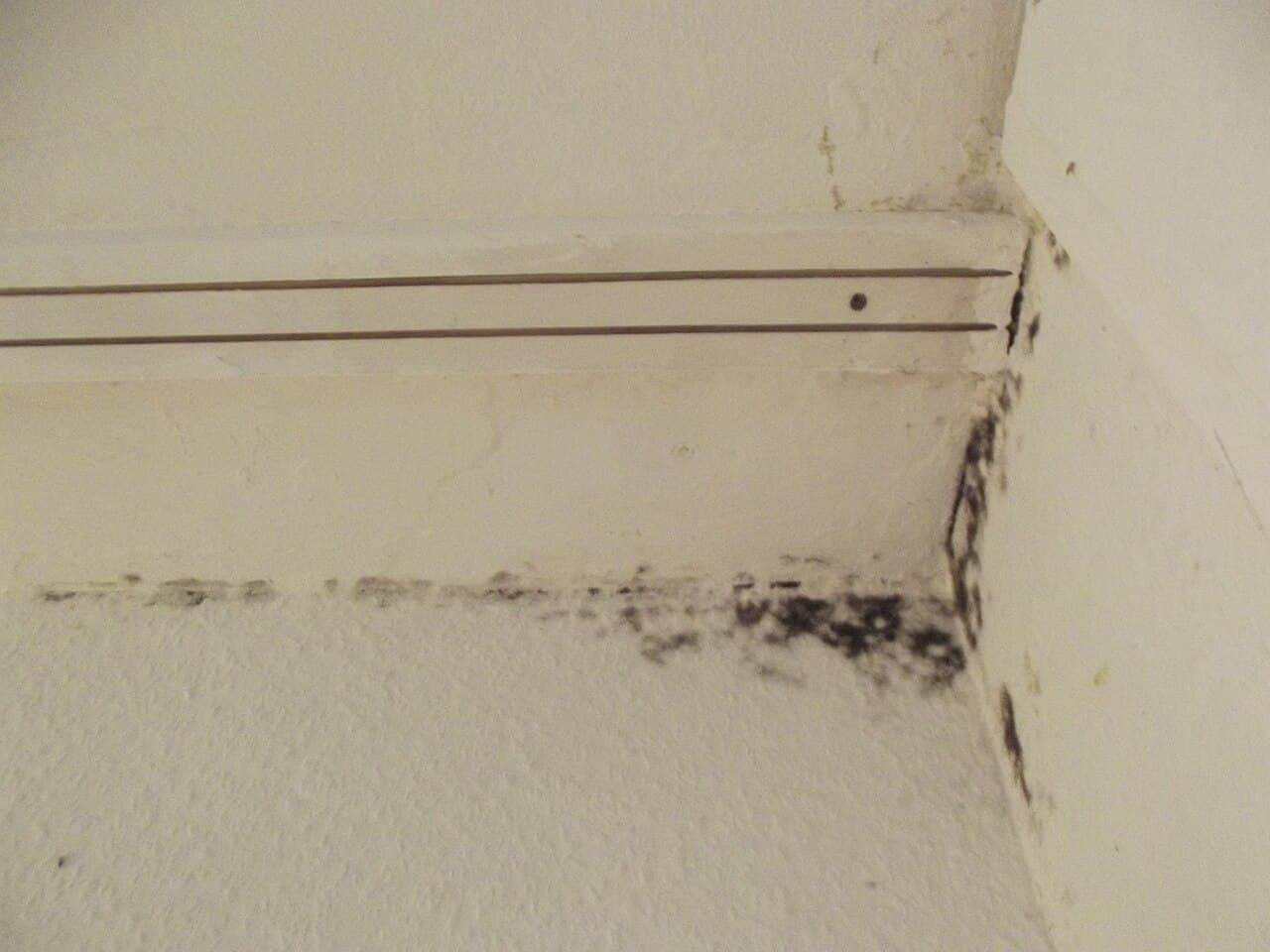
No. «Black mould» isn't a species: it is a description. Many common household fungi turn black, dark green or grey, and the same species can change colour depending on the age of the colony, the surface it grows on, light and humidity. There is no way of telling by eye whether a mould produces irritant or toxic substances.
Stories about «toxic black mould» circulating online and in some adverts mix real cases, often in buildings with severe, long-term water damage, with ordinary condensation patches. Be wary of anyone using the colour of mould to sell urgent work.
| Common claim | What is known |
|---|---|
| «Black mould is always toxic.» | No. Colour identifies neither the species nor its toxicity. |
| «White or green mould is harmless.» | Not that either. Any persistent mould justifies cleaning and fixing the damp. |
| «A small patch means evacuating the home.» | Exaggerated. Clean it carefully and treat the cause. |
| «Persistent damp and mould are linked to respiratory symptoms.» | Yes, according to the WHO's 2009 guidelines. |
Is it worth having the mould tested?
In the vast majority of homes, no. Home kits with culture plates catch spores that exist in every home, indoors and out, and the result — «mould grew on the plate» — is practically guaranteed. It doesn't tell you how much mould is on the walls or whether it is behind any complaint.
More importantly, the result doesn't change what you need to do. Whatever the species, the steps are the same — clean visible mould safely, remove heavily contaminated materials and fix the damp feeding it. The WHO approach points the same way: rather than «safe» levels of mould, it recommends preventing and correcting persistent damp in buildings.
A laboratory analysis, with sampling by a technician, can make sense in specific situations, for example when a doctor asks for it or after a flood in a large building. For a patch in a bedroom, save that money and spend it on the cause.
How to clean black mould safely
For small patches on smooth surfaces — paint, tiles, window frames, glass — you can clean it yourself. The rule is not to spread spores and not to expose yourself more than necessary:
- Open the window and close the room door so dust doesn't travel through the home.
- Wear rubber gloves, a well-fitting mask and, ideally, goggles.
- Don't brush or scrape dry: dampen the surface first so spores don't come loose.
- Clean with diluted bleach, 1 part to 4 of water, or with an anti-mould product, applied with a cloth or sponge.
- Then wipe with clean water and dry the surface well.
- Put cloths and sponges in a closed bag and throw them away; wash your hands and the clothes you wore.
Use biocides safely. Always read the label and product information before use.
Porous materials are a different matter. Plasterboard, wallpaper, carpets, mattresses, cushions and bathroom silicone absorb mould inside and rarely come clean. As a rule, it is wiser to replace them once the damp is fixed. For bathroom silicone, remove the old bead and apply a new one to a dry surface.
When to call a professional
DIY cleaning has limits. It makes sense to get professional help when:
- the mouldy area is over about 1 m², adding up the patches in the room;
- the mould is in porous materials that are hard to remove, such as false ceilings, insulation or timber structures;
- it comes back within a few weeks of cleaning, a sign the cause is still active;
- it appears after a flood, a plumbing leak or water ingress;
- you suspect hidden mould behind fitted furniture, inside walls or under the floor, often given away by a musty smell;
- someone at home has asthma, a respiratory illness or reduced immunity and nobody else can do the cleaning.
Professional mould cleaning costs from €48, according to observed prices, but it only lasts if the damp is fixed. Many companies offer a free visit and sell their own system; always ask for the cause to be written in the quote.
How to protect children, older people and people with asthma
Some people tend to feel the effects of a damp home more: young children, older people, those with asthma, allergies or chronic respiratory conditions, and those with a weakened immune system. It is no reason for alarm, but it is a good way to set priorities.
- Someone else should do the cleaning, with the more sensitive person out of the room.
- The bedroom where that person sleeps is the priority: it is where they spend the most hours in a row.
- Keep relative humidity between 40% and 60%, measured at 7 am with a ~€10 hygrometer.
- Avoid drying laundry and using gas or paraffin heaters in that bedroom: they release water vapour.
This site doesn't give medical advice. If someone has a cough, wheezing or shortness of breath that persists, or if someone's asthma gets worse for no obvious reason, talk to your GP (médico de família) or call SNS 24 (808 24 24 24), the national health helpline.
Cleaning isn't enough: find out where the damp comes from
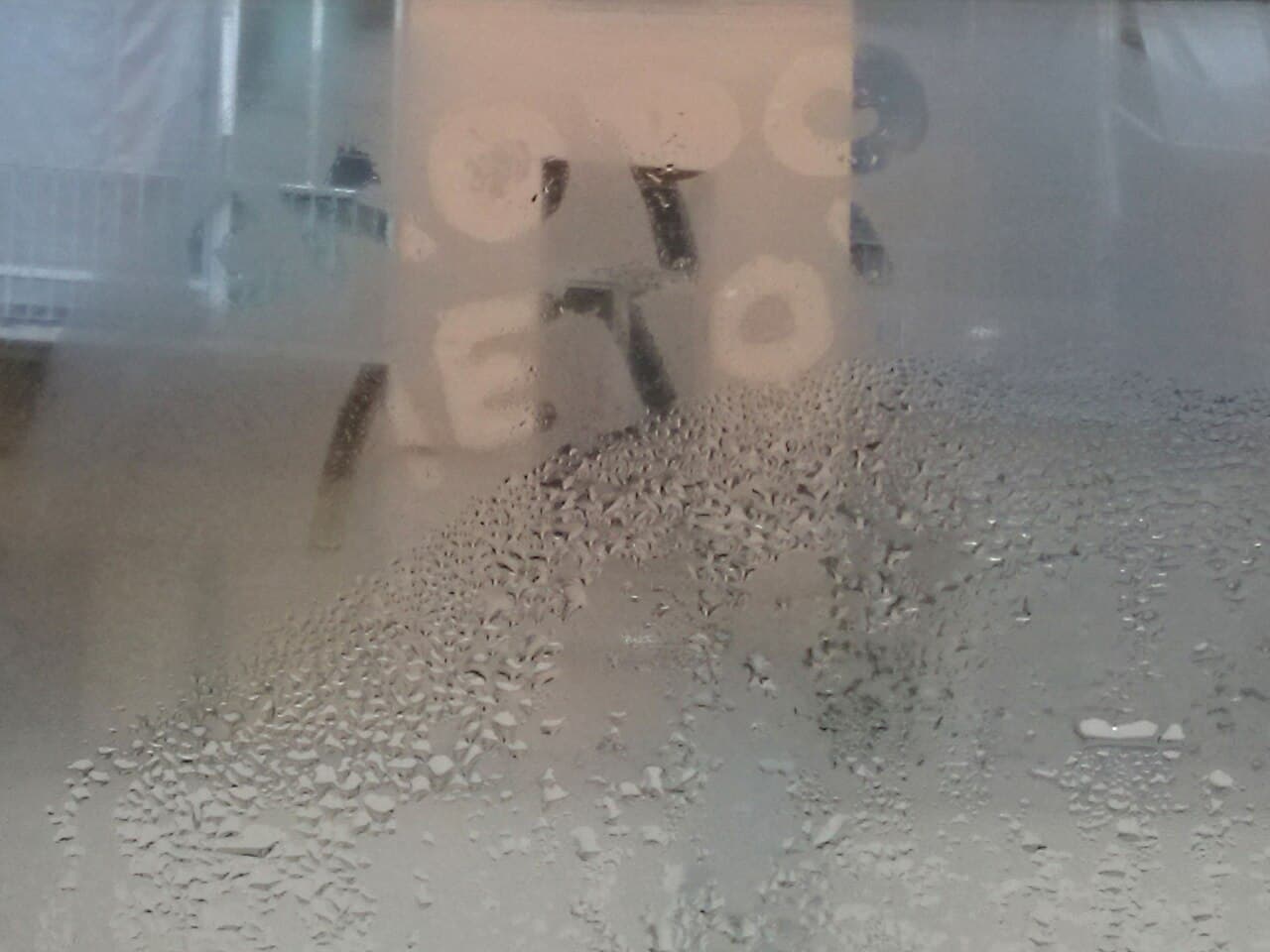
Mould is the symptom; damp is the cause. In flats the most common cause is condensation: water vapour turns into water on cold surfaces, and mould grows when humidity at the surface stays above ~80% for days, even with no visible droplets. Upper corners, behind wardrobes and around aluminium windows are the typical spots.
It can also come from water ingress, a leak or, on the ground floor, rising damp. Each is solved differently. The free diagnosis asks 12 questions about your home and gives a probability for each cause; the guide on mould explains the next steps.
Frequently asked questions
A small patch, cleaned and with humidity under control, doesn't justify changing rooms. If the mould is extensive, keeps returning or the room smells musty, it is sensible to clean first, ventilate and, if someone has asthma or allergies, sleep in another room until it is sorted. Persistent respiratory symptoms should be discussed with a doctor.
Diluted bleach removes and decolourises mould on smooth, non-porous surfaces such as tiles, glass or washable paint. On porous materials such as plaster or wood it works mainly on the surface and mould tends to return. Either way, cleaning only lasts if the damp feeding the mould is corrected. Always wear gloves and a mask and keep the window open.
Yes. Behind wardrobes against outside walls, under carpets, inside kitchen cupboards near pipes or behind plasterboard panels. The most common sign is a persistent musty smell in an area where nothing is visible. Move furniture away from the wall and inspect with a torch before thinking about any testing.
A purifier with a suitable filter can capture some of the spores in the air, but it does nothing about mould growing on the walls or the damp feeding it. At best it is an add-on. Spending first on ventilation, a hygrometer and, if needed, a dehumidifier usually has a much bigger effect.
SOURCES
- WHO — Guidelines for indoor air quality: dampness and mould (2009)
- INE — Survey on Income and Living Conditions, 2025
- Regulation (EU) No 528/2012 concerning biocidal products
- Prices observed on Google.pt, cume.pt, Zaask and Habitissimo, Oct 2026