Home and health: ideal humidity, mould and everyday habits
Indoor relative humidity should, as a rule, sit between 40% and 60%. Above that for long periods, cold surfaces get damp and mould finds the conditions to grow; well below it, the air feels dry and uncomfortable. In Portugal the usual problem is too much: 32.1% of residents live in homes with damp or leaks, and 63.2% of Lisbon residents report thermal discomfort in winter.
These guides are for anyone who wants to understand how everyday habits affect the home, such as drying clothes indoors, using gas heaters or living with aluminium windows without a thermal break, and for anyone wondering what the evidence says about damp and health.
The key idea: small habits change the numbers. A gas heater warms the room but also releases water vapour as it burns; clothes drying in the living room are part of the roughly 10 litres of water a family of four puts into the air every day. Start with ideal humidity at home and, if you have health questions, read damp and health.
Start here
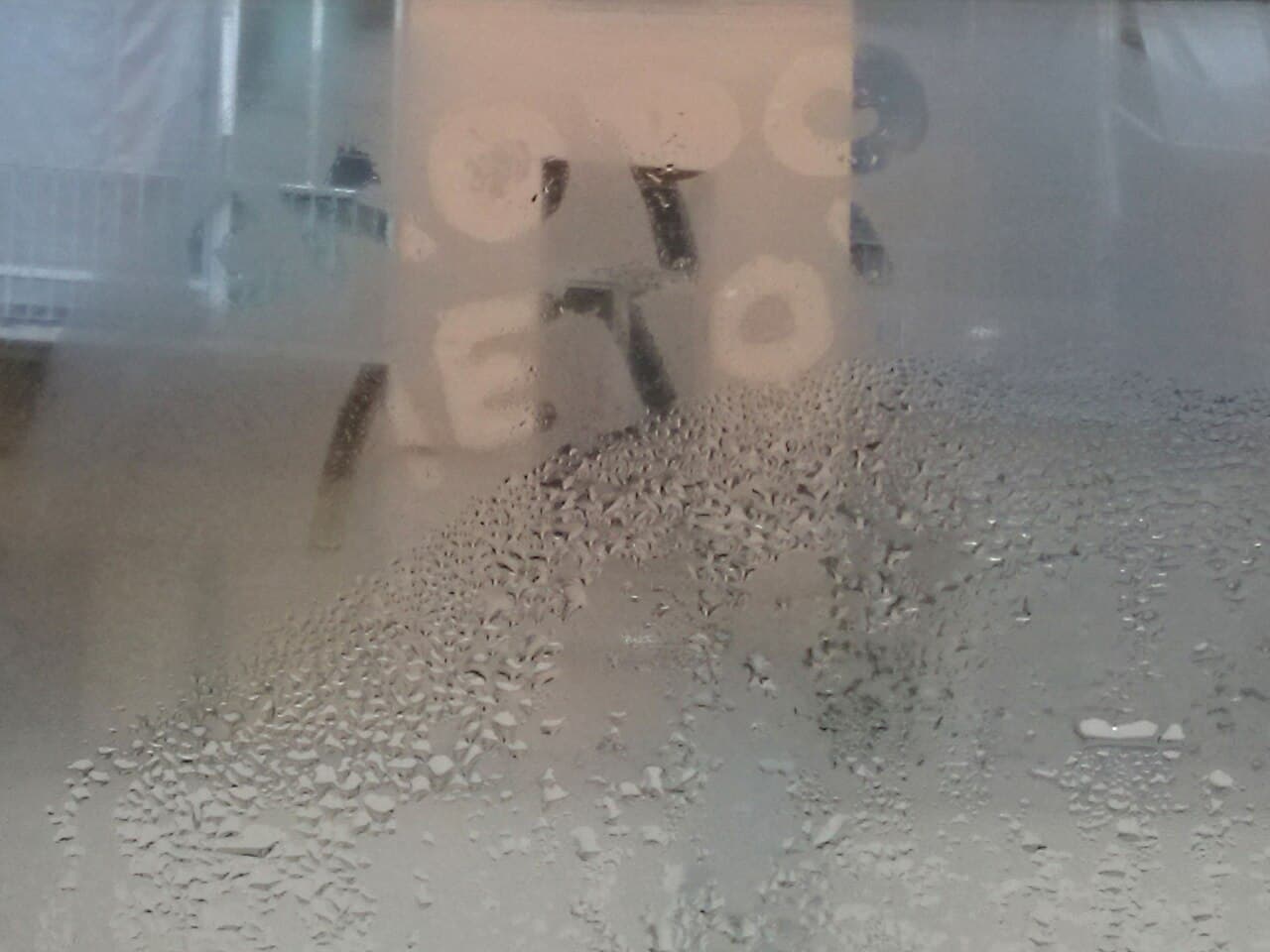
Ideal humidity at home: levels by room and season
Between 40% and 60% for most of the year. Why the 7am reading is the one that matters, and what to do above 70% or below 35%.
Full guide →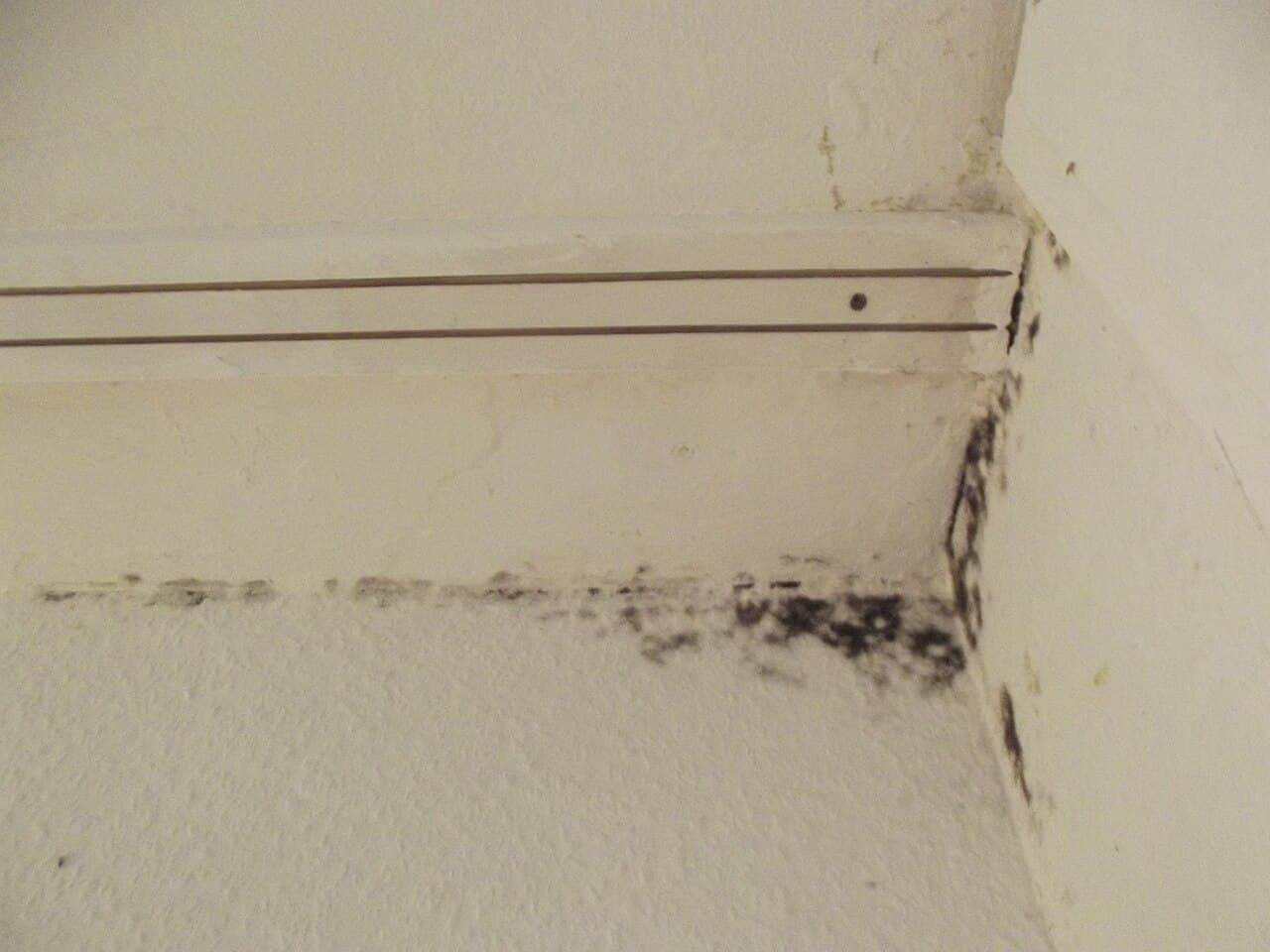
Damp and health: what the evidence says (without scaremongering)
What the WHO guidelines say about damp, mould and health, what's exaggerated, who is more sensitive and when to talk to a doctor.
Full guide →Drying laundry indoors without causing mould
One wash load releases about 2 litres of water into the air. How to dry it without soaking the walls.
Full guide →All guides on this topic (8)
Gas heaters and damp: the hidden problem
They give out heat, but also water vapour — and can give off carbon monoxide. Why they make condensation worse and what to use instead.
Full guide →Aluminium windows without a thermal break and condensation
One of the most common window frames in Portuguese homes is also the coldest. Why water runs down it, what to do now and what to ask before replacing.
Full guide →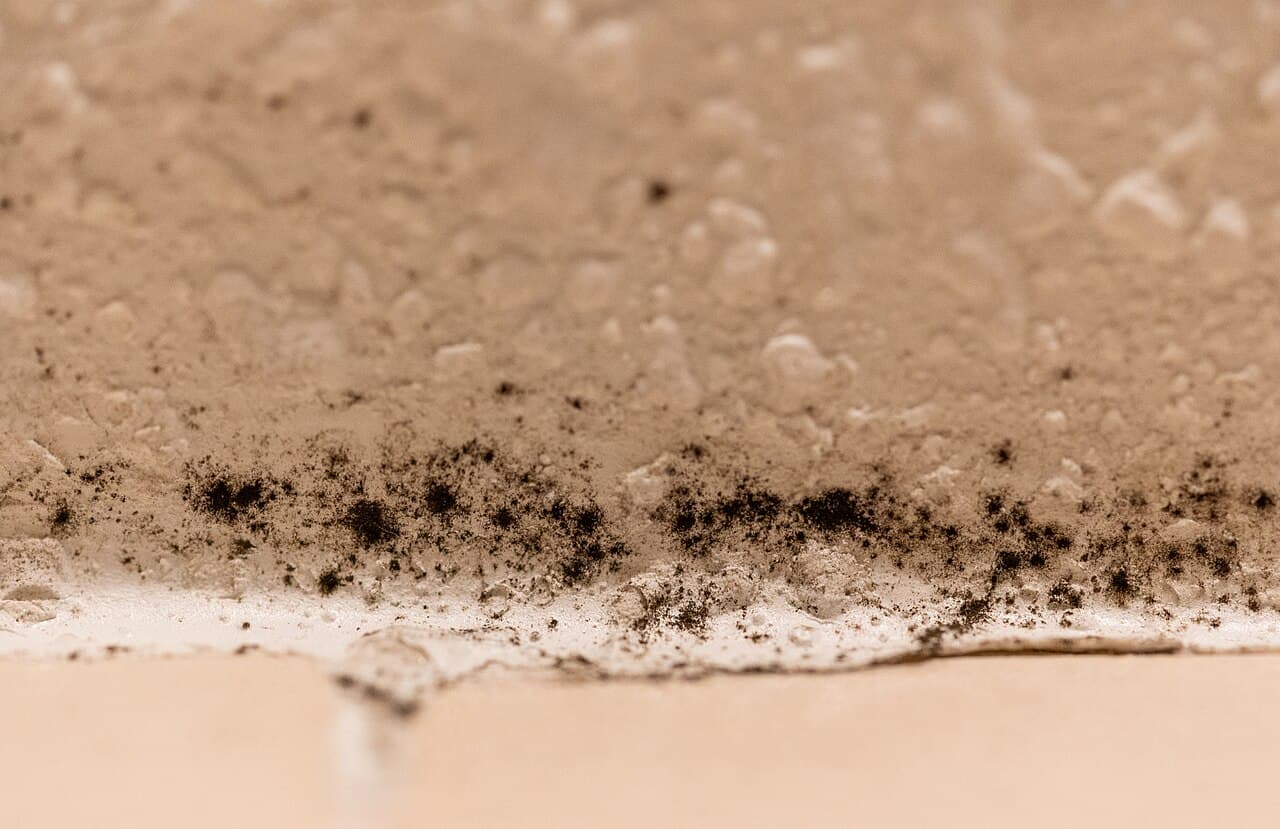
Musty smell at home: where damp smells come from and how to get rid of them
A musty smell is almost always mould you can't see yet. Where to look, how to tell it apart from a drain smell and what fixes it for good.
Full guide →Is black mould at home dangerous? What the evidence says
Colour doesn't tell you whether a mould is «toxic», and testing it at home rarely changes what you should do. What matters: clean carefully and fix the damp.
Full guide →Cold home and damp: insulation, windows and heating
Cold walls are where moisture condenses. Thermal bridges, single glazing, external or internal insulation, how to heat and what to do first on each budget.
Full guide →Frequently asked questions
The WHO's 2009 guidelines link indoor damp and mould with more respiratory symptoms and asthma, especially in children and people with respiratory conditions. That does not mean a small patch is an emergency. Clean it, fix the cause and, if someone at home has persistent symptoms, talk to your GP (médico de família).
On washable surfaces you can use diluted bleach, 1 part to 4 parts water, with gloves, a mask and the window open, and never mix it with other products. If you prefer an anti-mould spray, remember that it is a biocide. Use biocides with care. Always read the label and product information before use. Cleaning does not remove the cause.
As a rule, no: the 40–60% relative humidity range applies to the whole home, including a child's room. More important than hitting an exact number is avoiding many hours in a row at around 70% or above, because next to cold walls the humidity rises even higher. A hygrometer of about €10 shows what happens during the night.