Musty smell at home: where damp smells come from and how to get rid of them
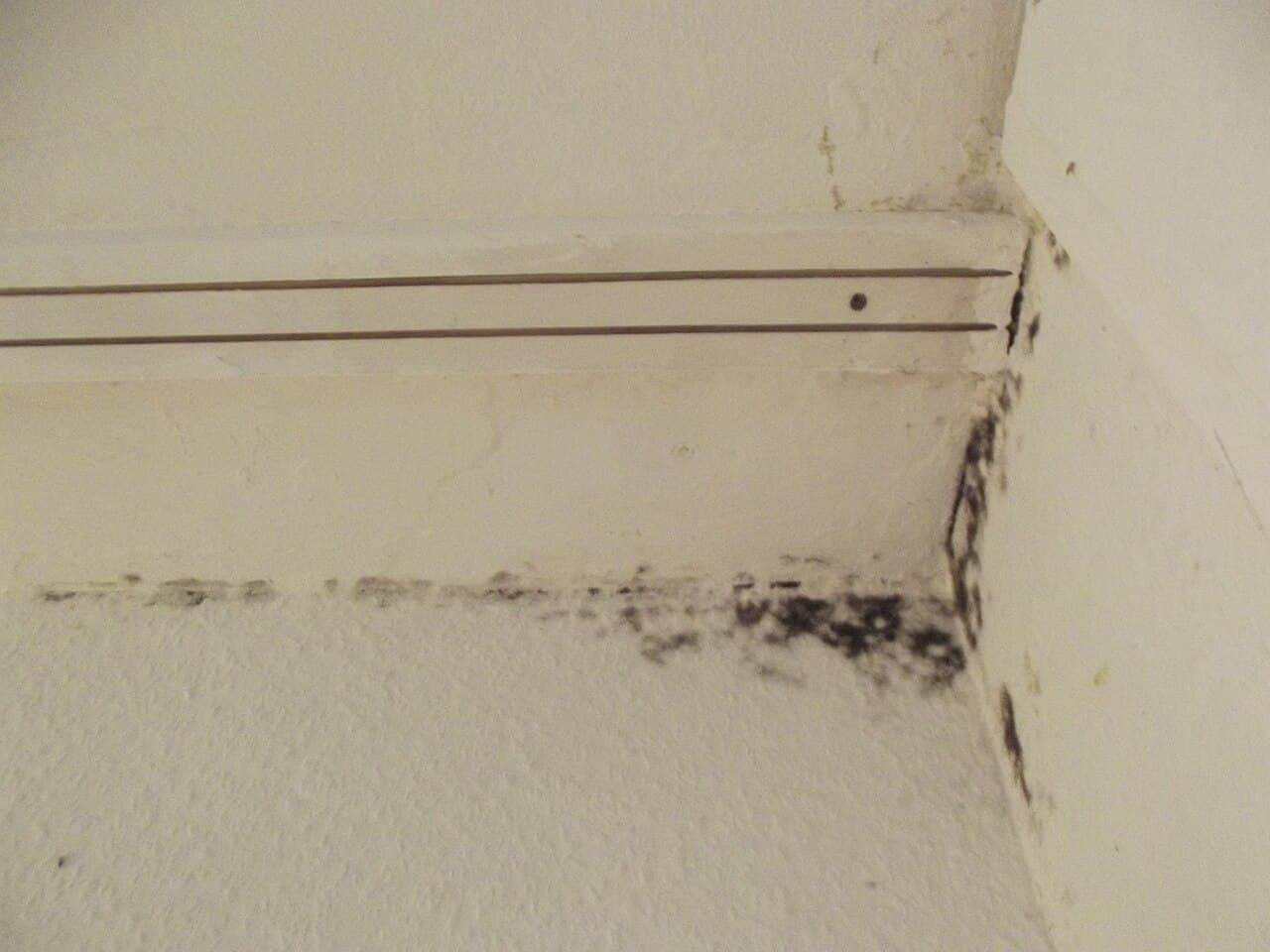
A musty smell is almost always mould you can't see yet. Where to look, how to tell it apart from a drain smell and what fixes it for good.
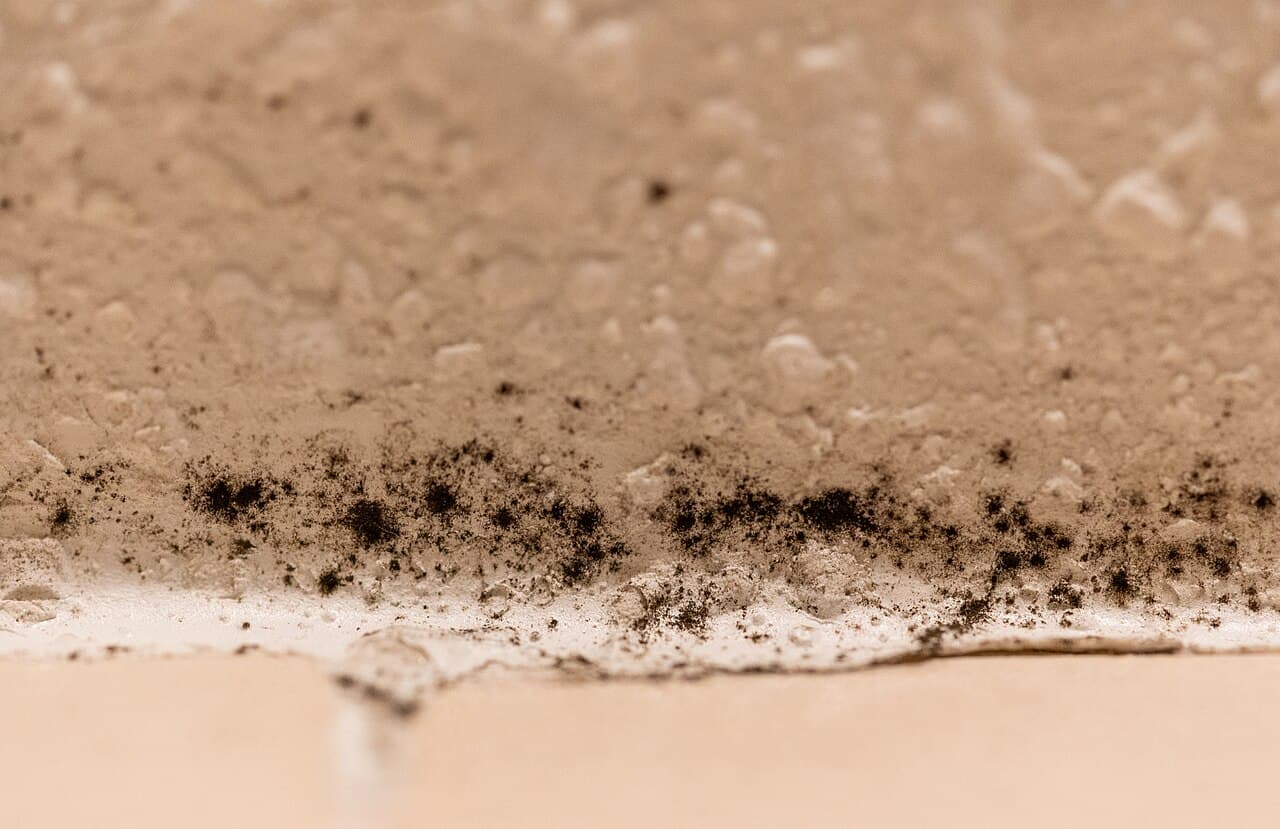
- A musty smell comes from growing mould, often hidden behind wardrobes, under the kitchen sink or in basements.
- A sewage smell is something else: usually a dry or badly sealed trap, fixed with water or by a plumber.
- Air fresheners and absorbers only mask it. The smell only goes when surfaces stop being damp.
IN THIS GUIDE
Why does my home smell damp?
A musty smell — that smell of wet earth, cellars, clothes stored too long — comes from compounds released by moulds and bacteria growing on damp materials. You can often smell it weeks before any visible stain appears.
Mould doesn't need dripping walls. It only needs the humidity right at a surface to stay above ~80% for a few days. That happens behind a wardrobe pushed against a cold wall, inside a closed cupboard or under a sink with a small leak.
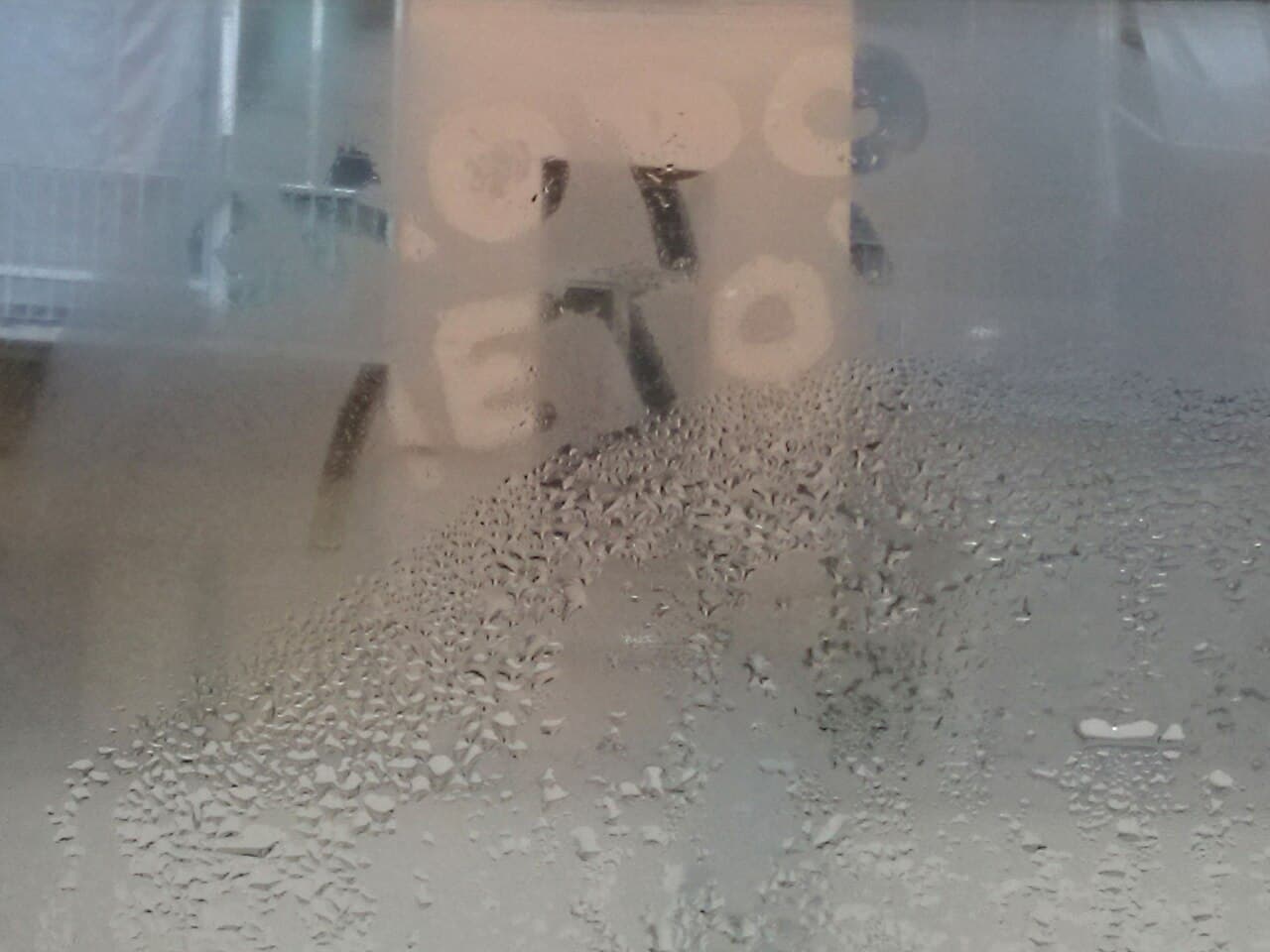
In winter it gets worse: windows shut, laundry drying indoors and a family of four putting about 10 litres of water into the air every day. If your home smells musty mainly in the morning or when you get back from work, moisture is building up — and somewhere a surface is growing mould.
Mould, drains or something else? How to identify the smell
| Smell | Likely source | Where to look | What to do |
|---|---|---|---|
| Musty, damp earth, cellar | Mould or damp materials | Behind furniture, inside wardrobes, basements, storerooms | Find the damp surface and dry it |
| Sewage, rotten eggs | Dry trap, drain without water, toilet seal | Rarely used drains, guest bathroom, kitchen sink trap | Run water in every drain; if it persists, a plumber |
| Damp laundry, «wet dog» | Laundry that dried slowly or a dirty washing machine | Indoor drying rack, washing machine door seal | Dry faster, clean the seal and filter |
| Damp wood, dust | Damp flooring, skirting or furniture | Floorboards by outside walls, chipboard furniture | Look for a leak or ingress underneath |
Telling the smells apart saves time. A trap with no water lets sewer gases up and is fixed in seconds; hidden mould means finding the source and cutting off the moisture.
Traps dry out by evaporation in drains left unused for weeks: the bidet, the floor drain in a guest bathroom, the kitchen sink of a home left closed. If the sewage smell returns within a few hours of running water, the trap or seal is damaged and it's a job for a plumber.
Where hidden mould lurks
- Behind wardrobes and beds pushed against outside walls — air doesn't circulate and the wall is colder.
- Inside wardrobes: the back panel, shoes, suitcases and cardboard boxes stored on the floor.
- Under the kitchen sink and the washbasin: dripping traps, badly sealed waste pipes, swollen chipboard at the base of the unit.
- Behind the fridge and the washing machine, where there may be condensation or small hose leaks.
- In the washing machine door seal and filter, where water sits between washes.
- Under rugs and floating floors on ground floors and in basements.
- By the windows: curtains touching the glass, roller-shutter boxes, tracks of aluminium frames.
- In false ceilings and behind tiles, when there's slow ingress or a leak in the flat above.
Air conditioning can also smell musty when it switches on: the condensate tray and filters stay damp between uses. Clean the filters following the manufacturer's instructions and, if the smell persists, have the indoor unit cleaned.
How to find the source of a musty smell
- Close the internal doors at night. In the morning, walk into each room coming from outside: the room where the smell is strongest is your starting point.
- Open wardrobes and cupboards and move furniture away from outside walls. Shine a torch on the backs of furniture and along the skirting.
- Open the cupboards under sinks and basins. Put dry kitchen paper under the traps, run the water for a minute and see whether it gets wet.
- Measure the humidity at 7am in each room with a ~€10 hygrometer. Above 70% for several days in a row, condensation is likely.
- Measure suspect walls with an infrared thermometer (€15–20) and compare with the dew point calculator.
- Turn off every tap and check whether the water meter moves. If it does, there's a leak — and the smell may come from it.
If you then find stains, the diagnosis helps you work out whether the cause is condensation, ingress, rising damp or a leak. Choose «smell» for the appearance and say where you notice it.
Quick fixes and fixes for the cause
Quick fixes remove the smell for a few days or weeks. They're worth doing, but they only solve the problem when paired with fixing the cause.
| Quick fix | Fix for the cause |
|---|---|
| Air for 5–10 minutes with opposite windows open | Regular daily ventilation; PIV (VMI) if airing isn't enough |
| Clean visible mould with diluted bleach | Bring the room's humidity down to 40–60% |
| Wash smelly clothes, curtains and fabrics | Move furniture away from outside walls |
| Absorber in the wardrobe (~€9, refills ~€1,50) | 10–12 L/day compressor dehumidifier (from ~€90) |
| Run water in rarely used drains | Repair traps, leaks and ingress |
To clean mould, use diluted bleach — 1 part to 4 of water — wearing gloves and a mask with the window open, and never mix it with other products. Use biocides safely. Always read the label and product information before use.
Absorbers work well in small, closed spaces such as wardrobes and cupboards; in a whole room they make no difference. The guide do damp absorbers work? explains the limits. Air fresheners and scented candles just cover the smell: the mould keeps growing underneath.
Basements and ground floors: when the smell comes from below
Basements almost always smell damp. They're in contact with the ground, cold and poorly ventilated. Water can rise by capillary action, come through buried walls or condense on cold surfaces — often all three at once.
One detail surprises people: in summer, opening the windows of a cold basement in the heat of the day can increase the humidity. Warm, humid outdoor air cools as it comes in and the water condenses on the walls. Air the basement early in the morning or at night, when the outside air is cooler.
In basements and rooms below ~15 °C, a desiccant dehumidifier usually works better than a compressor one. There's more in the guide damp in basements and ground floors and on the basement page.
In basements, store things in closed plastic boxes rather than cardboard, away from the walls and raised off the floor on shelves or pallets. Cardboard and fabrics absorb moisture and are among the first materials to grow mould.
When to ask for help
Ask for a professional opinion if the smell persists after 2–3 weeks of airing, cleaning and measuring; if you can't find any visible source; if the water meter moves with everything off; or if the smell gets worse after rain. In these cases water is getting in from somewhere and the problem isn't just habits.
- Traps, hoses and plumbing leaks: a plumber (canalizador).
- Stains after rain, on the ceiling or by the windows: a builder or waterproofing company — or the condomínio (owners' association), if the source is a common part.
- Mould spread across several rooms that returns after cleaning: measure the humidity and consider mechanical ventilation.
Professional mould cleaning costs from €48, but it treats the symptom. It makes sense once the cause is fixed, or when the area is large and nobody at home should be cleaning it.
If you rent, tell the senhorio (landlord) about the problem in writing, with photos and readings. The guide for tenants explains, in general terms, what the law provides.
Frequently asked questions
Wash the clothes at the highest temperature the fabric allows and dry them quickly, ideally outdoors. Before putting them back, clean the wardrobe, let it dry with the doors open and move it away from the wall. If the clothes smell again within a few weeks, the problem is the wardrobe or the wall behind it.
The smell itself is a signal, not the cause. According to the WHO's 2009 guidelines, living with damp and mould at home is associated with more respiratory symptoms and with asthma. It's no reason for alarm, but it is a reason to find and fix the source. If someone at home has persistent symptoms, talk to your doctor.
With the home shut, humidity builds up and materials don't dry. At the same time, the water in the traps evaporates and sewer gases can come up through the drains. When you arrive, open all the windows for 10–15 minutes and run water in every drain and basin. If the musty smell persists, look for hidden mould.
A purifier filters particles from the air and, if it has an activated carbon filter, reduces some odours. But it doesn't dry the surfaces where mould is growing, so the source stays active. It can help as an extra, never as the fix. The priority is to find the damp surface and bring the home's humidity down.
If the cause is condensation, yes, after a few days: with the room's humidity below 60%, surfaces dry and the mould stops growing. Set the humidistat to 50–55%. If the cause is a leak, ingress or rising damp, the unit fills its tank but the smell comes back, because the water keeps arriving.
SOURCES
- WHO — Guidelines for indoor air quality: dampness and mould (2009)
- Building physics: dew point (Magnus formula)
- Observed retail prices (hygrometers, absorbers, dehumidifiers), Oct 2026