Damp in a bathroom without a window: extractor fan, door and routine
Extractor fan, timer and a gap under the door: what works when shower steam has nowhere to go — and how to test your fan with a sheet of paper.
- Without a window, steam only leaves through a working extractor fan that can draw in air: a door gap or a vent.
- The fan should keep running for 15–20 minutes after the shower, on a timer or a humidistat.
- Test it with a sheet of paper: if it doesn't hold the sheet to the grille, airflow is weak or the duct is blocked.
IN THIS GUIDE
Why a windowless bathroom builds up damp
A hot 10-minute shower fills a small bathroom with steam very quickly. Right afterwards, relative humidity reaches 90–100% and the mirror, tiles and ceiling are streaming. In a family of four, showers are part of the roughly 10 litres of water that go into the home's air every day.
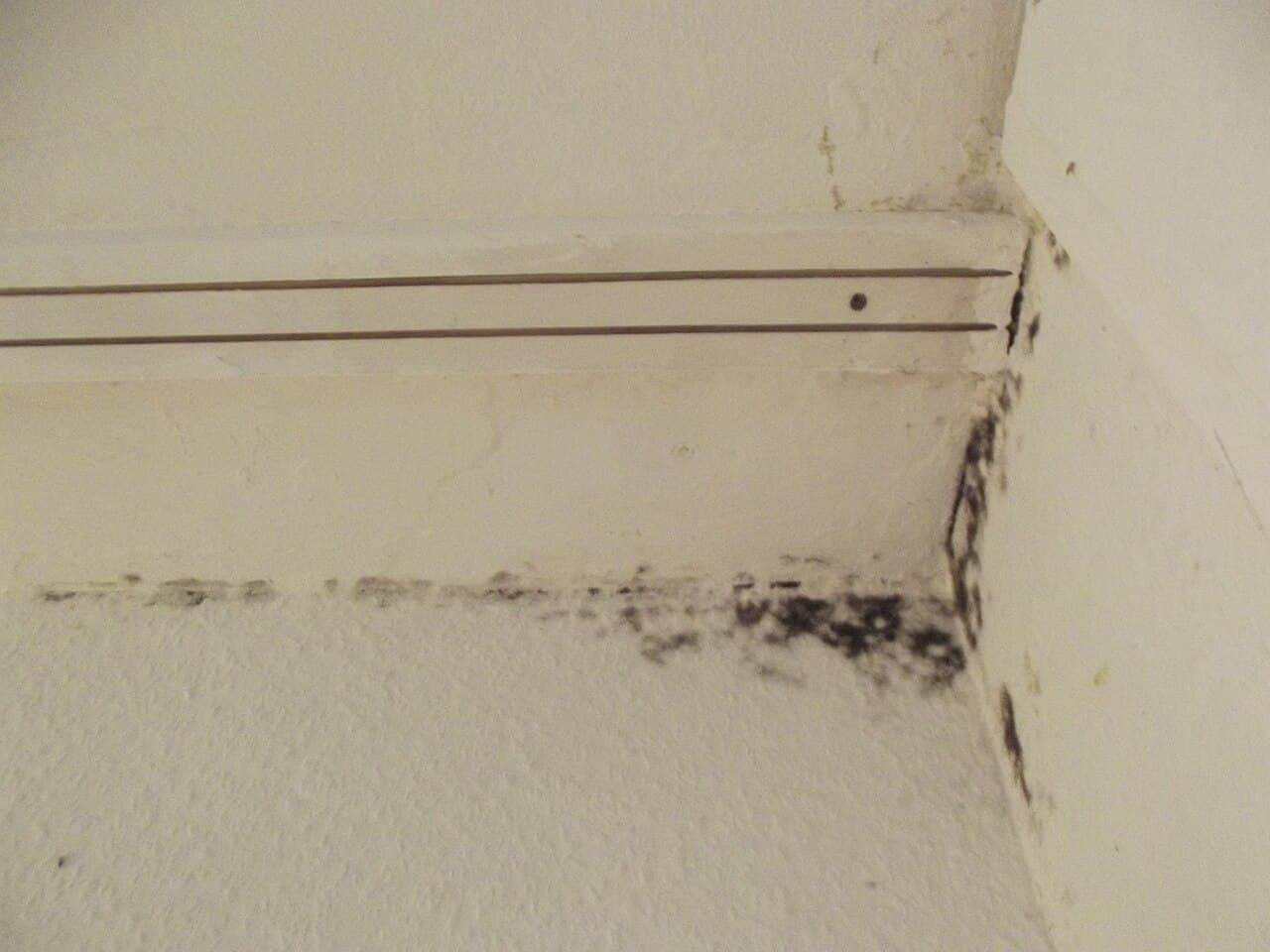
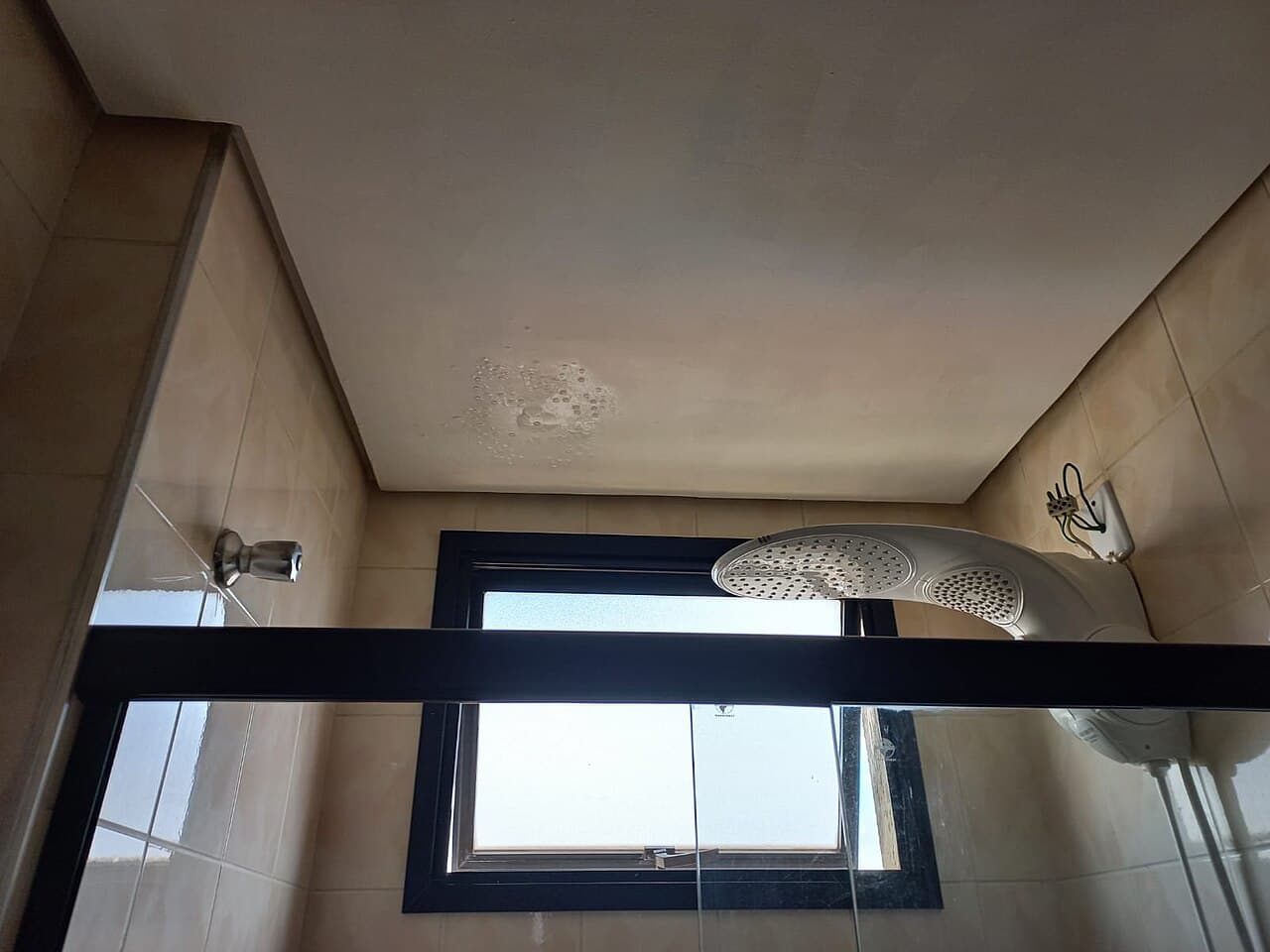
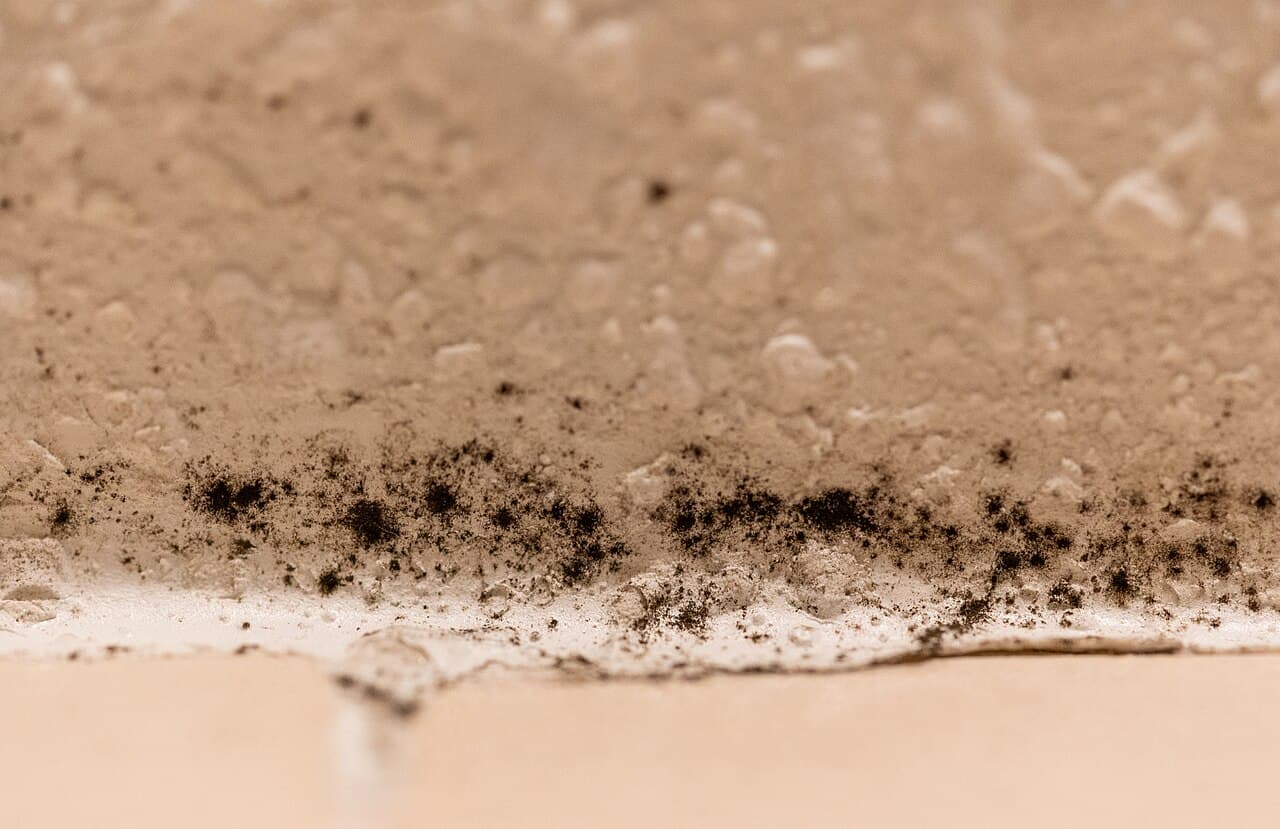
With a window, you just open it. Without one, the steam has only two ways out: the extractor fan or the rest of the home. If the fan is weak, dirty or switches off with the light, the steam lingers in the bathroom for hours and condenses on the coldest surfaces. The result is familiar: black spots on the ceiling, dark grout, stained silicone and a musty smell that won't go away.
The good news is that in most cases this is condensation, and it is fixed with three things: a fan that genuinely extracts, air coming in under the door and a short routine after every shower.
Bathroom extractor fans: which type and what airflow
Airflow is shown on the box in m³/h. For a reference point, work out the bathroom's volume: length × width × height. A 2 × 2.5 m bathroom with a 2.5 m ceiling is 12.5 m³. The fan should be able to replace that volume several times an hour — and the figure on the box is measured with no duct, so real airflow is always lower.
| Situation | Best type | Note |
|---|---|---|
| Direct outlet through the façade or a short, straight duct | Axial (propeller) | Simple and cheap; loses power on long ducts |
| Long duct with bends, or the building's shared shaft | Centrifugal or in-line | Holds airflow better against resistance |
| Several people showering in a row | With humidistat | Starts by itself when humidity rises |
In many 1960s–80s buildings, an internal bathroom connects to a shared shaft running up to the roof. Check that the grille really is connected to that shaft and has a backdraught valve, so you don't get air and smells from the neighbours. A fan that blows into a false ceiling extracts nothing: it just moves the moisture somewhere else.
Timer or humidistat: how the fan should work
The most common mistake is a fan wired to the light switch. The shower ends, the light goes off and the fan stops just when humidity is at its peak. The steam left in the air ends up on the walls.
| Control | How it works | Result |
|---|---|---|
| Light switch only | Stops when you leave the bathroom | Not enough |
| Timer | Runs on for 15–20 min after the light goes off | Good for most homes |
| Humidistat | Starts above the set level (e.g. 65–70%) and stops when it drops | The most automatic |
| Continuous low speed | Always extracts a little, boosts during showers | Good in very damp homes |
If you already have a basic fan, it is often enough to swap it for a timer or humidistat model in the same opening. In a whole flat with condensation, the answer may be mechanical ventilation for the entire home — see how much MVHR (VMC) costs.
How to test the extractor fan with a sheet of paper
You don't need any instruments to see whether the fan is extracting. A square of toilet paper or a sheet of A4 is enough.
- Close the bathroom door and switch the fan on.
- Hold the sheet of paper against the grille and let go.
- If the sheet stays stuck to the grille, it is extracting. If it falls or barely moves, airflow is weak.
- Repeat with the door open. If it only holds the sheet with the door open, there isn't enough air coming in.
If it fails the test, check in this order: grille clogged with dust and fluff, backdraught valve stuck, duct crushed or disconnected in the false ceiling, worn motor. Cleaning the grille fixes it more often than you'd think.
The door matters too: a gap underneath and an air supply
A fan can only remove air if fresh air comes in to replace it. In a windowless bathroom, that air comes in under the door. If the door closes flush with the floor, or you've fitted a draught strip, the fan is working against an almost airtight room and airflow drops a lot.
- Leave a gap of about 1–2 cm under the door, or fit a ventilation grille in the door.
- Don't seal the bottom of the door with brushes or strips.
- During the shower and while the fan runs, keep the door closed so the steam doesn't drift into the bedrooms.
- Once the fan stops, leave the door open so the bathroom can dry.
Mould on bathroom grout and silicone
The grout between tiles is porous and stays damp for hours after each shower. Mould settles there first. To clean it, use diluted bleach (1 part to 4 parts water) and a small brush, with gloves, a mask, the door open and the fan on, then rinse with water.
On the silicone around the shower tray or bath, mould gets into the material and almost never comes out completely with cleaning. The fix is to remove all the old silicone, clean, let it dry thoroughly and apply new sanitary silicone. Many are sold with a fungicide. Use biocides safely. Always read the label and product information before use.
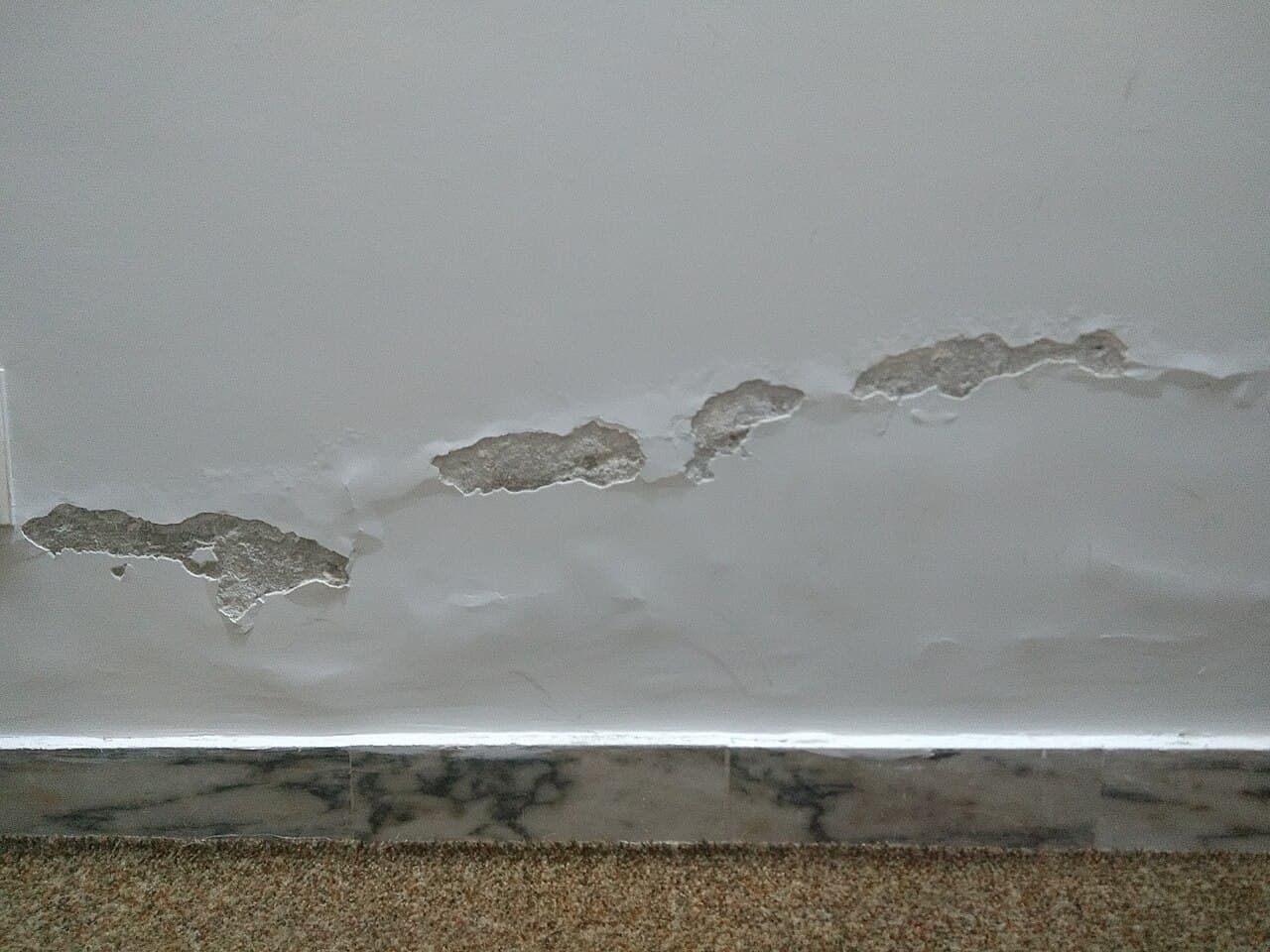
If the ceiling mould spreads beyond the bathroom, or the stain has a sharp brown edge, read the guide to mould on the ceiling: there may be a leak in the flat above.
A 5-minute routine after every shower
- Switch the fan on before you start the shower and leave it running for 15–20 minutes afterwards.
- Squeegee the tiles and the shower screen: it removes much of the water before it evaporates.
- Hang towels open, ideally on a heated towel rail or outside the bathroom.
- Leave the shower screen or curtain open so the tray can dry.
- Once a week, clean the fan grille and check the silicone.
If the bathroom still has mould after all this, take the free diagnosis. It helps you see whether the problem is just this room or the whole home. The page on bathroom damp brings together the most common cases.
When to call an electrician
Swapping a fan for an identical one in the same housing is simple. But there are situations where you should call an electrician, with the circuit switched off:
- You want to fit a fan where there is none, or switch to a timer or humidistat with new wiring.
- The fan is close to the shower or bath: there are safety zones with their own rules for electrical appliances.
- You smell burning, the motor gets hot or the residual-current breaker trips.
- There is water or moisture inside light fittings, spotlights or electrical boxes.
If there is no duct at all and an outlet has to be cut through the façade or the roof, in a building this may involve common parts and need approval from the condomínio (owners' association). If you rent, talk to the senhorio (landlord) first — the guide to damp in a rented home explains who usually pays for what.
Frequently asked questions
In most homes it isn't necessary. It only needs to run during the shower and for 15–20 minutes afterwards, on a timer or humidistat. In very damp homes, some models run continuously at low speed and speed up when humidity rises. What you should avoid is the fan stopping as soon as you switch off the light, because the steam stays in the air.
It helps dry the room after a shower, but it doesn't replace the extractor fan. A dehumidifier collects water slowly, while a shower releases a lot of steam in a few minutes. On top of that, an electrical appliance in a room with water must stay well away from the shower and bath. Use it as an extra, for example to dry the bathroom and hallway in winter.
No. A fan that blows into a false ceiling sends the steam into a closed, cold void, where it condenses, soaks the plasterboard and grows mould nobody sees. The air has to go outside, either directly or through the building's shaft. If the duct has come loose, have it reconnected before you change the fan.
It is normal for the mirror to steam up during a shower: it is colder than the steam. What matters is how long it takes to clear. If it is still covered after 10–15 minutes, the fan is extracting too little or there isn't enough air coming in under the door. Do the sheet-of-paper test and check the gap under the door.
As a rule, maintenance work on the rented property falls to the senhorio (Código Civil (Civil Code), art. 1074), and a broken fan that came with the home often falls into that category. Cleaning the grille and normal use are the tenant's job. Notify the landlord in writing. Every contract is different, so check with a lawyer or with DECO (the consumer association).
SOURCES
- Building physics: dew point (Magnus formula)
- Código Civil (Civil Code), art. 1074 (works on rented property)
- Regulation (EU) No 528/2012 concerning biocidal products
- WHO — Guidelines for indoor air quality: dampness and mould (2009)