Damp in basements and ground floors: rising damp, condensation or the ground?
Where rising damp, groundwater and condensation meet — including summer condensation in cool basements. What to expect and where to start.
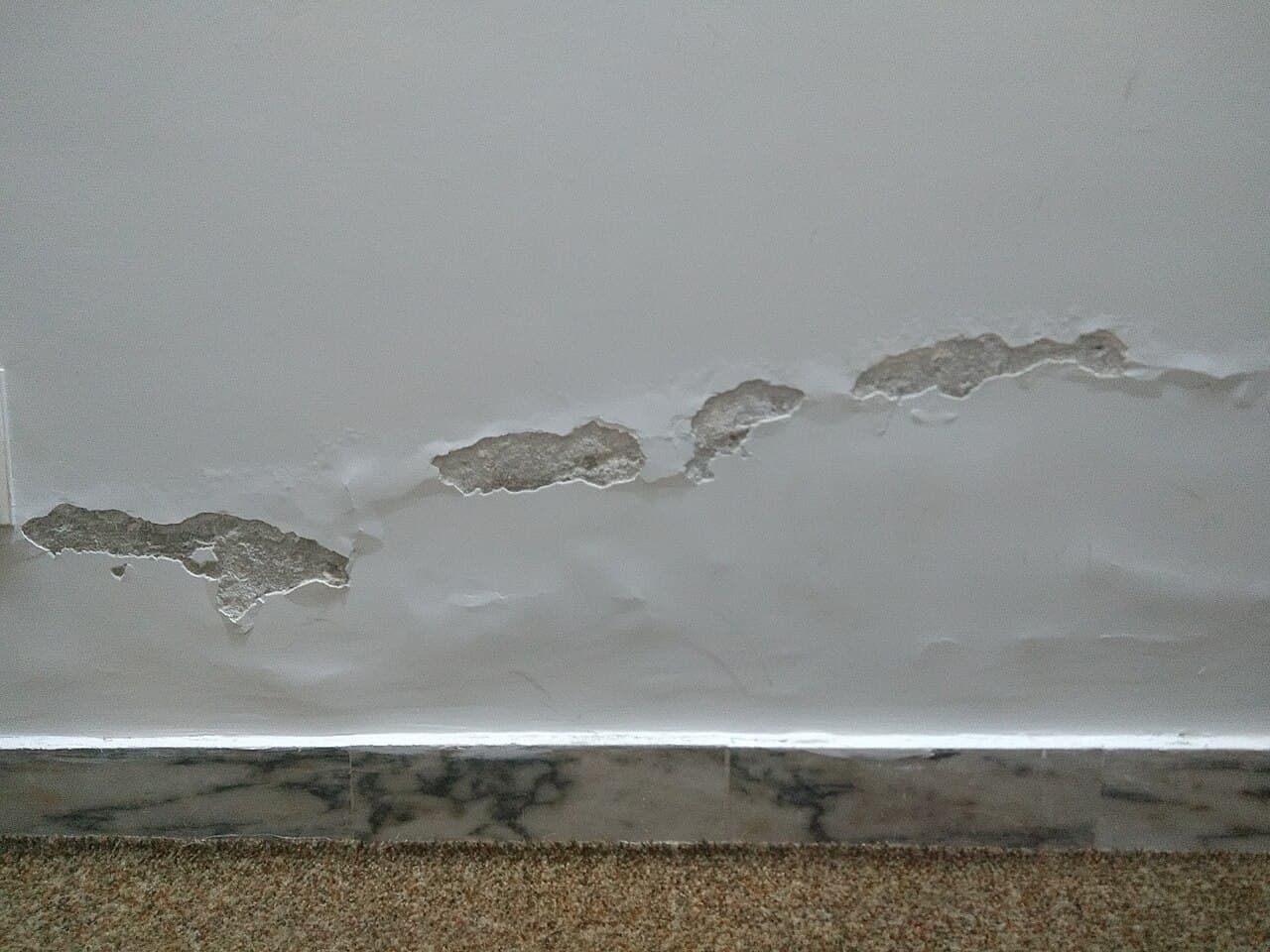
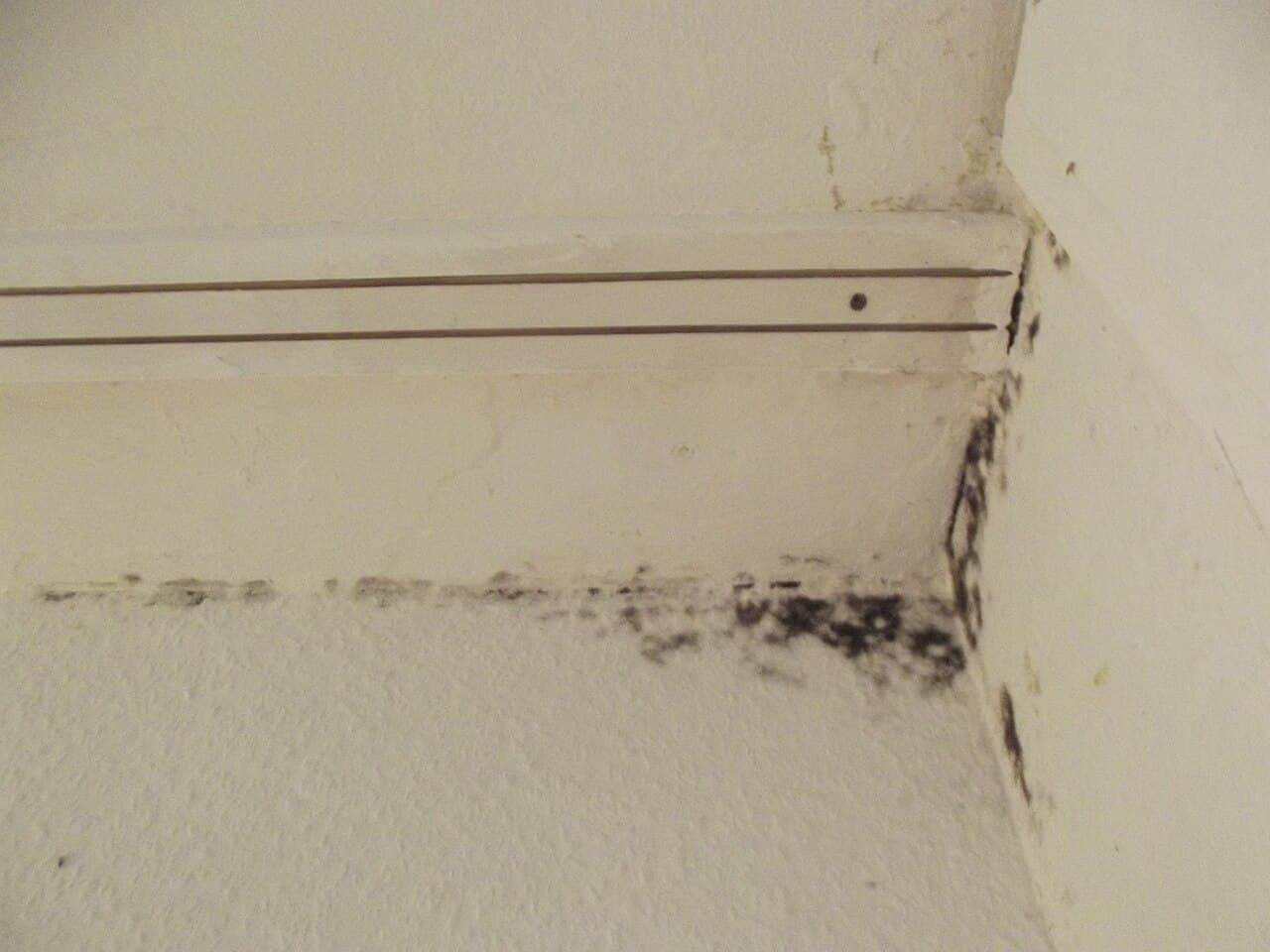
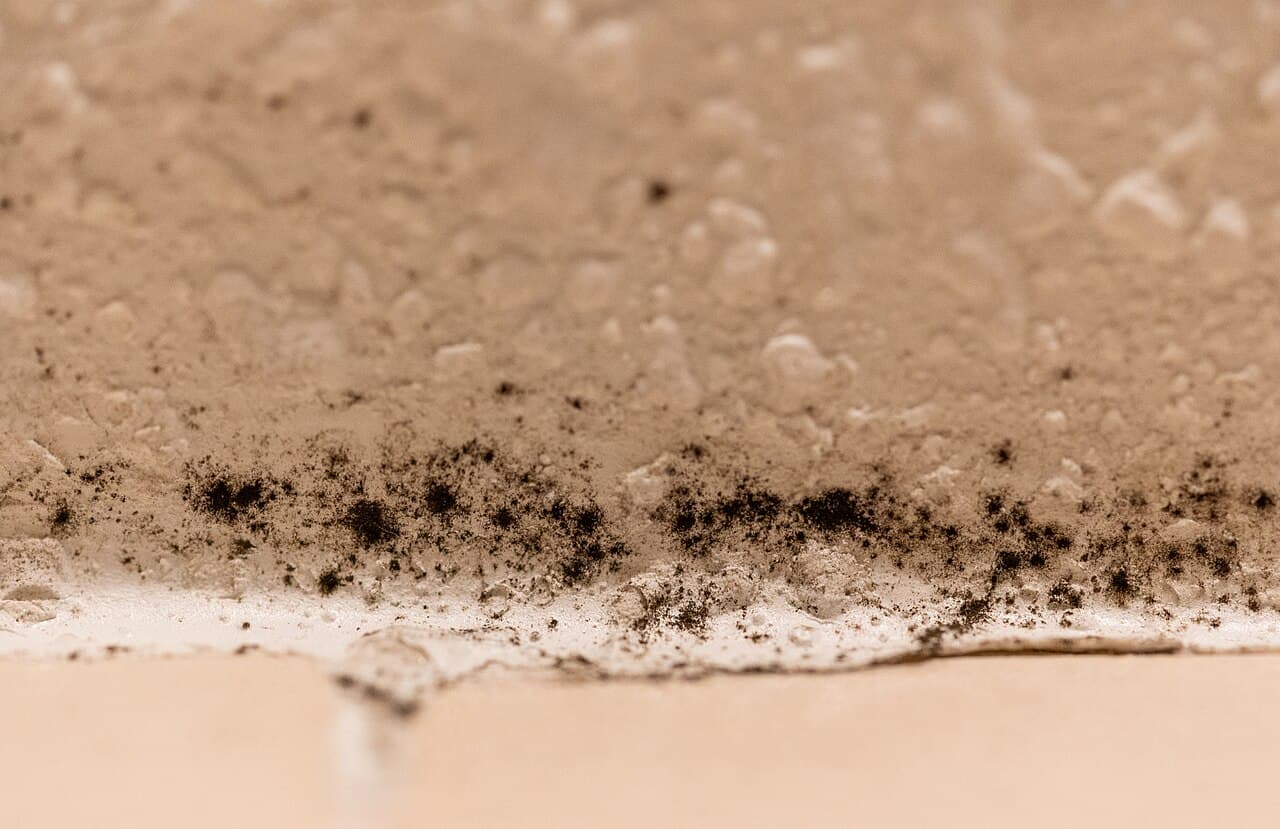
- A damp band up to ~1 m with white salts, the same all year, points to rising damp; mould and a musty smell, to condensation.
- Cool basements condense in summer: air at 28 °C and 60% condenses on walls below ≈19.5 °C. Air early in the day, not afternoons.
- Don't paint the inside of a wall against the soil with waterproof paint: the water gets trapped and climbs higher.
IN THIS GUIDE
Why basements and ground floors get more damp
In a basement or on a ground floor, all three causes of damp can come together. Water from the soil climbs the walls by rising damp or pushes sideways on buried walls. Walls in contact with the ground are colder and encourage condensation. And rainwater running down the façade can get in at the base.
So before any work, it is worth finding out which one dominates. Rising damp practically never happens above the ground floor, but here it is a serious possibility. At the same time, many patches in basements and ground floors are pure condensation, which can be fixed without injections or new render.
The free diagnosis starts exactly here: it asks about the floor, the type of wall, the height of the patch and how it relates to the seasons, and returns a probability for each cause.
Rising damp or condensation: how to tell
| Sign | Most likely |
|---|---|
| Damp band up to ~1 m from the floor, with white powder (salts) and crumbling render | Rising damp |
| Patch that is the same all year, even in dry weather | Rising damp or groundwater |
| Black mould spots, musty smell, wet windows | Condensation |
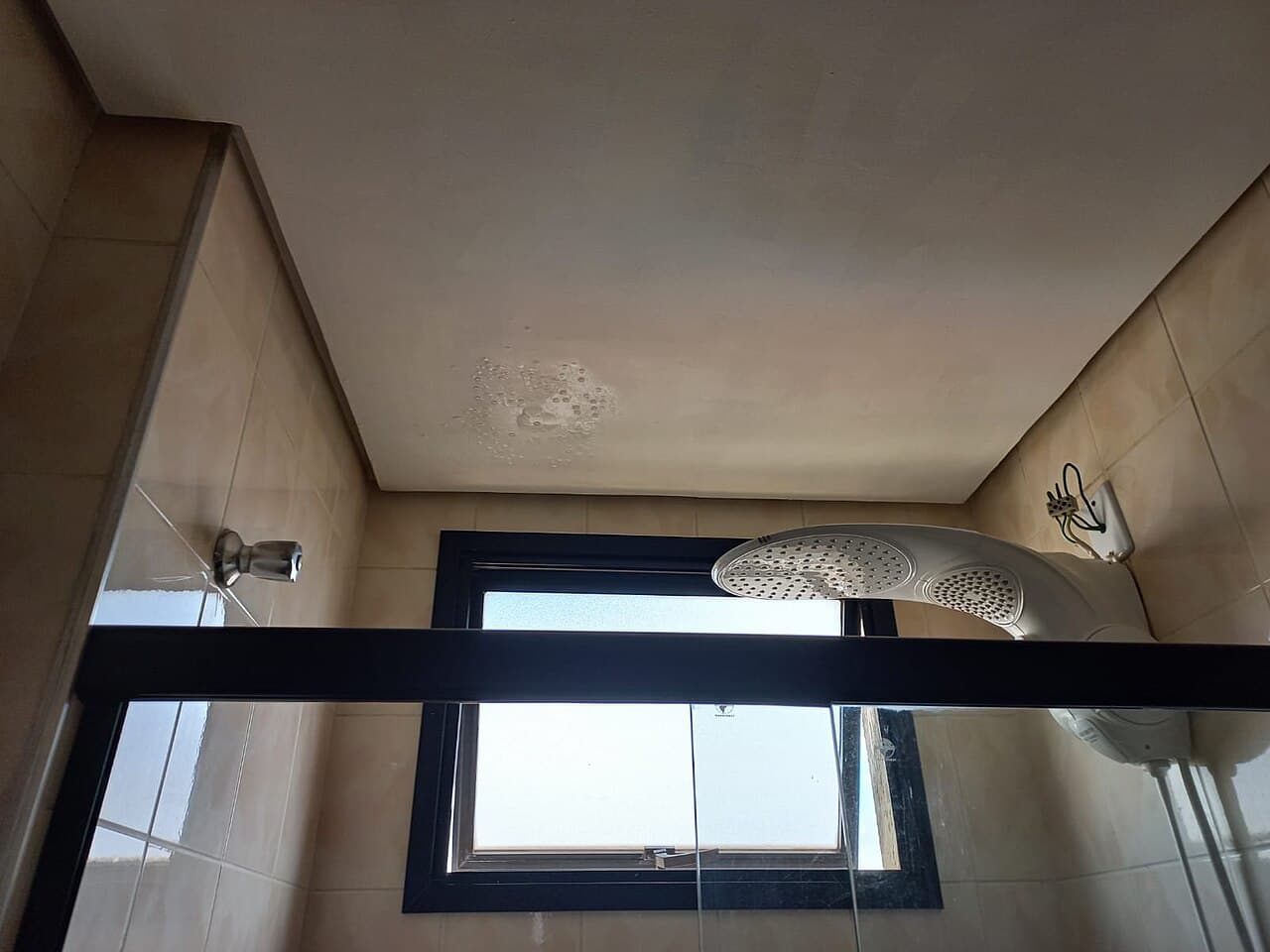
| Walls streaming in July and August in a cool basement | Summer condensation |
| Patch at the base of the wall after heavy rain | Water ingress or outside drainage |
| Buried wall damp over its whole height | Groundwater from outside |
Rising damp leaves salts: the water climbs, evaporates at the surface and leaves white crystals that push off the paint and break down the render. Condensation rarely leaves salts, but it does leave mould. More detail in the guides to rising damp and condensation damp.
Summer condensation in cool basements
This is the case that surprises people most: the basement is dry in January, and in summer the walls go damp, the floor sweats and mould appears on boxes. It isn't water getting in. It is warm, humid outside air cooling against walls that the ground keeps cool.
| Outside air | Dew point | Condenses on surfaces below |
|---|---|---|
| 28 °C and 60% RH | ≈19.5 °C | 19.5 °C |
| 25 °C and 60% RH | ≈16.7 °C | 16.7 °C |
| 24 °C and 70% RH | ≈18.2 °C | 18.2 °C |
A basement wall at 17–18 °C is below the dew point of a typical summer afternoon. Opening the door and windows at 4 pm "to air it" lets in exactly the air that will condense. Check the numbers for your basement with the dew point calculator.
- In summer, air the basement early in the morning or at night, when the outside air is cooler.
- On hot, humid afternoons, keep the basement's doors and windows shut.
- Run a dehumidifier with the basement closed and the humidistat at 50–55%, with a hose to the drain if possible.
- Measure humidity inside and out: a hygrometer costing about €10 on each side tells you when it pays to open up.
Outside ground level and drainage
In houses and ground-floor homes, the problem often starts outside. If the soil or the pavement is higher than the floor inside, or slopes towards the house, rainwater collects at the base of the wall and gets in.
- Check that the outside paving slopes away from the wall, not towards it.
- Make sure downpipes discharge away from the façade, not straight onto the base of the wall.
- Move flower beds, pots and watering away from the wall; soil piled against the façade keeps it wet.
- Clear gutters, gullies and inspection chambers before winter.
- If the soil is above the inside floor level, lowering it next to the wall is usually the first step.
For buried walls, the long-term fix is waterproofing and draining from the outside, with a drain along the foundation. It is a job that needs a design and a site visit, and the price depends heavily on each case.
Ventilation and dehumidifying in basements and ground floors
A basement kept shut all year builds up moisture from any source. Unobstructed vents on opposite sides help air circulate. In older houses with timber floors over a void, the vents at the base of the façade are there to ventilate that void: don't block them, even in winter.
For a dehumidifier, allow 10–12 L/day for a small basement or a one- or two-bedroom (T1–T2) ground-floor flat, from about €90 for compressor models. In winter, if the basement is below ~15 °C, a desiccant model works better. See how to choose in the guide which dehumidifier to buy.
Remember: a dehumidifier treats condensation. On a wall with rising damp or groundwater, it will fill its tank without fixing the cause.
How to store things in a basement without ruining them
- Use plastic boxes with lids instead of cardboard boxes, which soak up moisture and grow mould.
- Put up shelving with the bottom shelf 10–15 cm off the floor and 5–10 cm away from the walls.
- Don't store clothes, books, documents, mattresses or upholstered furniture long term.
- Inside closed boxes, an absorber costing about €9 helps; for a whole basement, it isn't enough.
- Don't store anything wet: bikes, tents and beach towels should dry outdoors first.
- Check the basement once a month, looking at the corners and the bottoms of boxes.
To know what to expect from absorbers, see the guide to moisture absorbers.
What not to do in a damp basement
- Don't block the vents "to keep the heat in".
- Don't render an old stone wall with rising damp using very impermeable cement mortars.
- Don't accept injections for a buried wall without a diagnosis: injections treat rising damp, not water pushed in by the ground.
- Don't open the basement on hot summer afternoons.
In prices observed in October 2026, injections or electro-osmosis cost €35–60/m², and whole-house "systems" reach €4,500–20,000 according to customer reports. Many companies offer a free visit and sell their own system — the diagnosis and the work come from the same source. Compare methods in injections vs electro-osmosis vs render and prices in how much injections cost.
Start with measurements and the diagnosis. If confidence is low, ask for a technical site visit before any quote. The page on basement damp sums up the most common cases.
Frequently asked questions
Only after fixing the damp and checking with the câmara municipal (town hall) whether that use is allowed for your property. Technically, a bedroom needs stable humidity below 60%, ventilation and daylight. A basement with summer condensation can become habitable with dehumidifying and good ventilation; one with groundwater first needs outside work or a drainage system.
Yes, but at the right time. Early in the morning and at night, the outside air is cooler and has a lower dew point, so it airs the space without condensing. On hot, humid afternoons, opening the basement lets in air that condenses on the cool walls. One hygrometer inside and another outside show when it pays to open up.
It is if the problem is condensation, which is very common, especially in summer. Choose a 10–12 L/day model for a small basement, keep doors and windows shut and set the humidistat to 50–55%. If the tank fills every day and the walls still show salts, the water is coming from the ground and the appliance doesn't treat the cause.
It depends entirely on the cause. Dealing with condensation can cost €20–300 in DIY measures, plus a dehumidifier. Injections against rising damp cost €35–60/m² in observed prices, and the complete systems some companies sell run into thousands of euros. Waterproofing and draining from outside needs a case-by-case quote. Take the diagnosis first.
SOURCES
- Building physics: dew point (Magnus formula)
- Prices observed on Google.pt, cume.pt, Zaask and Habitissimo, Oct 2026
- WHO — Guidelines for indoor air quality: dampness and mould (2009)