Damp room by room: bedroom, bathroom, kitchen and basement
The room where damp appears is one of the best clues to its cause. In the kitchen and bathroom, the steam is produced right there, by cooking and showers. In the bedroom, two people sleeping release about 0.5–1 litre of water a night, which ends up on the coldest outside wall. In the basement and on the ground floor (rés-do-chão), the ground itself comes into play.
These guides are for anyone whose problem is concentrated in one place and who wants solutions for that room: where mould usually shows up, which routine changes the numbers, and when the stain can no longer be explained by how the room is used.
The key idea: the same symptom has different causes depending on the room. Mould on a top-floor bedroom ceiling may be water coming through the roof; on the ceiling of a windowless bathroom, it is probably shower steam. See the pages for the bedroom and the basement, or name the room in the diagnosis.
Start here
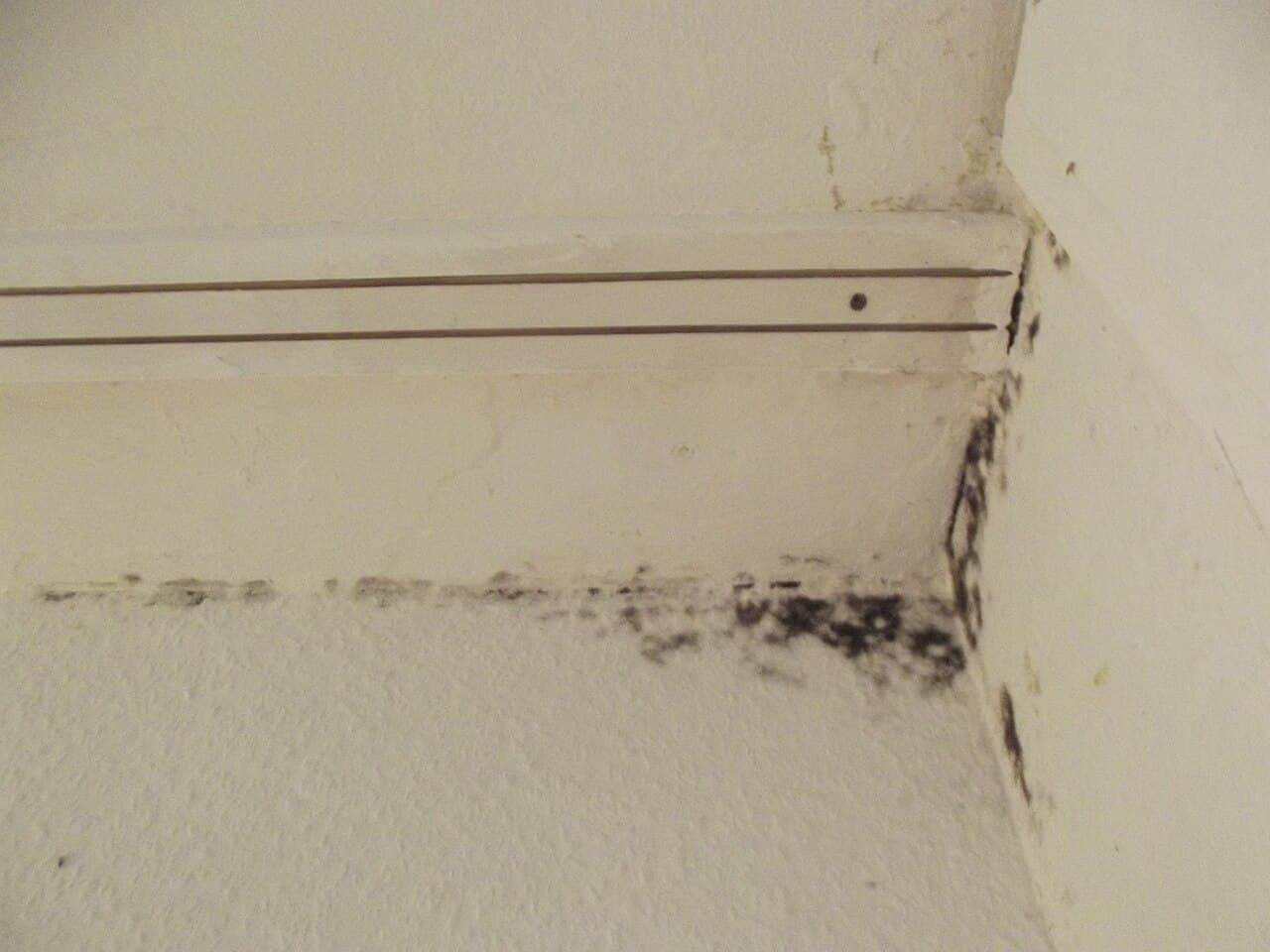
Mould in the bedroom: why it appears and how to get rid of it
The bedroom is where mould appears most — and there is a physical reason for it. The plan to get rid of it, in most cases without building work.
Full guide →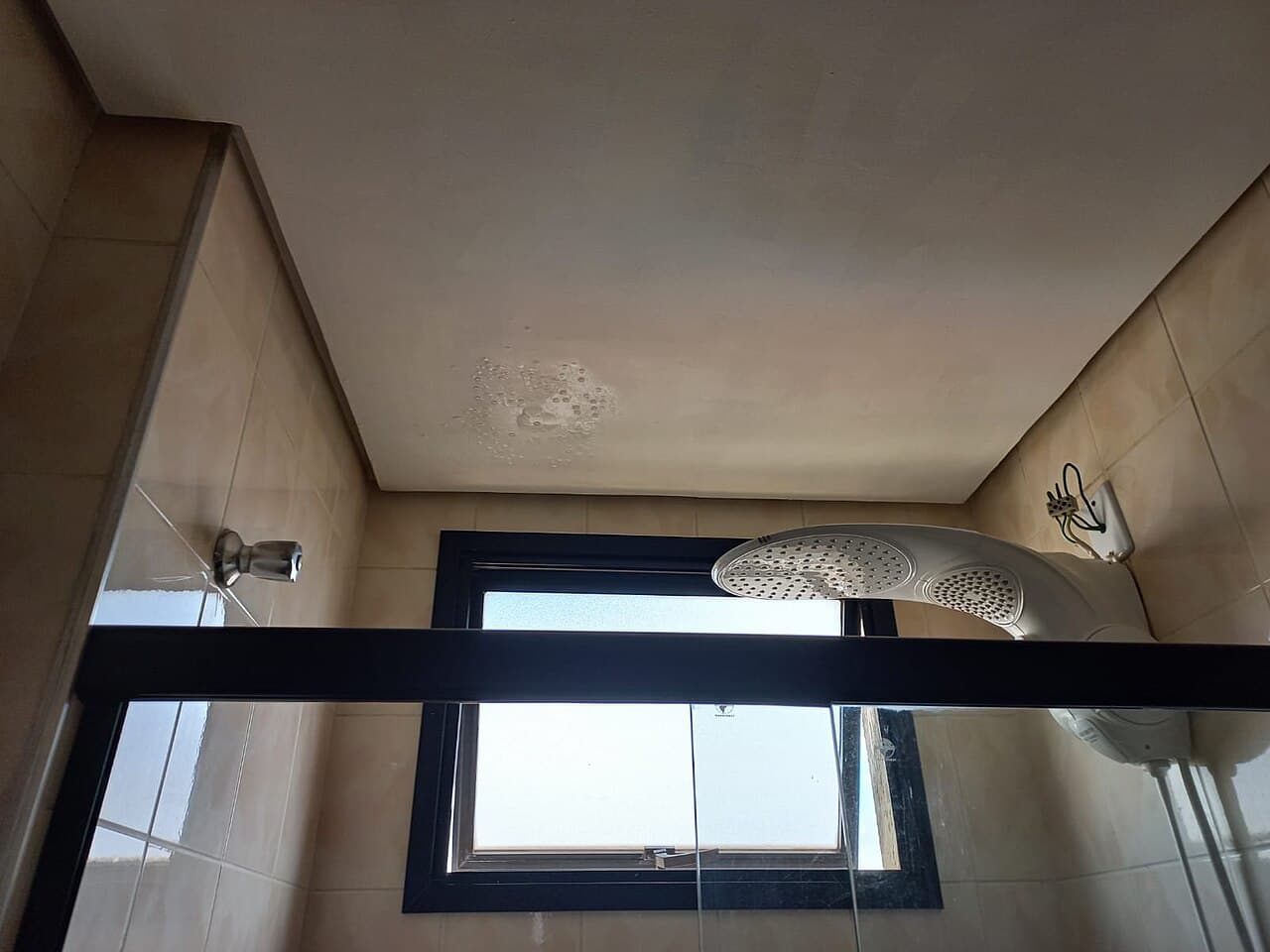
Mould on the ceiling: condensation or water ingress?
On the ceiling, the two causes overlap. How to tell them apart by shape, colour, floor and timing — and where to start.
Full guide →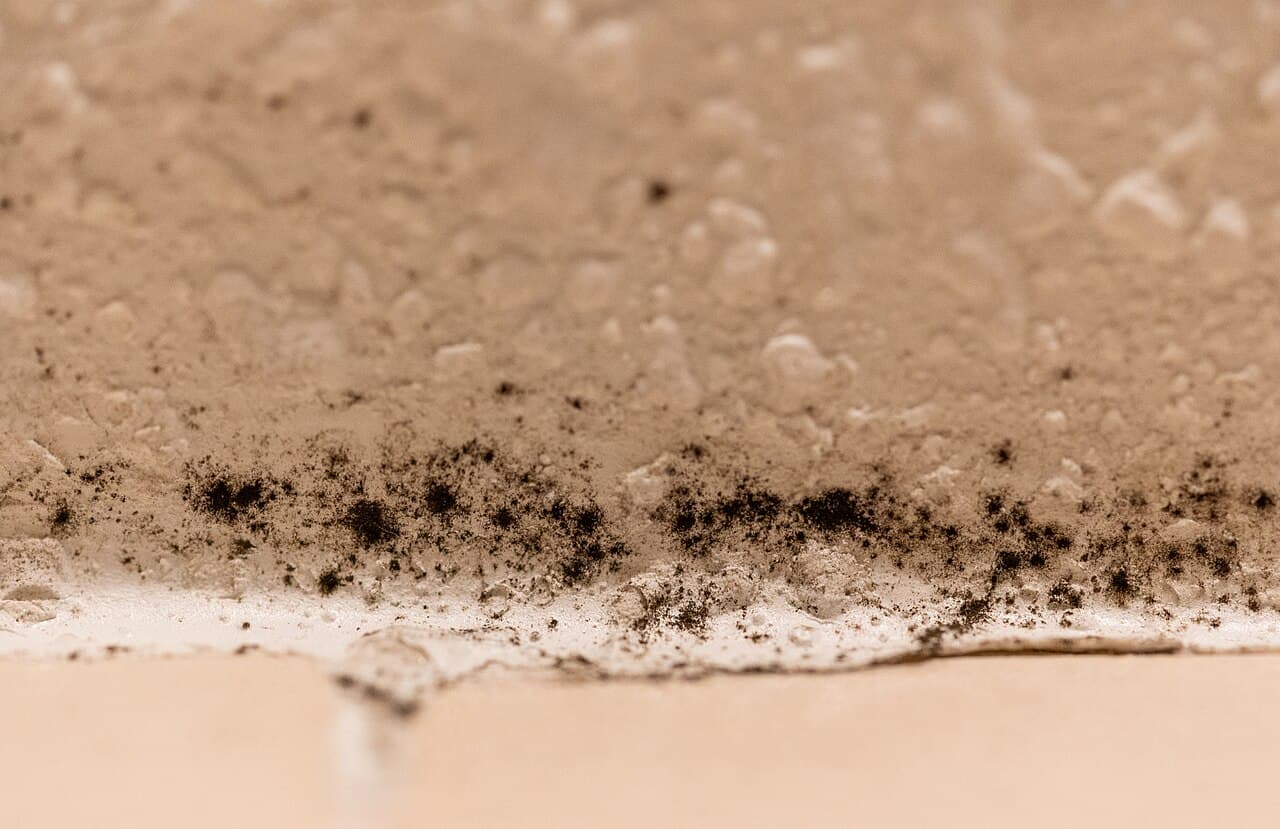
Damp in a bathroom without a window: extractor fan, door and routine
Extractor fan, timer and a gap under the door: what works when shower steam has nowhere to go — and how to test your fan with a sheet of paper.
Full guide →All guides on this topic (6)
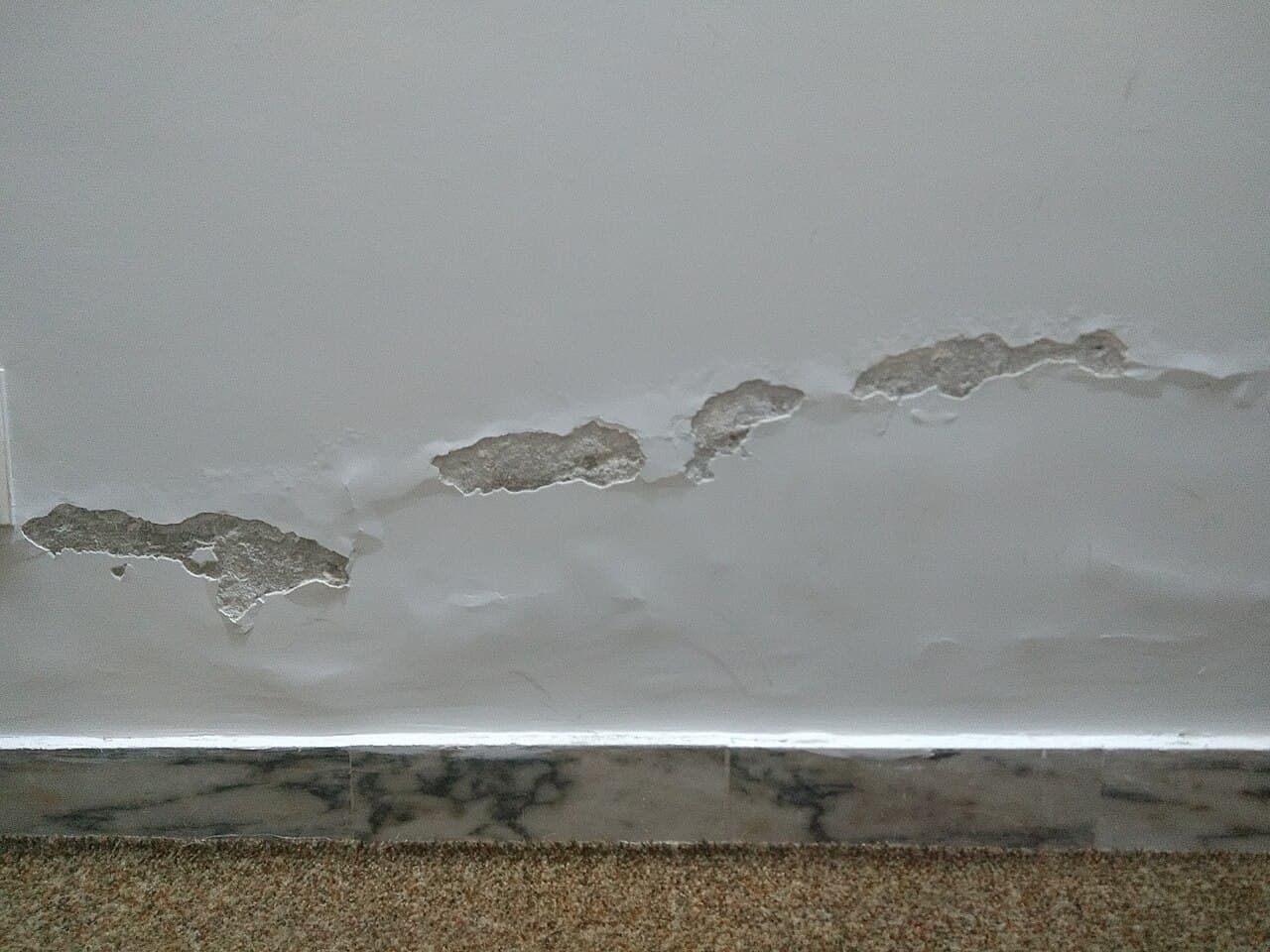
Damp in basements and ground floors: rising damp, condensation or the ground?
Where rising damp, groundwater and condensation meet — including summer condensation in cool basements. What to expect and where to start.
Full guide →
Damp and mould in the kitchen: causes and solutions
Steam from pans, recirculating hoods, gas cookers, tumble dryers and leaks under the sink: where kitchen damp comes from and how to stop it.
Full guide →Mould in the wardrobe and on clothes: why it appears and how to prevent it
A wardrobe against an outside wall, still air and clothes put away damp: the three causes of mould in wardrobes, and what to do with clothes and shoes.
Full guide →Frequently asked questions
Because furniture pushed against an outside wall stops the room's air from warming it. The surface gets colder, the relative humidity right next to it rises and, above roughly 80% for several days, mould grows even without visible droplets. Moving the furniture a few centimetres away from the wall and letting air circulate usually changes the temperature of that spot.
Not necessarily. It needs a way to get rid of the steam: an extractor fan running during the shower and for a few minutes afterwards, a gap under the door so air can come in, and the habit of squeegeeing the shower walls. If the ceiling still grows mould, check whether the fan actually pulls air and where it sends it.
It depends on the cause. If water is coming from the ground through buried walls, a dehumidifier lowers the humidity of the air but does not stop the water getting in, and the wall stays wet. If it is mainly summer condensation, when warm air enters a cool basement, controlling ventilation and dehumidifying may be enough. Measuring the wall helps tell the cases apart.