Ideal humidity at home: levels by room and season
Between 40% and 60% for most of the year. Why the 7am reading is the one that matters, and what to do above 70% or below 35%.
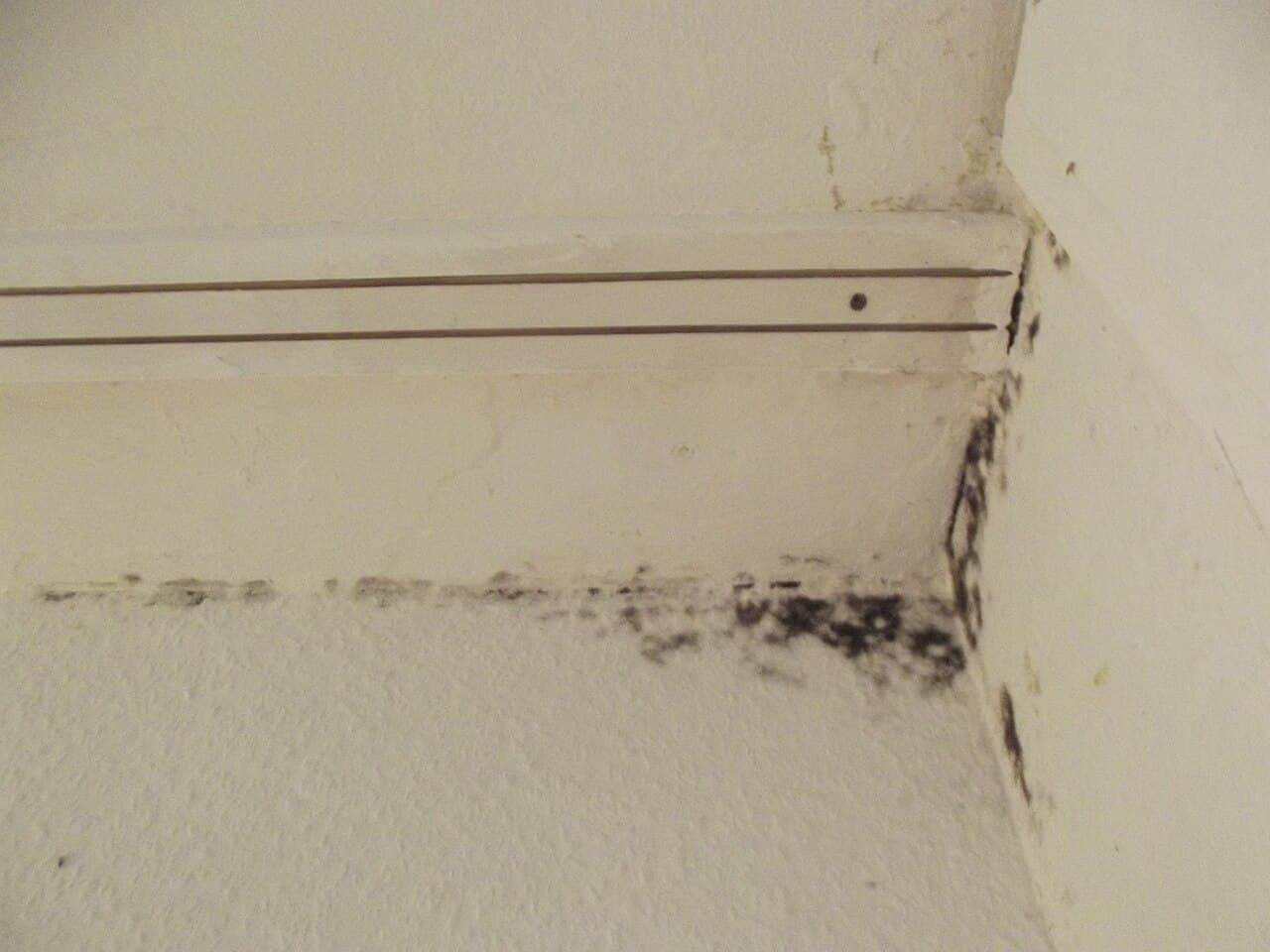
- Aim for 40–60% relative humidity. Above 70% in the morning for several days, the risk of mould rises sharply.
- Measure at 7am, before opening windows, 1–1,5 m above the floor, away from windows, heaters and outside walls.
- The figure depends on temperature: at 18 °C and 75% in the bedroom, a wall at 13,5 °C is already wet.
IN THIS GUIDE
What is the ideal humidity inside a home?
For most homes and for most of the year, the goal is to keep relative humidity between 40% and 60%. Below that the air gets dry; above it, and especially above 70% for several days, cold walls start growing mould.
Relative humidity is the percentage of water vapour the air holds compared with the maximum it can hold at that temperature. The same amount of water gives a higher percentage in cold air than in warm air. That's why the coldest room in the house almost always has the highest humidity, and why humidity rises before dawn, when the temperature drops.
It also explains why airing works even on a rainy January day in Lisbon, with 90–100% humidity outside. Outdoor air at 10 °C and 95% humidity, once warmed indoors to 18 °C, ends up at around 57%. Swapping the air lowers the humidity, even when it's raining.
There's also no point going much below 50% with a dehumidifier. Below that, the unit uses more electricity with no benefit for the walls, and the air starts to feel uncomfortable.
What does each hygrometer reading mean?
| Relative humidity | What it means | What to do |
|---|---|---|
| Below 35% | Dry air, uncommon in Portugal | Reduce heating or the dehumidifier |
| 40–60% | Recommended range | Keep your habits |
| 60–70% | Watch zone, especially in the morning | Air better, control indoor laundry drying |
| Above 70% at 7am | Condensation likely on cold surfaces | Ventilate and consider a dehumidifier |
| Above 80% for days | Mould almost certain in cold corners | Act now and look for the cause |
A single reading says little. What matters is the pattern: whether humidity returns to the same values every day, at the same time, in the same room. A two-week log shows whether the problem is about habits or whether the home needs more than that. If the pattern points to condensation, the page on condensation damp explains the fixes in order of cost.
Humidity levels by room and by season
| Room | Winter | Summer | Warning sign |
|---|---|---|---|
| Bedroom | 40–60%; up to 65% on waking is acceptable | 40–60% | Above 70% at 7am several days running |
| Living room | 40–55% | 40–60% | Rises with a gas heater or laundry drying |
| Bathroom | Peaks above 80% while showering are normal | Same | Doesn't return to the home's level within about 1 hour |
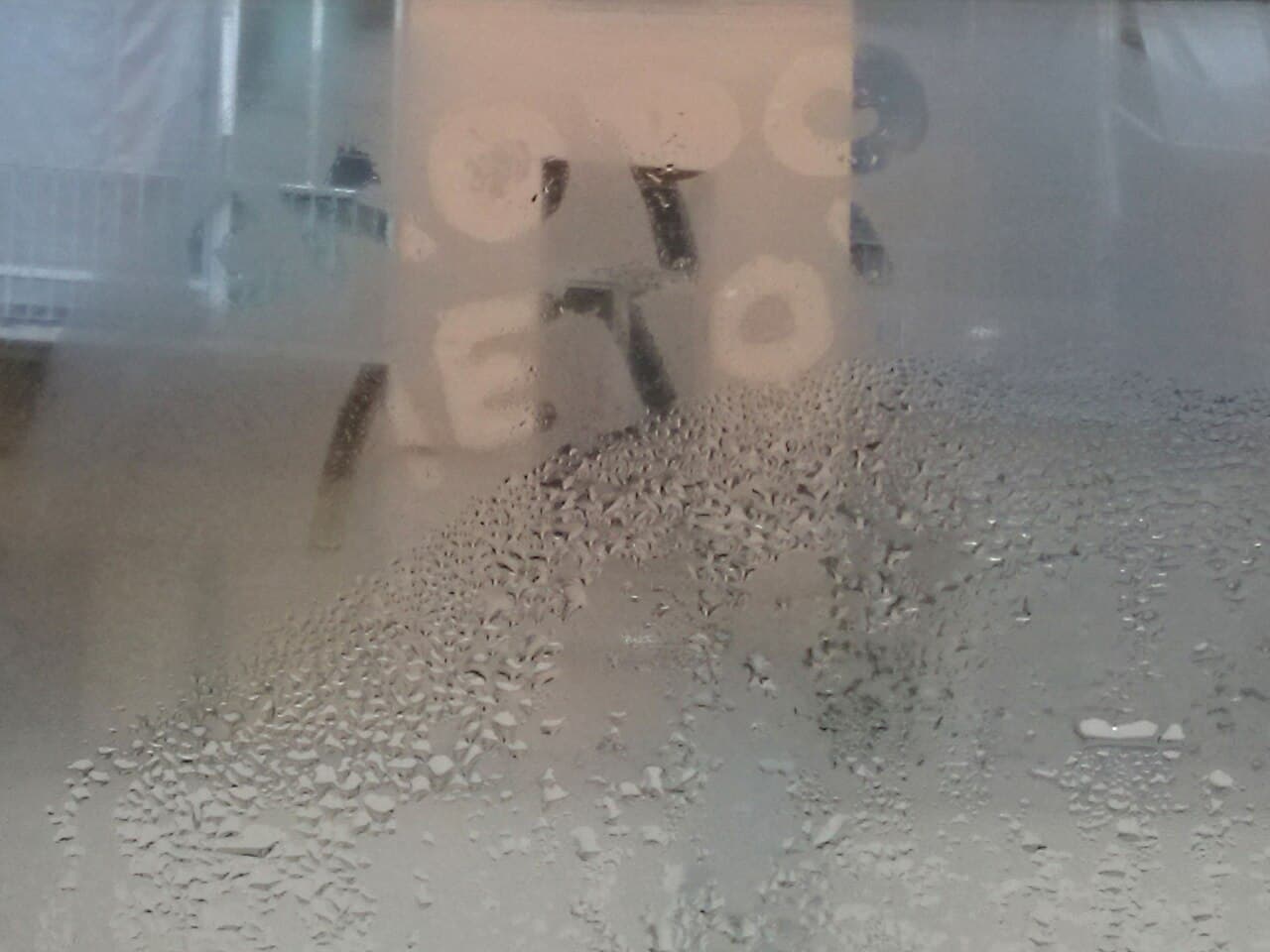
| Kitchen | 40–60%, with peaks while cooking | 40–60% | Windows misted long after cooking |
| Basement or storeroom | Up to 65% | Up to 65%; don't air in the heat of the day | Musty smell, salts on the walls |
| Child's bedroom | 40–60% | 40–60% | Readings persistently above 65% or below 35% |
In winter, the problem in Portugal is almost always too much humidity: cold homes, closed windows, laundry drying indoors. In summer, indoor humidity tends to follow the outdoors and rarely causes condensation, except in basements and below-ground rooms.
The values in the table are reference targets, not rigid limits. A peak after a shower or while cooking isn't a problem; what matters is humidity that lingers for hours, especially at night, in the coldest rooms.
How to measure humidity at home properly
A digital hygrometer costing about €10 is enough to know where you stand. The guide hygrometers: which one to buy helps you choose, and you'll also find them in our shop. More important than the model is where and when you measure.
- Height: 1 to 1,5 m above the floor, on an inside wall or a piece of furniture.
- Away from sources of error: windows, heaters, direct sun, the bathroom door and the hob.
- Time: after moving the device, wait 30 minutes before reading it.
- Hour: at 7am, before opening windows, in the room where you sleep. It's the worst moment of the day and the best predictor of mould.
- Log: note the readings for 2 weeks, morning and evening, in each room that worries you.
Cheap hygrometers can be off by a few percentage points. To check yours, put it in a closed container with a small amount of damp table salt (salt with a few drops of water, not fully dissolved). After a few hours it should read about 75%. The difference is the device's error.
If you have more than one hygrometer, put them side by side for an hour before spreading them around the home. That way you'll know whether differences between rooms are real or just differences between devices.
Humidity above 70%: what to do
- Air for 5–10 minutes with opposite windows open, on waking, after showering and after cooking. A short, strong draught does more than a window left ajar all day.
- Use the kitchen extractor while cooking and the bathroom fan during and after showers.
- Dry laundry outdoors or in a closed room with a dehumidifier. A family of four already puts about 10 litres of water a day into the air, not counting laundry.
- Avoid gas or kerosene heaters indoors: they release water vapour as they burn. See gas heaters and damp.
- Move wardrobes and beds 5–10 cm away from outside walls.
- If after 2 weeks the 7am humidity is still above 70%, use a dehumidifier with the humidistat set to 50–55%. A 10–12 L/day compressor model starts at around €90 — see which one to buy.
If none of this is enough, the home may need permanent ventilation (PIV/VMI or mechanical ventilation/VMC), or water may be getting in by another route. The diagnosis helps you work out which is most likely.
Humidity below 35%: is that a problem too?
In Portuguese homes it's rare, especially near the coast. It happens with electric heating or air conditioning running for many hours in closed rooms, or with a dehumidifier set too low.
Very dry air can cause discomfort in the eyes, nose and throat, static electricity and cracks in timber and furniture. Before buying a humidifier, try the obvious: turn the heating down a little, raise the dehumidifier's humidistat or switch it off.
In a bedroom heated all night with an electric heater and the door closed, it's normal to see humidity drop to 35–40%. It isn't serious: just air the room in the morning and don't overdo the temperature. Drying laundry in the room raises humidity quickly, but in winter it's easy to overshoot.
Humidity, temperature and dew point
Ideal humidity doesn't depend on the percentage alone: it also depends on the temperature of the air and of the walls. The dew point is the temperature at which water vapour in the air turns into droplets. But mould doesn't wait for droplets: it grows when the humidity right at a surface stays above ~80% for days.
| Air at 18 °C with RH of… | Dew point | Mould risk on surfaces below |
|---|---|---|
| 50% | ≈ 7,4 °C | ≈ 10,7 °C |
| 60% | ≈ 10,1 °C | ≈ 13,5 °C |
| 65% | ≈ 11,3 °C | ≈ 14,7 °C |
| 70% | ≈ 12,4 °C | ≈ 15,9 °C |
| 75% | ≈ 13,5 °C | ≈ 17,0 °C |
The values were calculated with the Magnus formula. In practice: with the bedroom at 18 °C and 70% humidity, any corner below ~16 °C is already at risk. On an uninsulated outside wall, like those in much of the pre-1990 housing stock, that happens easily in a cold winter.
For your own case, enter the temperature and humidity in the dew point calculator and compare with the wall temperature, measured with an infrared thermometer (€15–20).
If the hygrometer shows 55–60% and you still have mould in a corner, the problem is probably that corner's temperature — a thermal bridge, a roller-shutter box, a wardrobe pushed against the wall — rather than the room's humidity.
Frequently asked questions
Between 40% and 60%. In a closed bedroom, humidity rises overnight because of breathing, so on waking it can reach 60–65% without a problem. If it's above 70% at 7am several days in a row, air the room in the morning, leave the door slightly open at night or run a dehumidifier with the humidistat at 50–55%.
The same reference as the rest of the home: 40–60%. The key is to avoid extremes — mould on the walls on one side, very dry air from too much heating on the other. Measure at 7am for a few days before buying any device. For questions about the child's health, talk to the paediatrician or your family doctor.
No. 50% is right in the middle of the recommended 40–60% range. At this humidity, with the air at 18 °C, a surface is only at risk of mould below about 10,7 °C, which is rare indoors. If you have mould at 50% humidity, look for a very cold thermal bridge, water ingress or a leak.
In cooling mode, yes: the air passes over a cold coil and the water condenses and drains away. Many units have a «dry» mode that does the same with less cooling. In heating mode it doesn't remove water, but by raising the temperature it lowers relative humidity, which reduces condensation on the walls.
Overnight the home is closed, people release vapour as they breathe — two people sleeping release about 0,5–1 L of water — and the temperature drops. Lower temperature with the same amount of water gives higher relative humidity. That's why 7am is the best time to measure and to air the home.
SOURCES
- Building physics: dew point (Magnus formula, b = 17,62, c = 243,12)
- WHO — Guidelines for indoor air quality: dampness and mould (2009)
- Observed retail prices (hygrometers, infrared thermometers, dehumidifiers), Oct 2026