Buying a home with damp: what to check before you sign
About 70% of homes in Portugal were built before thermal insulation rules, and 32.1% of residents live in homes with damp or leaks (INE, the national statistics institute, 2025). Buying without thinking about this is risky, especially in buildings from the 1960s to 1980s and on the ground floor.
These guides are for anyone viewing homes, negotiating or about to sign the deed (escritura). They explain which signs to look for on a viewing (a musty smell, fresh paint only in the corners, salt deposits at the base of walls, condensation on the glass), which questions to ask the seller and what home insurance usually covers after the purchase.
The key idea: a viewing on a sunny day, with the windows open, hides a lot. Go back early in the morning or on a rainy day, take a hygrometer and note the readings. If you find signs, ask for a technical assessment before closing the deal. Read the guide on buying a home with damp and see also damp in older homes.
Start here
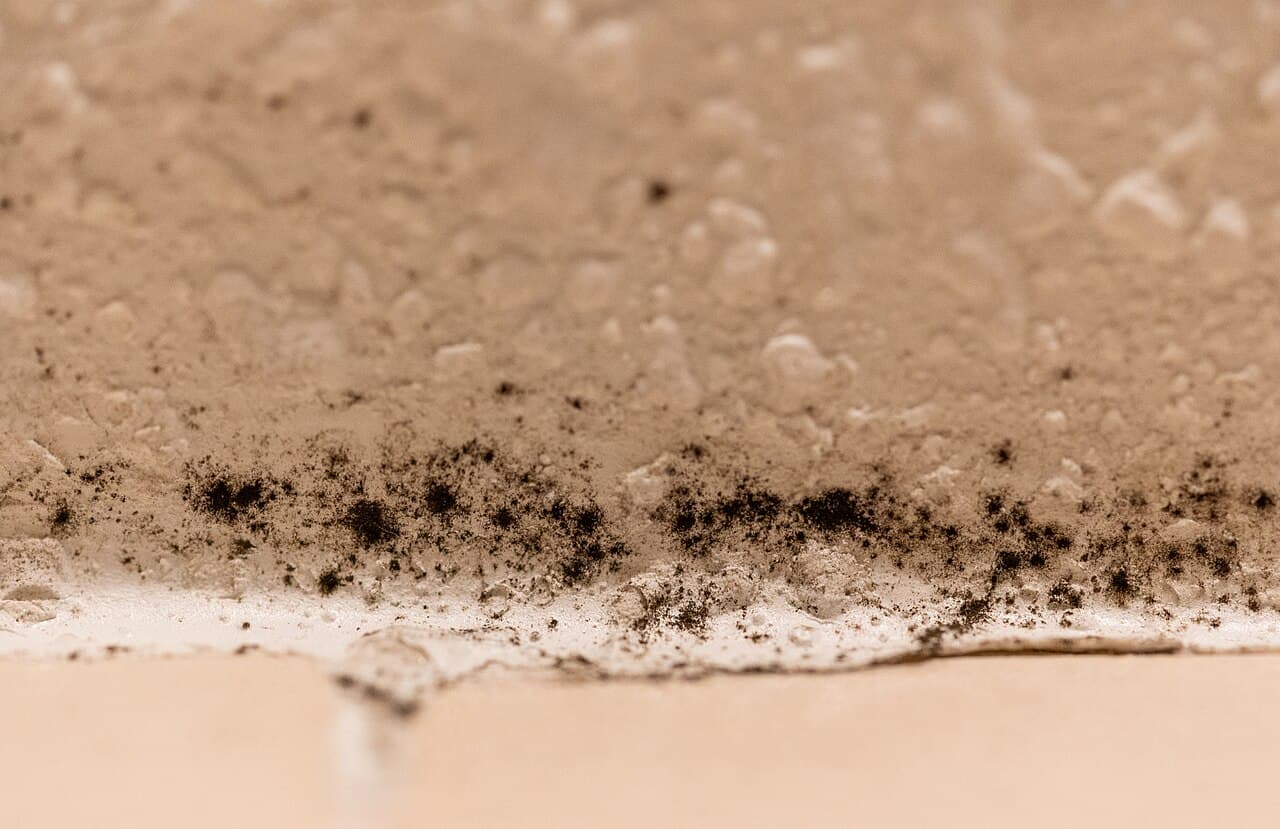
Buying a home with damp: what to check before you sign
Smell, fresh paint in corners, furniture against walls: the checklist to take to the viewing and how to use damp in the negotiation.
Full guide →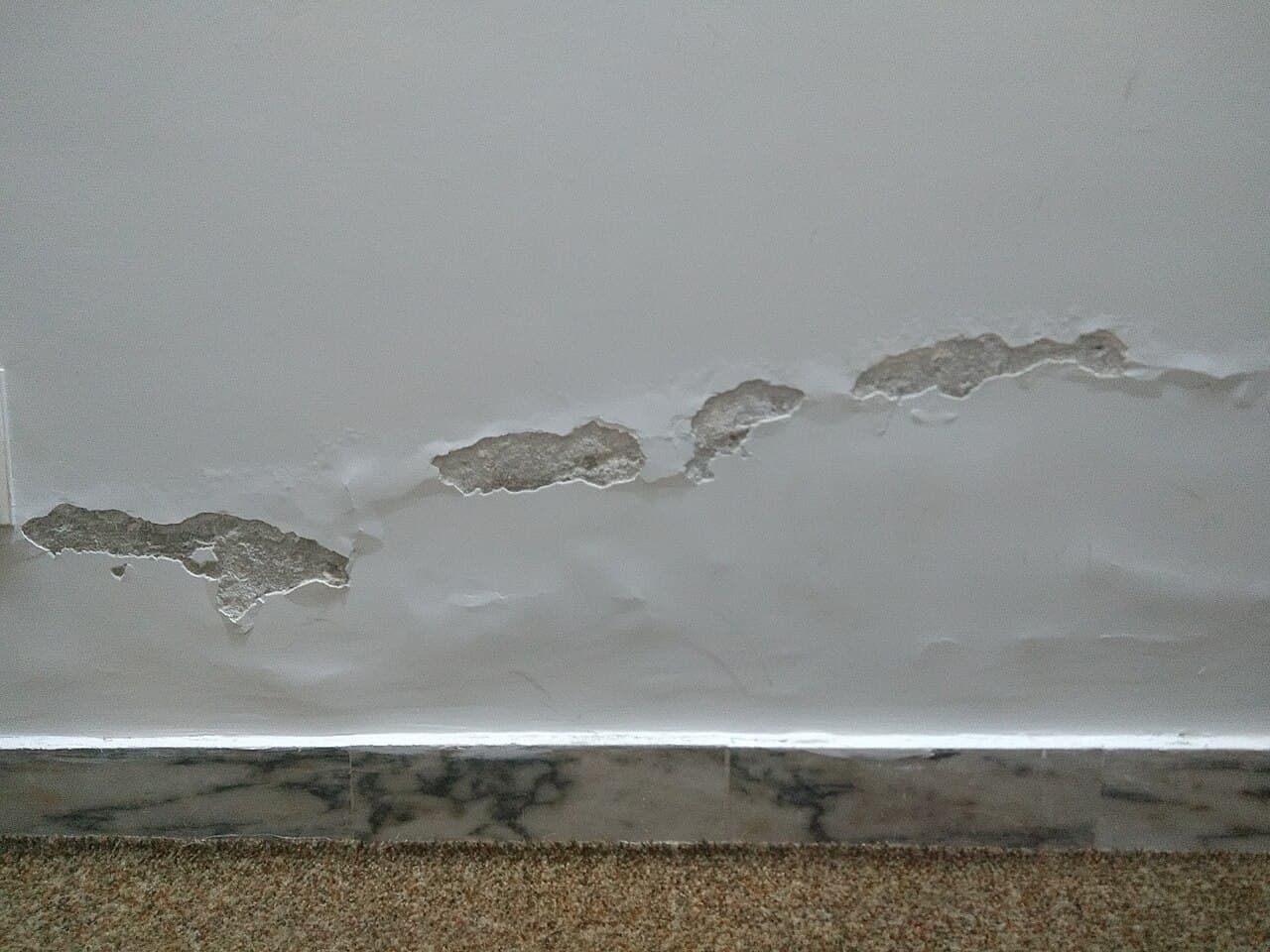
Damp in older homes (built before 1990): what to expect
Around 70% of Portugal's housing stock was built before insulation rules. What's normal, what's a warning sign and where to start on a tight budget.
Full guide →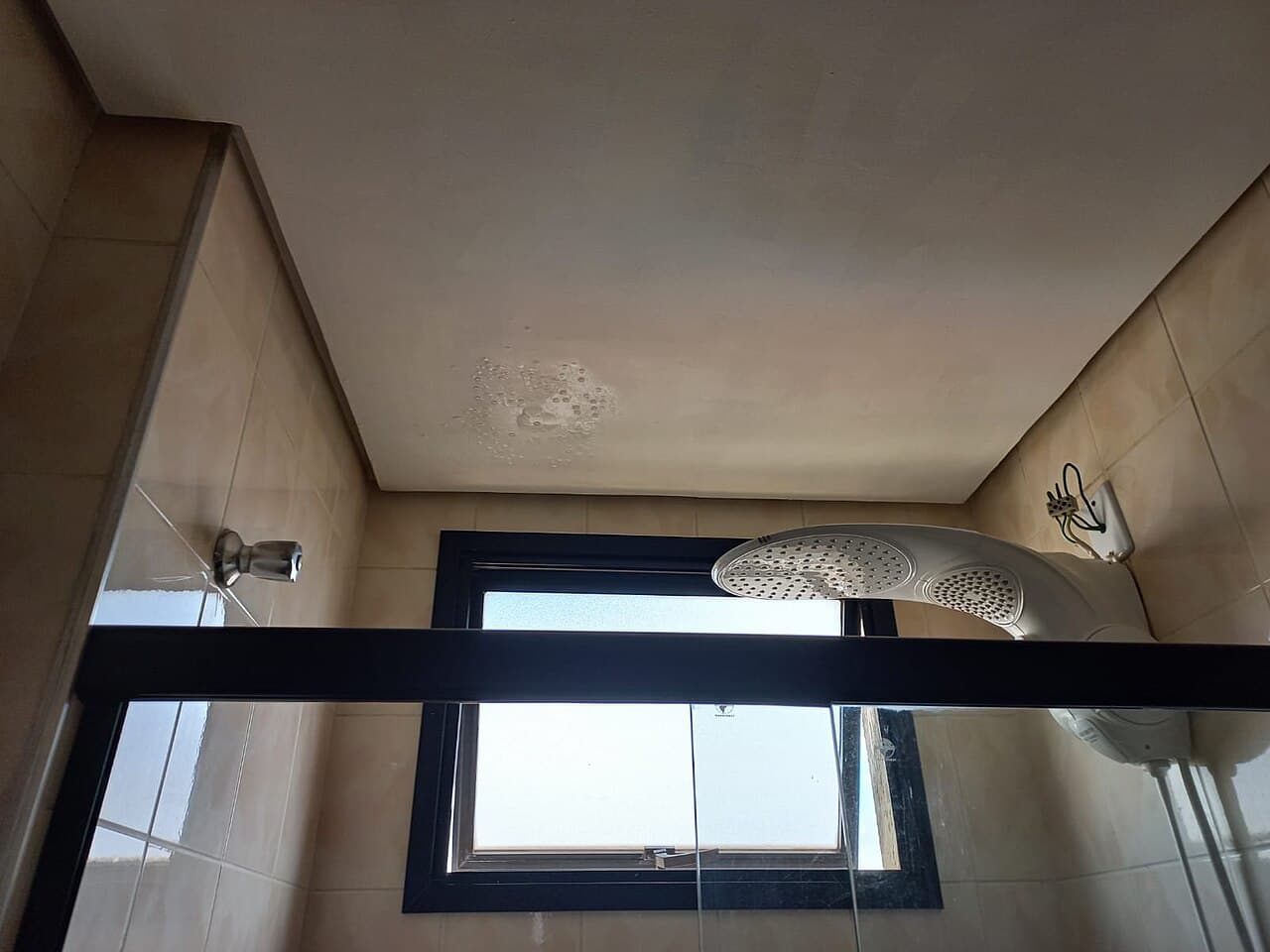
Does home insurance cover damp and water ingress?
A burst pipe is usually covered; a slow leak or condensation often isn't. What to check, document and who to report it to.
Full guide →Frequently asked questions
Not necessarily, but it deserves attention. Painting before selling is common. Be wary when the new paint is only in specific places: ceiling corners, the base of walls, behind where furniture stood. Ask when and why it was painted, touch the wall to feel for cold or damp and, if you can, go back a few weeks later to see whether stains reappear.
As a rule, do not count on it. Multi-risk home policies usually cover sudden water damage, such as a burst pipe, and exclude gradual water ingress, condensation and lack of maintenance. A problem that predates the purchase is unlikely to fit those covers. Check the specific conditions of your policy before signing and do not rely on insurance for long-standing damp.
Ask whether there have been damp treatments, when, by whom and with what written guarantee, and request invoices and reports. In an apartment building, ask for recent minutes of the condomínio (owners' association) meetings: they show leaks that were discussed and planned work on the façade or roof, which owners may have to pay for. Missing documents prove nothing, but that is information too.