Damp in rented homes and shared buildings: who pays for what
When damp appears, the question of who pays arrives almost as fast as the stain. As a rule, the Código Civil (Civil Code) makes maintenance work the landlord's (senhorio) responsibility (art. 1074), and the common parts of a building, such as the façade, roof and shared pipes, the responsibility of all the owners in proportion to their share, the permilagem (arts. 1421 and 1424). But the actual answer depends on the cause and the contract.
These guides are for tenants, landlords and owners of units (frações) in apartment buildings. They explain how to document the problem, how to communicate in writing and what to do when the water comes from the neighbour upstairs or a common part.
The key idea: the cause determines who is responsible. Water coming through the façade is usually a matter for the condomínio (owners' association); condensation from poor ventilation can lead to arguments about how the home is used. A dated diagnosis helps the conversation. See the pages for tenants and for the condomínio. This is general information: check your case with a lawyer or with DECO (the Portuguese consumer association).
Start here
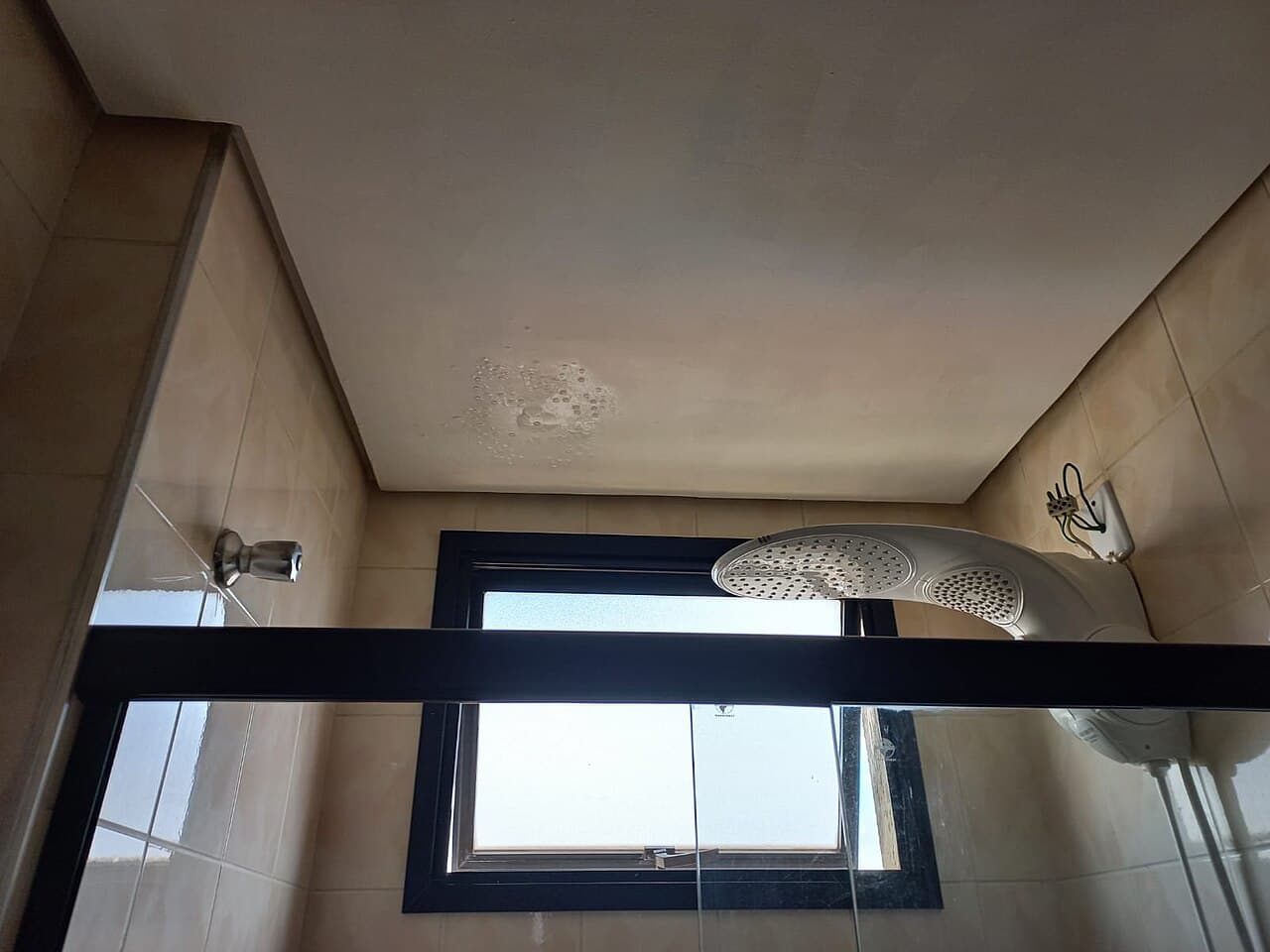
Damp in a rented home: who pays, the landlord or the tenant?
As a rule, maintenance work is the landlord's job. But the cause matters: how to document, notify, what deadlines to ask for and what not to do.
Full guide →Damp coming from the upstairs neighbour: what to do
A patch on your ceiling under the neighbour's bathroom? How to confirm the source, talk, notify in writing and claim on insurance.
Full guide →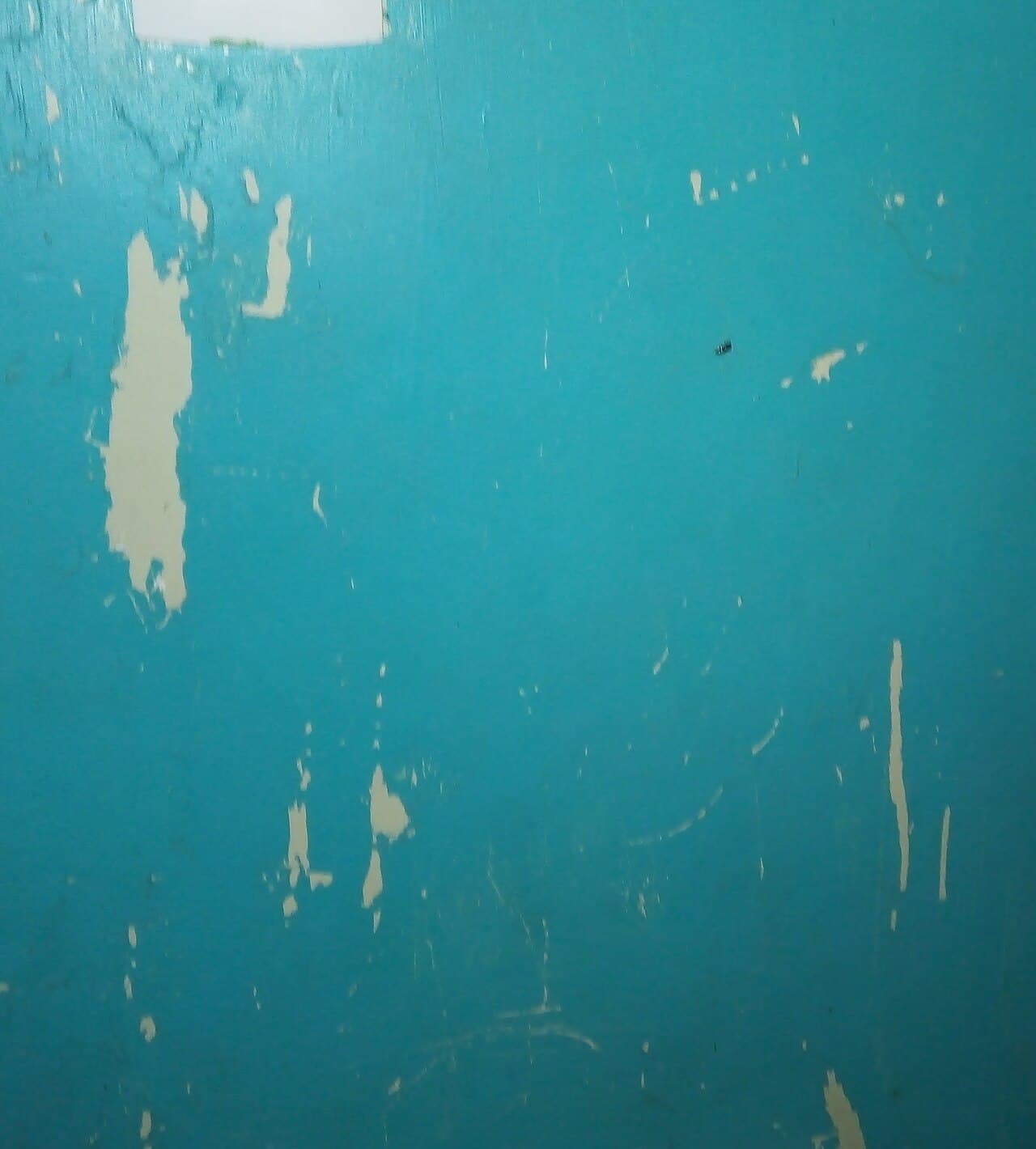
Damp in the common parts of a condominium: who pays and what to do
Façade, roof, terrace or stacks: when the condominium pays, how to get it onto the meeting agenda and what to do if it is urgent.
Full guide →Frequently asked questions
As a rule, art. 1036 of the Civil Code lets a tenant carry out urgent repairs when the landlord does not do them in time, provided the landlord is notified, with a right to reimbursement. Deducting the cost from the rent without agreement can cause conflict. Keep photos, invoices and written messages, and check your case with a lawyer or with DECO before going ahead.
It helps a lot to have dated photos from move-in day, the inventory or handover record, and your messages with the landlord. If the problem appeared later, keep regular relative humidity readings and photos showing how it develops. A technical report or a dated diagnosis gives context, but is not legal proof on its own. If in doubt, consult a lawyer.
Write to the administrador (building manager) with photos and dates, and ask for the issue to go on the agenda of the owners' meeting. As a rule, art. 1427 of the Civil Code allows essential and urgent repairs to common parts to be carried out on the initiative of any owner when the manager is absent or unable to act. Check the steps with a lawyer or with DECO.