Damp diagnosis: find the cause before you spend
Almost all damp in a home has one of three causes: condensation (water vapour in the air settling on cold surfaces), rising damp (ground water climbing up the walls) or water ingress (rain or pipe water getting in through the façade, the roof or the plumbing). The right treatment for one is useless for the others.
These guides are for anyone looking at stains, mould or salt deposits who wants to understand what is going on before calling a company. They explain how to measure with a hygrometer and an infrared thermometer, which patterns to look for (where the stain is, what time of year, which floor) and when the signs are not enough and you need a technical visit.
The key idea: the floor and the timing matter a lot. Rising damp practically never appears above the ground floor, and a stain that gets worse on winter mornings points to condensation rather than a leak. For a first structured reading, take the free diagnosis or start with damp on walls.
Start here
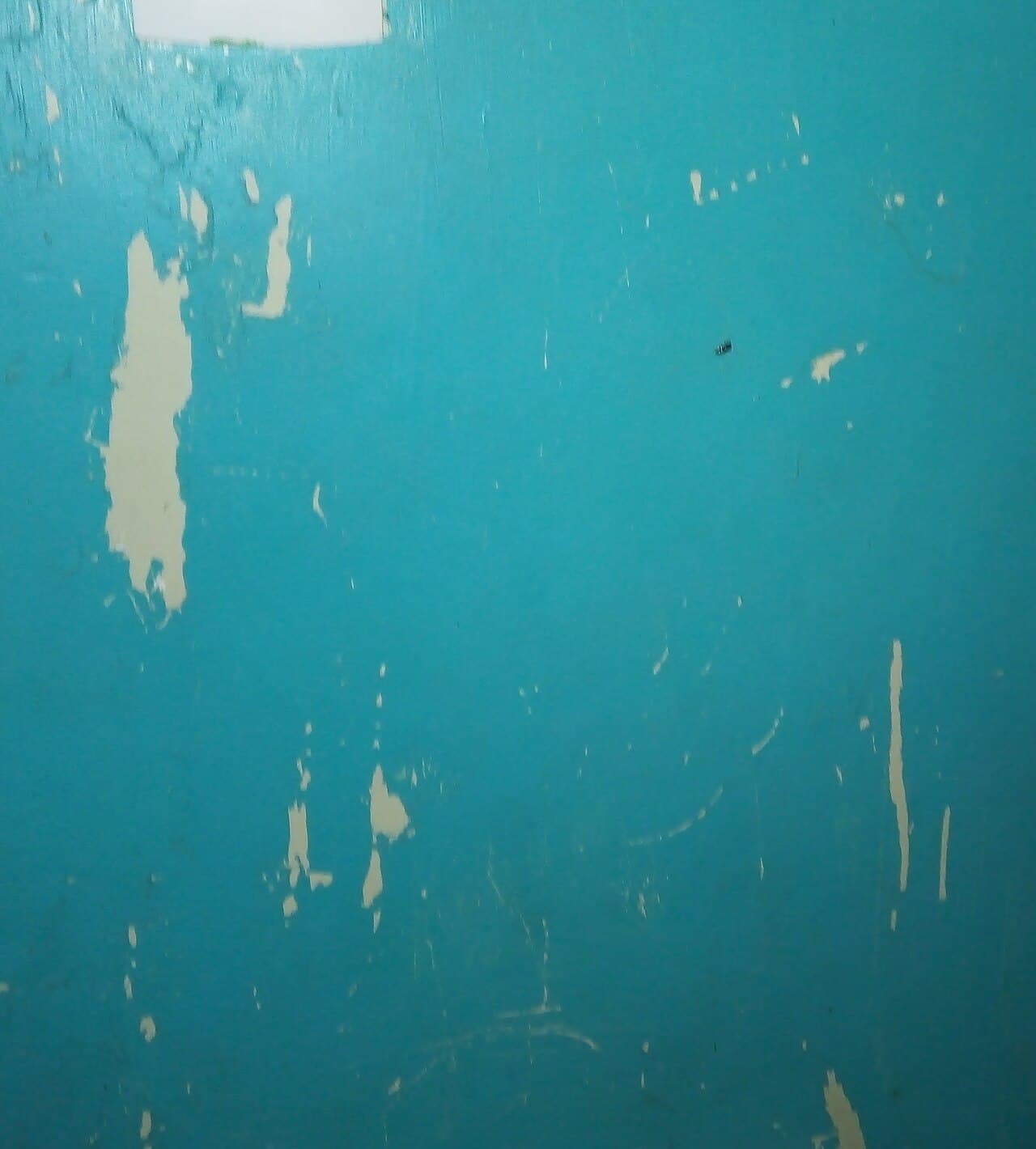
Damp walls: how to find the cause in 10 minutes and what it costs to fix
Condensation, rising damp, water ingress or a plumbing leak: four signs that tell them apart, a comparison table and observed prices for each fix.
Full guide →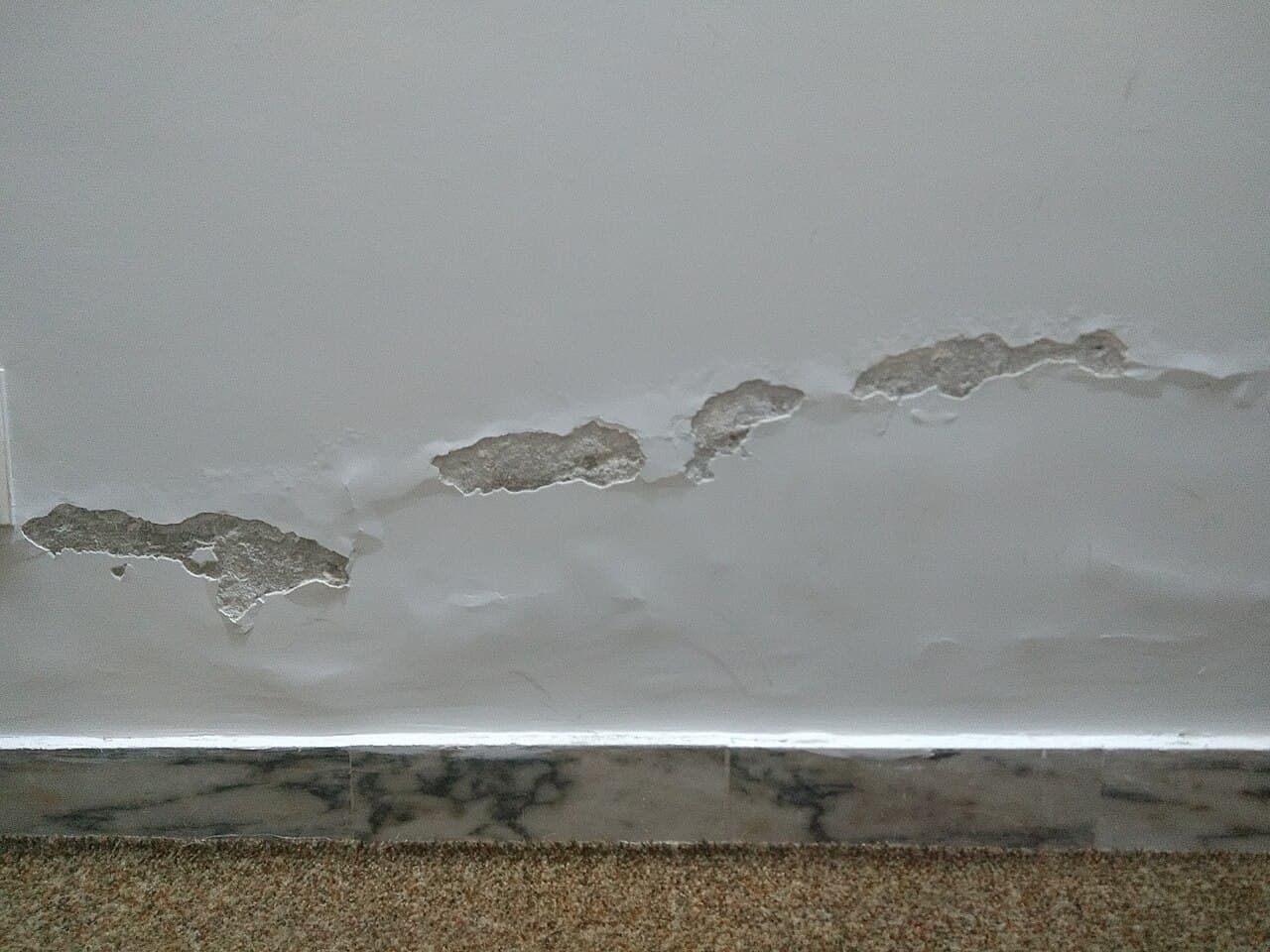
Condensation or rising damp? 5 simple tests you can do at home
Stain height, season, floor, aluminium foil and a 7 am hygrometer reading: five tests that cost almost nothing and stop you paying for the wrong treatment.
Full guide →How to measure damp in a wall (and what the numbers actually mean)
Hygrometer, pin meter, carbide test or thermal camera: what each instrument really measures and how not to be fooled by a single number.
Full guide →All guides on this topic (11)
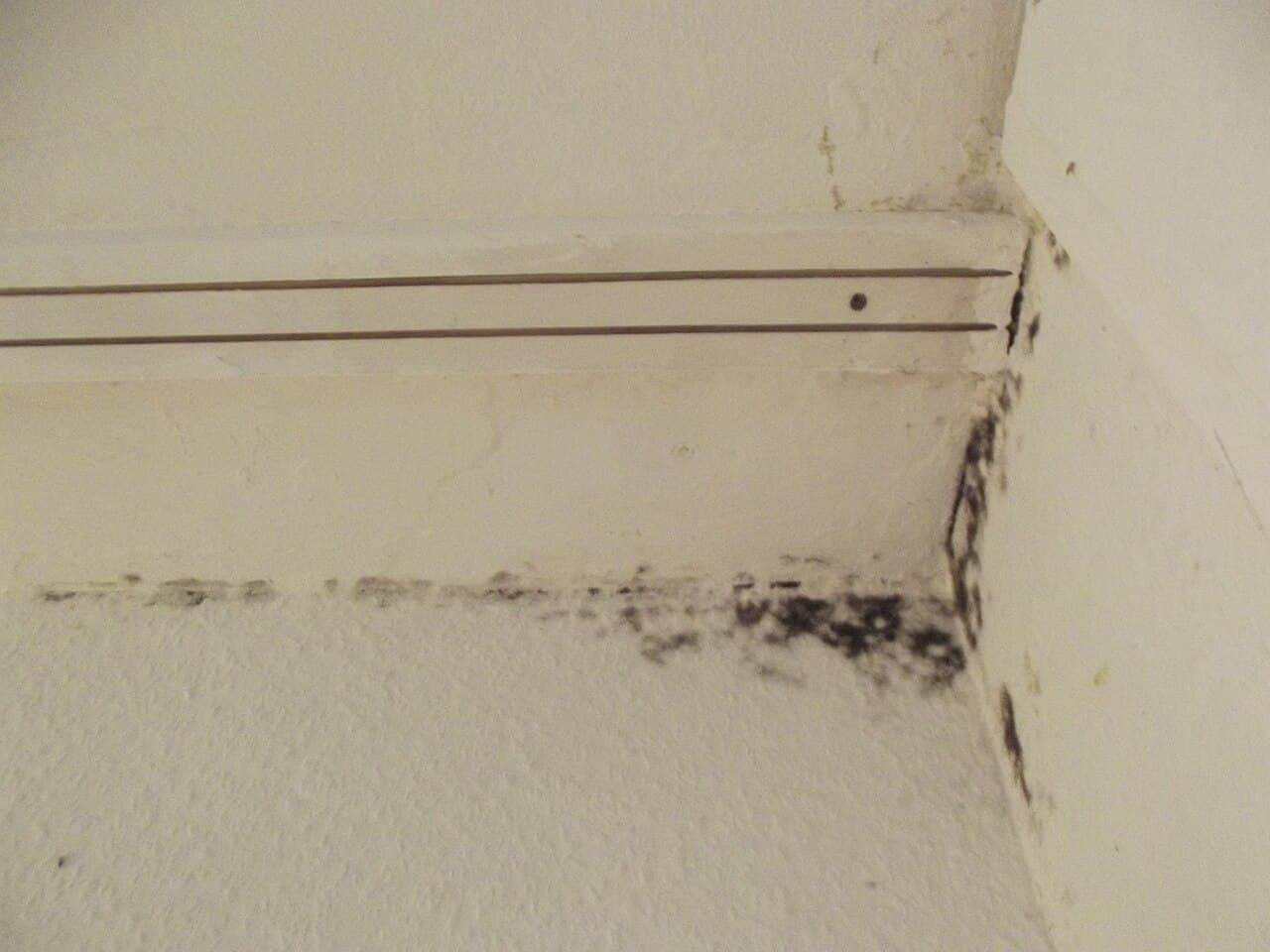
What kind of damp does your home have? Free diagnosis in 3 minutes
The starting point: 12 questions, a probability for each cause and an action plan.
Open tool →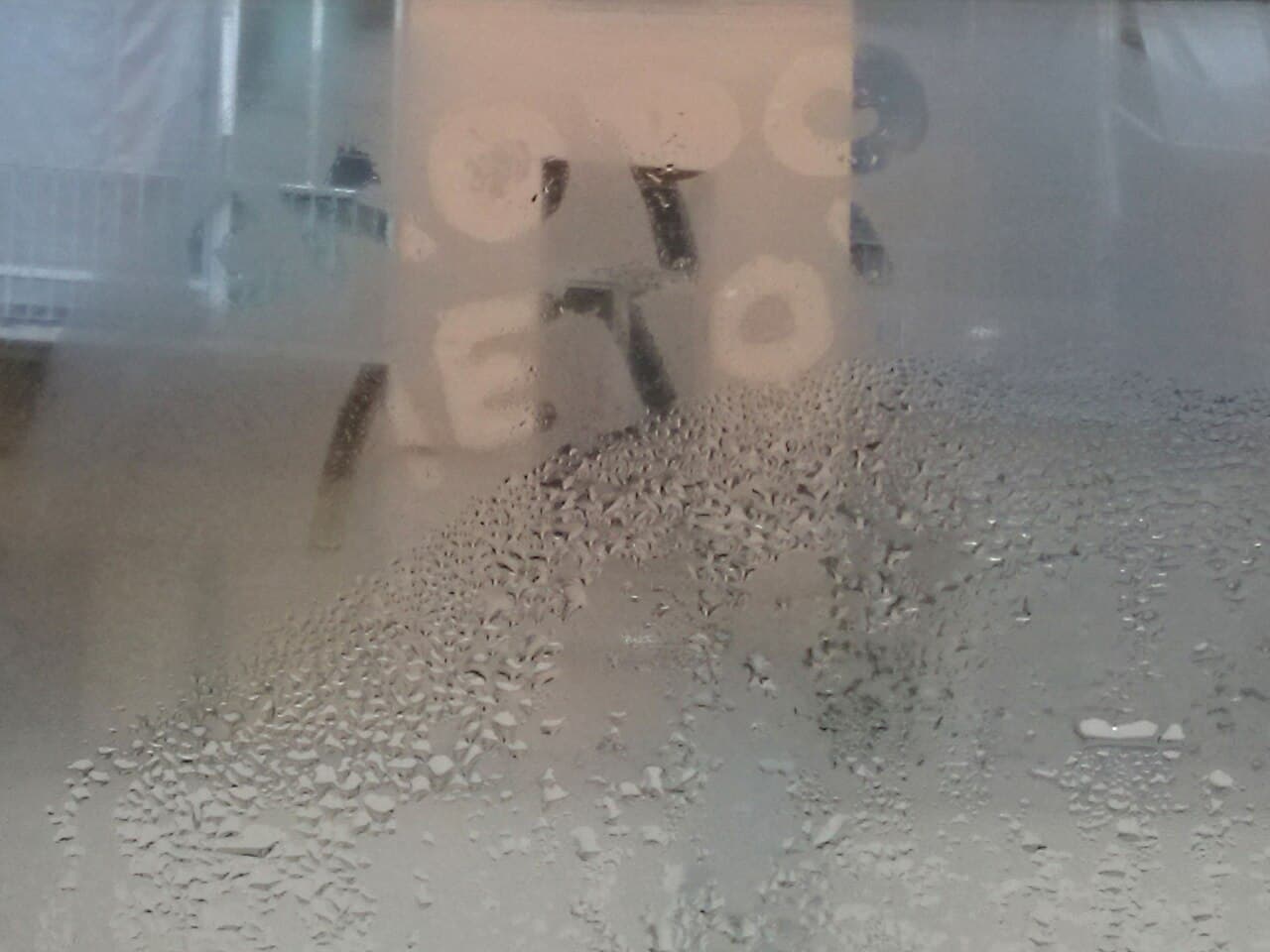
Condensation damp: how to identify and fix it
The most common cause in Portugal — and the one most often fixed without building work.
Open tool →Rising damp: signs, causes and treatments
A band up to 1 metre, efflorescence and falling plaster. How to confirm it before paying thousands.
Open tool →
Water ingress: how to find out where the water comes from
Roof, terrace, window frames, pipes or the upstairs neighbour — a method of elimination.
Open tool →Dew point and mould risk calculator
Enter the temperature and humidity and see at what temperature your walls get wet.
Open tool →Damp in older homes (built before 1990): what to expect
Around 70% of Portugal's housing stock was built before insulation rules. What's normal, what's a warning sign and where to start on a tight budget.
Full guide →Methodology: how our diagnosis works
The model's weights, formulas and limits, published in full.
Open tool →Efflorescence (salitre) on walls: what it is, where it comes from and how to treat it
The white powder that blisters paint and crumbles plaster is a sign of water passing through the wall. Find out where it comes from and why painting over it fails.
Full guide →Frequently asked questions
Often, yes. Look at where the stain is and when it gets worse. Condensation shows up in corners, behind furniture and around windows, and worsens on cold mornings. Rising damp forms a band at the base of the wall, often with salt deposits, and only in basements or on the ground floor. A hygrometer of about €10 helps confirm it, but mixed cases still need a technical visit.
No. The humidade.pt diagnosis combines 12 answers and calculates the probability of each hypothesis (condensation, rising damp or water ingress), with a separate flag for leaks. When the signs contradict each other, confidence is low and the result recommends a technical visit. It helps you arrive at the visit knowing what to ask, not skip on-site measurements.
Because causes add up. An old ground-floor flat can have rising damp at the base of the walls and, at the same time, condensation in the ceiling corners from poor ventilation. Treating only one leaves the other at work. That is why it pays to note where and when each stain appears, rather than assuming a single cause for the whole home.